
Revolutionizing Digital Entertainment: Key Future Trends in iGaming for 2025 and Beyond
The Next Frontier: How AI, Immersive Technologies, and Regulatory Evolution Are Reshaping the Future of Online Gambling
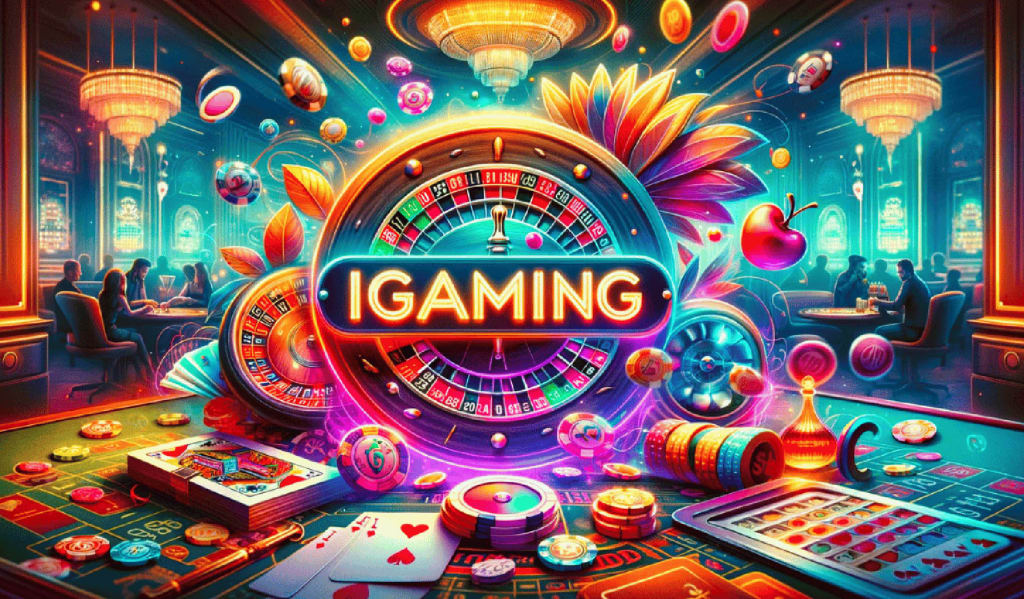
The iGaming industry continues its rapid evolution, transforming how people experience digital entertainment worldwide. As technology advances and regulatory landscapes shift, new possibilities emerge for players and operators alike. This article explores the cutting-edge developments shaping the future of online gaming and gambling, from immersive virtual reality experiences to blockchain integration and sustainable gaming practices. Understanding these emerging trends provides valuable insights into where this dynamic sector is headed in the coming years.
Technological Innovations Reshaping the iGaming Landscape
The digital gambling ecosystem is undergoing a profound transformation driven by technological breakthroughs. These innovations aren't merely enhancing existing experiences but fundamentally restructuring how players engage with iGaming platforms. From creating hyper-realistic casino environments to personalizing player journeys through sophisticated algorithms, technology is the primary catalyst for change in this rapidly evolving industry.
The pace of technological adoption has accelerated significantly since 2023, with major operators investing heavily in next-generation solutions that promise to deliver more immersive, secure, and personalized gaming experiences.
Virtual Reality and Augmented Reality Integration
Virtual Reality (VR) and Augmented Reality (AR) are transforming the iGaming experience by bridging the gap between digital and physical casino environments. VR technology enables players to step into meticulously crafted virtual casinos, interact with dealers and other players, and enjoy an unprecedented level of immersion.
Leading developers are creating VR poker rooms where players can read opponents' virtual "tells" and AR-enhanced slot experiences that overlay digital elements onto physical surroundings. As hardware becomes more affordable and comfortable, VR/AR adoption is projected to increase by 45% annually within the sector through 2027.
Artificial Intelligence and Machine Learning Applications
AI and machine learning are revolutionizing practically every aspect of the iGaming industry, from customer service to game design. These technologies enable operators to analyze vast amounts of player data to deliver hyper-personalized experiences, recommend relevant games, and optimize promotional offers based on individual preferences.
On the security front, AI-powered systems are becoming increasingly sophisticated at detecting fraudulent activities and identifying potential problem gambling behaviors before they escalate. Game developers are also leveraging AI to create adaptive gaming experiences that evolve based on player skill level and preferences.
Blockchain Technology and Cryptocurrency Adoption
Blockchain technology is fundamentally transforming the iGaming industry by addressing longstanding concerns around transparency, security, and transaction efficiency. Cryptocurrencies are gaining significant traction as payment methods, offering players enhanced privacy, reduced transaction fees, and faster withdrawals compared to traditional options.
Smart contracts built on blockchain platforms are enabling provably fair gaming systems that allow players to verify the integrity of game outcomes, effectively eliminating concerns about manipulated results. This unprecedented level of transparency is reshaping player trust in online gambling platforms.
NFTs and Digital Ownership in iGaming
Non-fungible tokens (NFTs) are creating entirely new possibilities for digital ownership within the iGaming ecosystem. According to recent research from https://legalpilot.com/what-is-igaming/, players can now truly own unique in-game assets, from special themed slot machine skins to exclusive tournament entry tokens. These digital collectibles often retain real-world value and can be traded on secondary markets.
Several forward-thinking casino operators have launched limited-edition NFT collections that provide holders with special privileges, including access to VIP tournaments, enhanced promotional offers, and exclusive gaming experiences.
Mobile Gaming Innovation and Cross-Platform Integration
Mobile platforms continue to dominate the iGaming landscape, with an increasing number of players preferring the convenience of smartphone and tablet gaming. The latest innovation wave focuses on creating seamless cross-platform experiences that allow players to transition effortlessly between desktop, mobile, and even VR environments without disrupting their gaming journey.
5G Technology Impact on iGaming
The widespread deployment of 5G networks is creating unprecedented opportunities for iGaming innovation. This ultra-fast, low-latency connectivity enables more sophisticated gaming experiences that were previously impossible on mobile devices.
Key benefits of 5G for the iGaming industry include:
- Near-zero latency for live dealer games
- Enhanced multiplayer functionality
- Higher quality streaming and graphics
- Seamless AR/VR implementation on mobile devices
These improvements are particularly significant for live casino offerings, where even minor delays can disrupt the immersive experience.
Regulatory Evolution and Responsible Gaming Initiatives

The regulatory landscape for iGaming continues to evolve globally, with more jurisdictions establishing frameworks that legitimize online gambling while ensuring consumer protection. This trend toward regulation rather than prohibition is creating larger, more stable markets while raising standards for responsible gaming practices.
Modern regulations increasingly focus on data protection, fair play verification, and mandatory responsible gaming tools. Progressive operators are going beyond compliance to implement comprehensive player protection systems.
AI-Powered Responsible Gaming Tools
Artificial intelligence is enabling a new generation of responsible gaming tools that can identify potentially problematic gambling patterns before they develop into serious issues. These systems analyze behavioral indicators including deposit frequency, session length, chase losses, and engagement with responsible gaming information.
Gamification and Social Features
Gamification elements continue transforming traditional casino games by incorporating progression systems, achievements, and competitive leaderboards that appeal to younger demographics. These features extend play value beyond the immediate gambling experience, creating deeper engagement and community connections.
Skill-Based Gaming and Competitive Elements
The line between traditional gambling and competitive gaming continues to blur as more skill-based elements enter the iGaming space. This evolution addresses the preferences of younger players who value demonstrable skill and strategic thinking over pure chance.
Popular formats in the skill-based iGaming segment include:
- Poker tournaments with esports-style production
- Skill-influenced slot machines with bonus rounds requiring player decisions
- Fantasy sports with direct player-vs-player competition
- Hybrid casino games combining chance and skill elements
- Competitive betting markets on personal performance metrics
About the Creator
cyan8269
<a href="https://legalpilot.com/tobique/">https://legalpilot.com/tobique/</a>
[url=https://play.google.com/store/apps/details?id=com.gametreeapp]Google Play[/url]
[test](https://coin-volcano.org/)
Enjoyed the story? Support the Creator.
Subscribe for free to receive all their stories in your feed.
Comments
There are no comments for this story
Be the first to respond and start the conversation.