
Retail Store Transformation That Stands the Test of Time
All about retail store transformation

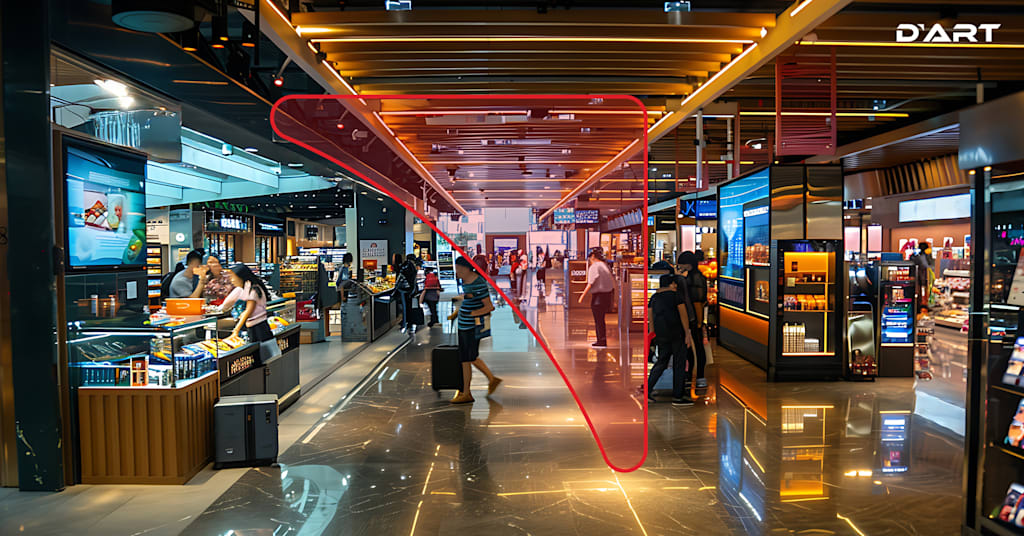
Five years back, what felt fresh today feels cold. Most changes in stores collapse like old tents. Not because they lack ideas but because they chase attention instead of endurance. Stroll into a shop once called cutting edge. Spot the glossy white stands - sterile now, almost hospital-like. Frozen in time, the touchscreens flicker with old code beneath their surface. Picture-perfect corners lit just right for social media - crafted, not caught. Back then, none of it seemed wrong. Driven by what was popular, not foresight, each choice followed a pulse, not a plan.
Failing isn't about missing trends. Retail stumbles by shaping itself too tightly around them. Build a plan on today’s fad, and the whole thing crumples faster. Shiny digital upgrades? They look outdated before long. When looks change fast, store makeovers built only for visuals start to fade. Flashy temporary fixes? Often confused with real planning - while thoughtful shop updates land in spaces that never got set up to support them.
Start anywhere. This idea does not need fanfare. Change in retail must bend without breaking, grow without failing, handle stress without cracking. It is about staying steady, not standing out.
Most Retail Store Changes Don't Last Long
Before leases renew, most upgrades already seem old. One cause ties to how buildings go together. Another hides in slow decision chains. A third lives where budgets meet timelines. The fourth? It pops up when plans ignore real user habits.
Chasing trends often shapes how products come together. Teams spot what’s making noise and build backward from it. But attention fades fast - what seems sharp in presentations can feel stale by launch time. Eighteen months later, that edge is gone. Freshness wears off quicker than expected. Lasting things do not need to lack excitement. What matters is knowing what sticks around after the trend fades.
Hardware often outlives its usefulness long before it stops working. What seems cutting-edge today becomes trapped by outdated connections tomorrow - locked into systems that refuse to talk with anything new. Vendors vanish or shift direction while installations remain frozen in place. Devices stay plugged in even after they've stopped making sense operationally. Most setups ignore what happens after launch, assuming tools will just keep fitting where they were first placed. Upgrades fail because original designs never made room for change. Equipment accumulates like inherited office décor nobody knows how to replace.
The New Framework for Retail That Adapts Over Time
Building lasting retail change means standing on parts that truly notice shifts. A foundation matters only when it moves with what comes next.
A store built in pieces grows over time instead of staying stuck. Flexibility in fixtures isn’t optional - it’s basic. Scaling the layout must feel natural, almost effortless. Changing locations - malls, city sidewalks, smaller towns - shouldn’t mean starting from zero every single time. Upgrading tech on the fly? Way more crucial than most realize. Starting fresh isn’t always needed when upgrades fit into what’s already there. One change at a time keeps everything running while still moving forward. A company opening many locations picks a base setup everyone uses. Yet each place adjusts slightly to match its surroundings. Speed remains high because core pieces stay the same everywhere.
Far beneath the surface, tech slips into the walls like plumbing. One system gathers it all, ditching scattered tools once and for all. Stock levels adjust before shelves scream empty or buckle under excess. Sales records breathe straight into service logs, moment by moment. The old dream of seamless shopping across channels now just hums quietly, expected, unnoticed. Far from just filling walls with displays, change in this space grows from systems that learn while they work. Smarter choices emerge over time because the operation itself sharpens its own thinking.
What Retail Needs Now
Ten years ahead won’t favor shops stuck playing catch-up. Right now, people assume smooth experiences across channels. This pressure grows stronger every year. Speed in using data decides winners, though few companies are ready. Eco-responsibility moves beyond choice into must-follow rules, arriving quicker than supply chains adapt. Physical locations turn into calculated tools instead of places to make sales, reshaping choices on where they go, what shape they take, and why they exist.
Staying ahead means getting ready before things shift. When changes hit, waiting to respond puts you late in the game.
The Role of Strategic Retail Partners
Outside help often makes the difference. Not just any team, but one fluent in modularity when shaping store layouts. Think of a marketing partner focused on structures, not short-term pushes. Picture support from a tech-savvy vendor who sees connections across platforms instead of single-point fixes.
One wrong turn? Vendor overload. Picture each helper fine-tuning only their corner while ignoring everything else - suddenly, old walls return. Progress means seeing the full web. These players must move together, like parts of one machine, not lone guards holding patches of turf.
Building Stores That Last Over Time
One reason some shops last? They skip the shiny distractions. Instead, they grow roots, strong backends, room to stretch, thinking ahead. Ten years down the line, it will show. Not the flashiest wins. Those quiet ones do. Systems that bend instead of snap, that makes the difference.
Change-ready stores will win the 2030s. Those chasing trends? Left behind.
About the Creator
D'Art Design
D’Art Design is a leading global retail design agency. We integrate tactic to provide outstanding experiences, through brand communication and activation, brand design, promotion, and interior design.
Enjoyed the story? Support the Creator.
Subscribe for free to receive all their stories in your feed.
Comments
There are no comments for this story
Be the first to respond and start the conversation.