
Residential vs. Commercial Demolition: What’s the Difference?
Demolition
When it comes to demolition projects, whether residential or commercial, the process, challenges, and regulations can vary significantly. While both involve the removal of structures, residential and commercial demolitions serve different purposes, require different expertise, and follow different procedures. Understanding the key differences between residential and commercial demolition can help you better prepare for your project, ensuring it's completed safely, efficiently, and within budget. In this article, we’ll explore the distinctions between these two types of demolition, highlighting the unique considerations for each.
Key Differences Between Residential and Commercial Demolition
While both residential and commercial demolition aim to clear a site for redevelopment or renovation, the scope, scale, and requirements can differ greatly. Here are the key differences:
Scale and Scope of the Project
Residential demolition typically involves smaller structures like single-family homes or small apartment buildings. These projects are often quicker and more straightforward due to the simpler architecture and smaller size. In contrast, commercial demolition may involve large office buildings, warehouses, or shopping centers, which can require more complex planning and longer timelines. The size of the structure impacts not only the time it takes to complete the project but also the resources needed to execute it.
Regulations and Permits
The regulatory environment for demolition projects can differ significantly depending on whether the project is residential or commercial. Residential demolitions often require fewer permits and may have less stringent regulations, though local building codes and environmental concerns, such as the presence of asbestos, still need to be addressed. Commercial demolitions, on the other hand, typically involve more extensive paperwork and regulatory approvals. This includes additional safety considerations, environmental concerns, and compliance with zoning laws, especially in urban areas.
Safety and Equipment
Commercial demolition projects often require specialized equipment and heavier machinery, such as cranes, excavators, and wrecking balls. The larger scale of the work and the often more complex structures mean that advanced equipment is needed for effective demolition. Residential demolitions usually involve lighter machinery, such as skid-steer loaders and smaller excavators, as the structures are generally less complex. Safety is also a higher concern on commercial sites due to the scale of the project and the potential for more significant hazards.
Time and Cost
The size and complexity of commercial demolitions generally lead to longer timelines and higher costs compared to residential demolitions. Larger structures may take several weeks or even months to tear down, while residential demolitions can often be completed in a matter of days. The cost of commercial demolition also includes factors like the need for specialized equipment, higher labor costs, and possibly more complex site remediation.
Site Preparation and Cleanup
Both types of demolition require thorough site preparation and cleanup, but commercial demolition typically involves more intensive processes due to the larger scale of the debris and the need to clear more extensive land areas. In addition, commercial projects may involve the removal of hazardous materials, such as lead or asbestos, which adds an additional layer of complexity and cost.
Understanding these differences is crucial for anyone considering a demolition project, whether residential or commercial. Proper planning and hiring the right professionals can ensure the project proceeds smoothly, meeting both budget and safety requirements.
Choosing the Right Demolition Contractor for Your Project
Selecting the right contractor is crucial for the success of both residential and commercial demolition projects. However, the qualifications and expertise required may differ depending on the scale and complexity of the job. Here’s what to consider when choosing a demolition contractor for your project:
Experience with Residential or Commercial Projects
The first step in choosing a contractor is ensuring they have experience with the type of demolition you require. Residential demolition often involves simpler, smaller-scale projects, while commercial demolition demands contractors with experience handling larger, more complex structures. Make sure the contractor has successfully completed similar projects in the past, and ask for references or examples of previous work.
Licensing and Insurance
Whether you’re undertaking a residential or commercial demolition, ensure that the contractor is fully licensed and insured. Demolition work is inherently risky, and having proper insurance protects you from liability in case of accidents or property damage. Ask to see proof of general liability insurance and workers' compensation coverage. Verify that the contractor has the appropriate licenses for your area, as requirements can vary by location.
Knowledge of Local Regulations and Permits
Navigating the regulatory requirements for demolition can be a complex process. A contractor experienced in either residential or commercial demolition will be well-versed in local laws, zoning regulations, and permit requirements. They should assist in obtaining all necessary permits and ensure the project adheres to local building codes and environmental standards. Ask the contractor how they handle these steps to ensure a smooth process.
Demolition Methods and Equipment
Different demolition projects require different methods and equipment. Residential demolitions often use methods like mechanical demolition or hand demolition for smaller, less complex structures. Commercial demolitions may involve techniques such as deconstruction, implosion, or hydraulic breaking, depending on the size and structure of the building. Ask the contractor about their equipment, and make sure they have access to the machinery and technology necessary for your specific project.
Safety Record and Protocols
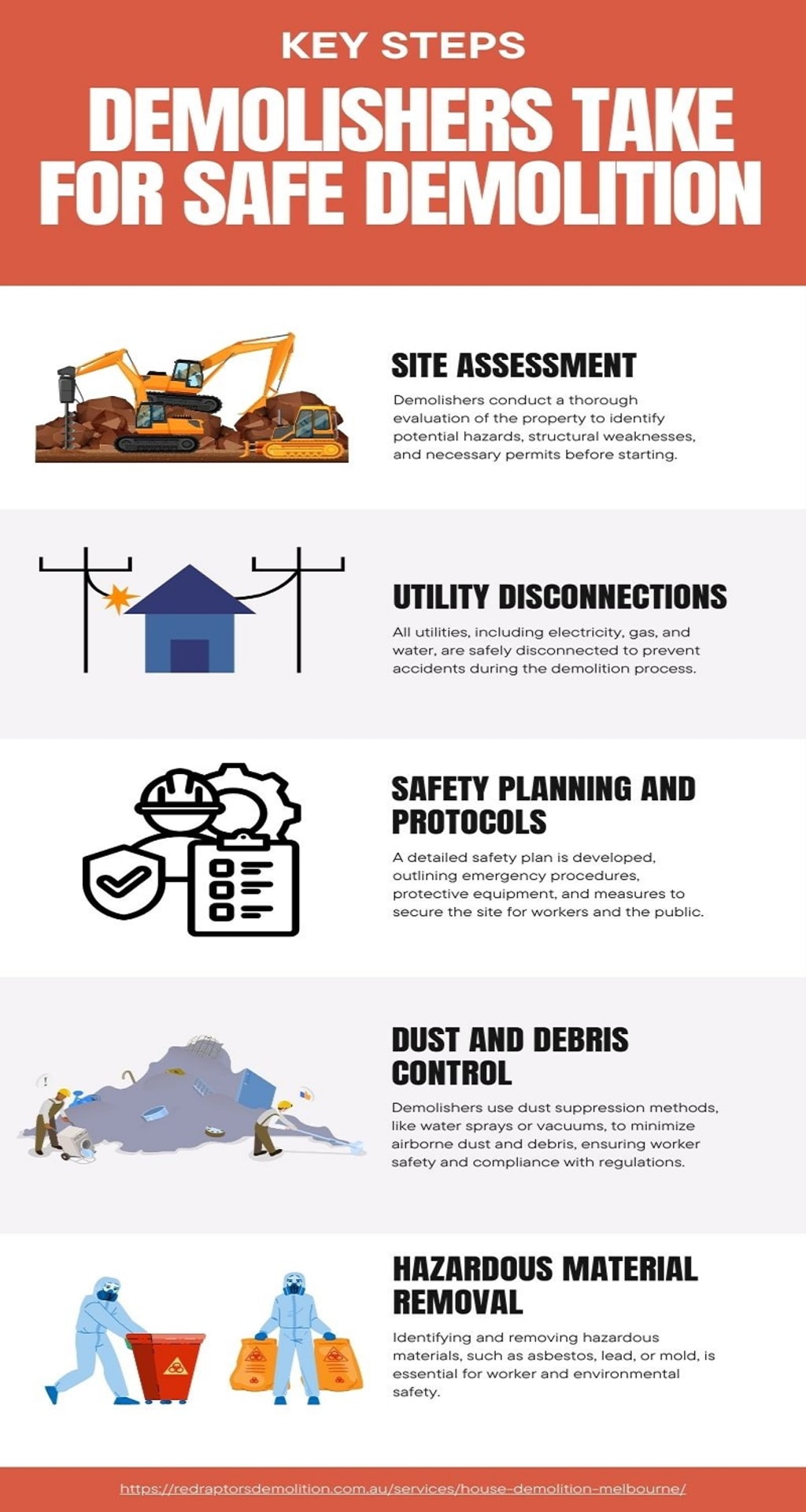
Safety is a priority for any demolition project, but it is especially critical in commercial demolitions, where the scale of the work poses greater risks. Inquire about the contractor’s safety protocols and whether they follow industry best practices. A reputable contractor will have a detailed safety plan in place, including risk assessments, safety training, and accident prevention measures. Review their past safety record and ask if they have a history of completing projects without significant incidents.
Cost Estimates and Transparency
Demolition projects can range widely in cost depending on their size and complexity. It’s important to get a detailed estimate before work begins, and ensure that the contractor is transparent about costs. For commercial demolitions, costs may include specialized equipment, labor, disposal fees, and environmental assessments. Residential demolitions, while typically less expensive, can also vary based on location, the type of materials to be disposed of, and any special considerations like hazardous material removal. A reliable contractor will provide a written estimate and be clear about what’s included in the price.
Environmental Responsibility
Both residential and commercial demolitions can generate significant waste. Environmental responsibility is an important consideration for modern demolition contractors. Ask if the contractor has experience in eco-friendly demolition practices, such as recycling materials, salvaging reusable elements, and disposing of hazardous materials properly. Contractors who prioritize sustainability will help reduce the environmental impact of the demolition process.
Choosing the right contractor for your demolition project ensures that your project will be completed on time, within budget, and to the highest standards of safety and efficiency. Whether you’re demolishing a small home or a large commercial building, having a skilled and reliable team in place is essential to the success of your project.
FAQs
What’s the main difference between residential and commercial demolition?
Residential demolition typically involves smaller structures like houses or apartments and requires less complex procedures. Commercial demolition, on the other hand, is focused on larger buildings such as offices, warehouses, and shopping centers, which often require more advanced equipment and specialized techniques.
Do residential demolitions take longer than commercial demolitions?
Generally, residential demolitions take less time because they involve smaller structures and fewer complexities. Commercial demolitions are more time-consuming due to the size of the building, potential environmental concerns, and the need for specialized machinery.
What type of equipment is used for residential demolition?
Residential demolition usually requires lighter equipment such as excavators, bulldozers, and skid-steer loaders, depending on the size of the structure. These machines are typically sufficient to handle smaller, less complex buildings.
Are there different permits needed for residential and commercial demolition?
Yes, residential and commercial demolitions have different permit requirements. Commercial demolitions often require more extensive paperwork and regulatory approvals due to the larger scale of the project, while residential demolitions may have simpler permit processes.
How do demolition contractors ensure safety during these projects?
Safety protocols are crucial for both types of demolition. For residential demolitions, contractors ensure proper handling of equipment and safety measures for workers and surrounding areas. In commercial demolition, additional safety protocols are necessary due to the scale of the project, such as site barricades, traffic management, and advanced equipment handling.
Can I recycle materials from a commercial demolition?
Yes, recycling is possible for both residential and commercial demolitions. In fact, commercial demolitions often involve higher levels of material recovery due to the larger amounts of scrap materials. Many demolition companies aim to recycle materials like steel, concrete, and wood to reduce environmental impact.
About the Creator
Enjoyed the story? Support the Creator.
Subscribe for free to receive all their stories in your feed.
Comments
There are no comments for this story
Be the first to respond and start the conversation.