
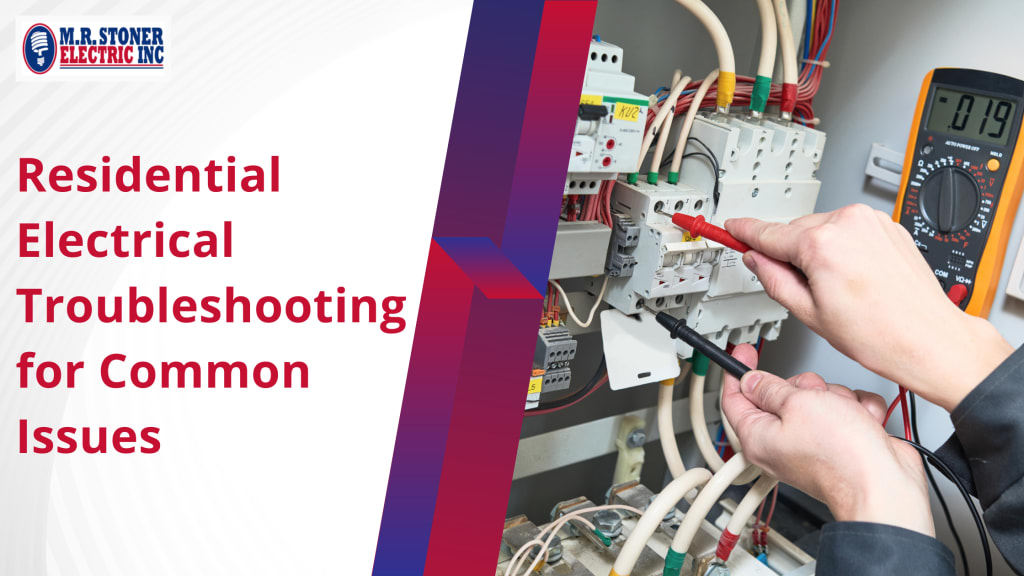
Residential Electrical Troubleshooting for Common Issues
Identify and fix common home electrical problems with expert tips from a residential electrician. Stay safe, efficient, and up to code.

Introduction:
Electrical problems in your home can be more than just annoying, they can be dangerous. From flickering lights to dead outlets, these issues may seem small, but often point to serious underlying problems. That is why hiring a qualified residential electrician is not just smart, it is essential for your safety.
Let us look at some of the most common residential electrical issues, what causes them, and when you need professional help.
8 Electrical Problems in Your Home - Here’s What to Do
Flickering or Dimming Lights
Flickering or dimming lights might seem like a small annoyance, but they often signal deeper electrical problems in your home. Whether it’s happening to one light or several, it’s something that shouldn’t be ignored.
Signs:
- Lights flicker occasionally or constantly
- Lights dim when appliances are turned on
- Bulbs burn out faster than expected
Possible Causes:
- Loose light bulbs
- Faulty light switches
- Overloaded circuits
- Loose or aging wiring connections
Solution:
- Check and tighten the light bulb
- Replace the bulb to rule out a simple fix
- If multiple lights flicker, turn off the power and call an expert
If lights dim when large appliances like a microwave or vacuum are used, this could mean overloaded circuits or wiring issues. Contact a licensed technician from a trusted Sanford Electric Company to assess the situation safely.
Circuit Breaker Tripping Repeatedly
Your circuit breaker is designed to protect your home. If it trips repeatedly, it’s warning you that something is wrong.
Signs:
- Power loss in one or more areas of the home
- Clicking sound from the breaker panel
- Breaker switch flips to the “off” position
Possible Causes:
- Too many devices on one circuit
- Short circuits or ground faults
- Faulty or aging appliances
- Damaged wiring
Solution:
- Unplug unnecessary devices
- Reset the breaker once
- Avoid forcing the breaker back on if it keeps tripping
Frequent breaker tripping can mean your system isn’t handling the load correctly. A certified Electrical Repair Service should inspect your system to make sure everything is safe and up to code.
Dead Outlets or Switches
Outlets or switches that suddenly stop working may seem harmless, but they can be a symptom of more serious electrical issues behind the walls.
Signs:
- No power when plugging in a device
- Switch does not control the light or fan
- Discoloration or warmth around the outlet
Possible Causes:
- Tripped GFCI outlet or breaker
- Loose wires inside the outlet box
- Worn-out components
- Internal damage or corrosion
Solution:
- Check and reset nearby GFCI outlets
- Plug in a different device to rule out appliance issues
- Avoid using outlets that are warm or discolored
If the outlet feels hot, smells burnt, or shows signs of melting, call professionals immediately to prevent potential fire hazards.
High Electricity Bills
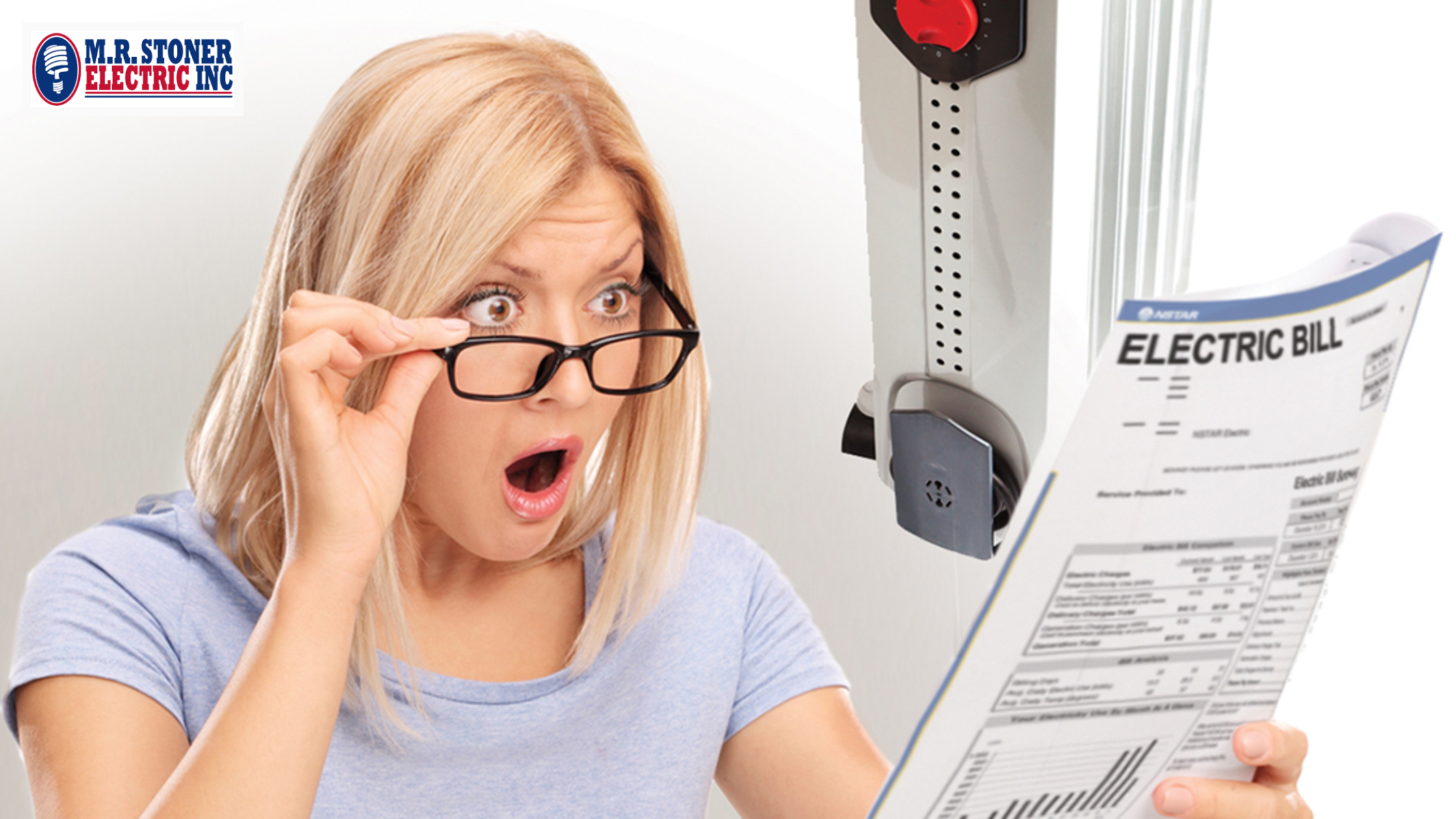
If your electricity bill has jumped for no clear reason, your home’s electrical system might be to blame.
Signs:
- Unusual spikes in your monthly utility bill
- Lights or appliances running less efficiently
- Humming or buzzing noises from outlets or panels
Possible Causes:
- Inefficient or outdated appliances
- Phantom power from always-plugged-in devices
- Damaged or leaking wiring
- Faulty meter or inaccurate billing
Solution:
- Unplug unused electronics
- Switch to energy-efficient bulbs and appliances
- Check for warm spots or buzzing from panels
Buzzing Sounds or Burning Smells
Unusual sounds or smells from electrical components should never be ignored. They’re clear warning signs of danger.
Signs:
- Buzzing or crackling sounds from outlets or panels
- Burning smell near switches or appliances
- Lights flickering with a strange noise
Possible Causes:
- Overheated wires or connections
- Loose or frayed wiring
- Arcing (electricity jumping across gaps)
Solution:
- Immediately shut off power at the breaker
- Keep the area clear and avoid using the outlet
- Do not try to fix this on your own
Outdated Electrical Panels
Older homes often have electrical panels that can’t keep up with modern energy demands. This can be a major safety issue.
Signs:
- Frequent breaker tripping
- Use of fuses instead of circuit breakers
- No available slots for new breakers
- Panel looks rusted or outdated
Possible Causes:
- Old, undersized panel
- Worn components
- Incompatible wiring with today’s appliances
Solution:
- Upgrade to a modern panel with enough amperage for your home’s needs
- Install surge protection as part of the update
Only a certified electrical repair service should handle a panel upgrade. It’s not a DIY job and must be done according to safety codes.
Light Bulbs Burning Out Too Quickly
If you’re replacing bulbs more often than usual, it could be a warning sign that something is wrong with your fixtures or wiring.
Signs:
- Bulbs burn out within days or weeks
- Flickering before failing
- Bulbs feel extremely hot to the touch
Possible Causes:
- Bulbs with incorrect wattage
- Poor ventilation in the fixture
- Loose connections
- High voltage in the circuit
Solution:
- Use the correct wattage for each fixture
- Make sure fixtures have proper airflow
- Avoid using old bulbs with worn bases
If the problem continues even with the right bulbs, have an electrician test for voltage spikes or fixture issues.
GFCI Outlets Keep Tripping
GFCI outlets are designed to protect you from shocks in wet areas, but constant tripping could mean a bigger issue.
Signs:
- Outlet resets and trips again immediately
- No power to nearby outlets
- Occasional buzzing sound
Possible Causes:
- Ground faults or short circuits
- Moisture inside the outlet
- Faulty or aging GFCI unit
- Problem with a connected device
Solution:
- Press the reset button
- Dry the area and unplug appliances
- Test with another device to isolate the problem
Safety Tips for Homeowners
While some minor electrical issues can be handled with care, it’s always best to call a licensed electrician for anything more serious. Here are some quick safety reminders:
- Never try to fix wiring yourself if you’re unsure.
- Don’t ignore burning smells or buzzing sounds.
- Avoid overloading outlets with too many devices.
- Keep water away from outlets and cords.
- Always hire professionals for upgrades or major repairs.
What a Professional Residential Electrician Can Do
A trusted and certified electrical repair service provider offers a wide range of solutions for homeowners, including:
- Electrical inspections and diagnostics
- Outlet, switch, and panel upgrades
- Rewiring old systems
- Surge protection installation
- Emergency electrical services
Their trained team uses specialized tools like multimeters, circuit testers, and thermal cameras to detect hidden problems. You can count on them for quick, reliable service that puts your family’s safety first.
Stay Safe With Help From a Trusted Residential Electrician
Your home’s electrical system is key to both safety and comfort. Recognizing early warning signs, like flickering lights, tripping breakers, or burning smells, can help prevent serious issues down the line.
When problems arise, do not wait. Contact a trusted residential Sanford electric company that can assess and fix the issue safely and efficiently.
Remember, electricity is not something to take chances with. When in doubt, call a professional and stay safe.
About the Creator
Lucas Jackson
I’m work as an electrician at M.R. Stoner Electric, a Sanford electric company! There’s nothing more satisfying than solving electrical issues and keeping homes and businesses powered safely.
Enjoyed the story? Support the Creator.
Subscribe for free to receive all their stories in your feed.
Comments
There are no comments for this story
Be the first to respond and start the conversation.