
Renovating Without the Eyesore
Managing construction waste in high-density urban environments

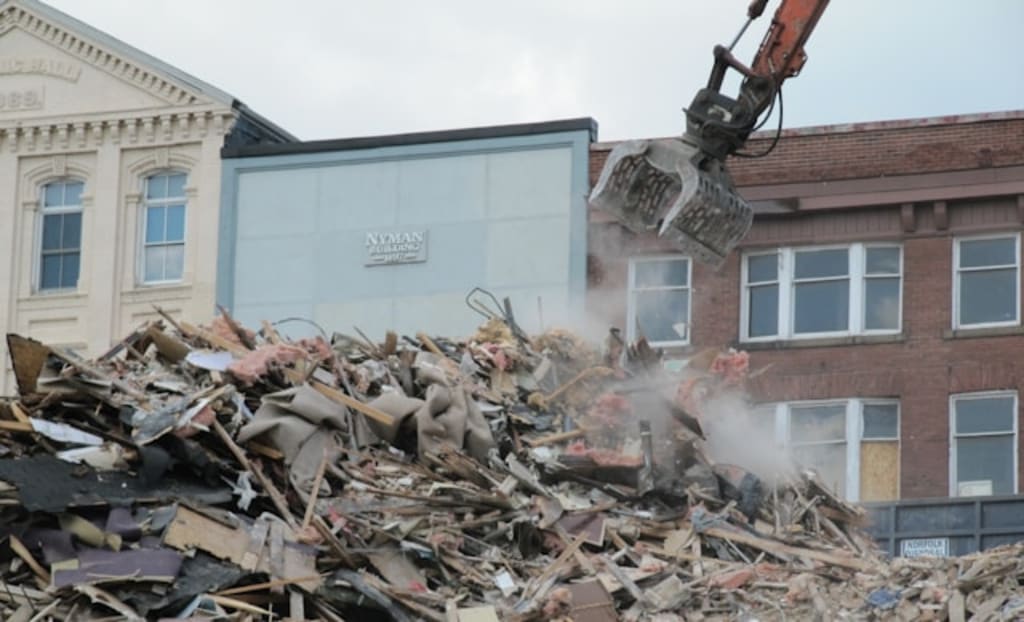
As New Zealand cities shift toward high-density housing, townhouse developments, and subdivided sections, the traditional residential footprint has shrunk dramatically. While this density helps manage urban growth in major hubs like Auckland and Wellington, it creates a massive logistical challenge when it comes time for property maintenance and renovations: where does the waste go?
When a property has a shared driveway or sits on a main road with zero street parking, standard waste disposal methods become highly impractical. Managing a renovation cleanup in these tight spaces requires a strategy that avoids blocking accessways, incurring council penalties, or causing neighborhood disputes.
The Spatial Challenges of Modern Urban Sections
Traditional residential waste management relies on heavy gantry trucks that require wide turning circles and significant overhead clearance to drop off and retrieve rigid steel bins. On modern, constrained properties, this logistical model introduces several distinct complications:
- Accessway Blockages: Leaving a rigid metal container in a communal driveway blocks vehicle access for neighbors, creating immediate friction and safety concerns.
- Permit Regulations: Placing large disposal containers on a public road or footpath usually requires a council permit, which adds administrative delays and extra costs to a project budget.
- Property Damage Risks: Heavy steel structures can scratch decorative concrete, crack asphalt, or permanently damage lawns due to the concentration of weight on a rigid frame.
Shifting to Flexible, Low-Impact Alternatives
To bypass these spatial constraints, architects and project managers are increasingly looking toward modular and flexible alternatives. Heavy-duty, woven fabric bags offer an adaptable solution that can be integrated into tight site layouts where traditional bins simply cannot fit.
These systems address urban constraints through a few distinct design advantages:
1. Minimal Footprint
Because fabric bags are flexible, they can be tucked into narrow side-paths, placed behind fences, or kept inside a garage during the demolition phase. They occupy only the space of the waste itself, leaving driveways completely clear for daily residential use.
2. Distributed Weight
High-tensile fabric bags distribute weight more evenly across a surface than rigid steel feet. This significantly reduces the risk of cracking underlying pavement or damaging expensive landscaping.
3. Crane-Arm Accessibility
The primary advantage of modern fabric bag systems is how they are collected. Rather than requiring a large truck to back down a driveway, specialized trucks use hydraulic crane arms (Hiabs) to lift the waste from a distance. As long as the bag sits within reach of the street or front boundary, the crane can simply hoist it over fences or obstacles.
Best Practices for Managing Waste on Tight Sites
If you are planning a renovation with limited spatial capacity, a few proactive steps can keep the site organized and compliant:
- Plan the Collection Point First: Before throwing any debris into a skip bin alternative bag, map out where the collection vehicle will park. Ensure the bag is placed within the operational reach of a standard crane arm.
- Implement Source Separation: High-density sites get cluttered quickly. Using multiple smaller collection points to separate timber, plasterboard, and concrete on-site keeps the workspace safer and allows for better recycling options at processing facilities.
- Protect the Perimeter: If waste must be stored near a boundary line, ensure it does not overflow or impact pedestrian pathways, maintaining good relations with both the council and neighbors.
Conclusion
Renovating a home in a modern urban environment requires adapting to the physical and social constraints of the section. As Aotearoa continues to embrace medium-to-high density living, the infrastructure supporting residential construction must evolve alongside it. The era of assuming a multi-tonne steel container can sit comfortably on a suburban curb is rapidly drawing to a close, replaced by a need for smarter, nimbler logistics.
By swapping out traditional, rigid infrastructure for highly adaptable, crane-lifted bag systems, property owners can complete their projects efficiently without compromising neighborhood access, local regulations, or property aesthetics. Ultimately, successful urban site management is about choosing methods that respect both the immediate environment and the community sharing it, ensuring that improving one home doesn't come at the expense of the streetscape.
About the Creator
Hasintha Weragala
Travel writer with a deep passion for Sri Lanka. I explore the island’s hidden gems, iconic destinations, and local culture — sharing stories, travel tips, and insights to help you experience Sri Lanka beyond the guidebook.
Enjoyed the story? Support the Creator.
Subscribe for free to receive all their stories in your feed.
Comments
There are no comments for this story
Be the first to respond and start the conversation.