
Regional Breakdown: Dark Chocolate Growth Patterns in MENA, Oceania, and Latin America
The dark chocolate market is projected to grow from US$ 52.3 Bn in 2025 to US$ 86.2 Bn by 2032, with a compound annual growth rate of 7.4% driving growth.
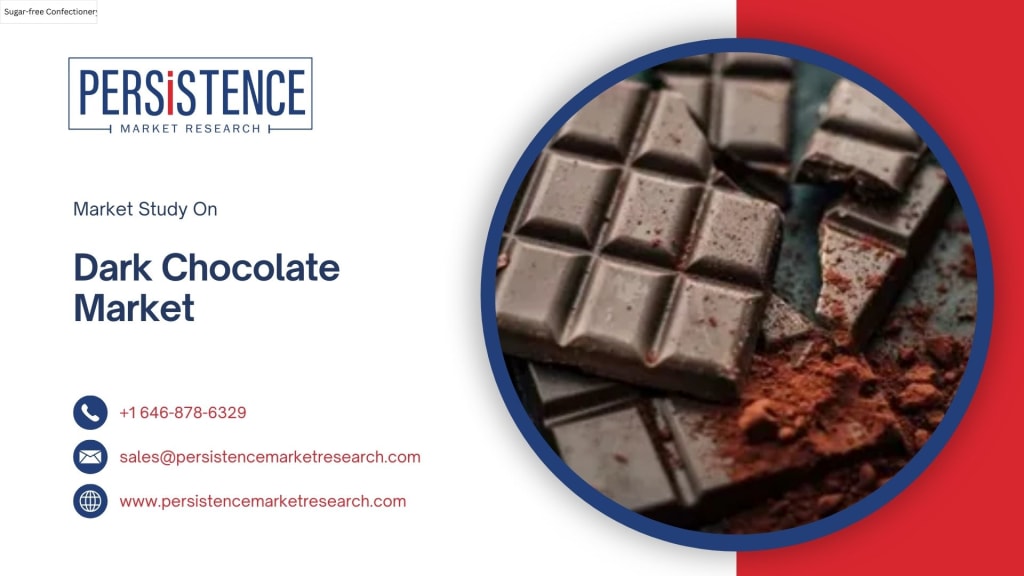
Dark chocolate’s appeal is growing worldwide, and the global market is expected to continue its upward trajectory. According to Persistence Market Research, the global dark chocolate market size is anticipated to reach a value of US$52.3 billion by 2025 and grow even further to US$86.2 billion by 2032, witnessing a compound annual growth rate (CAGR) of 7.4% from 2025 to 2032. While traditional markets in North America and Europe continue to see growth, emerging regions such as the Middle East and North Africa (MENA), Oceania, and Latin America are showing unique patterns of growth and opportunity.
This blog will dive deep into how these regions are contributing to the expansion of the dark chocolate market, focusing on the regional differences in demand, consumer preferences, and key growth drivers. From shifting consumer behaviors to emerging market dynamics, let’s explore the diverse growth patterns in these regions.
1. MENA (Middle East and North Africa): A Region of Growing Affluence and Premiumization
The Middle East and North Africa (MENA) region is increasingly becoming a hotbed for the growth of premium chocolates, including dark chocolate. The market is seeing a significant shift toward more sophisticated and healthier confectionery options, with consumers becoming more discerning about what they purchase. As disposable incomes rise across many MENA countries, particularly in the Gulf Cooperation Council (GCC) nations such as the UAE, Saudi Arabia, and Qatar, there is a growing demand for premium and luxury products, including dark chocolate.
Key Drivers in MENA:
Rising Affluence and Health Consciousness: As incomes rise, consumers in MENA are spending more on premium, high-quality food products. This trend is particularly evident in dark chocolate, where demand is increasing due to a growing awareness of the health benefits of dark chocolate, especially varieties that contain higher cocoa content. The antioxidants in dark chocolate, such as flavonoids, have gained traction among health-conscious consumers who are seeking indulgence with health benefits.
Premiumization Trend: As MENA countries experience rapid economic growth, there’s a rising demand for luxury goods, including high-end dark chocolate. Consumers are becoming more inclined to purchase premium chocolates made from ethically sourced cocoa. Brands offering single-origin dark chocolate or chocolates containing exotic ingredients like saffron or dates are becoming popular, catering to regional tastes and preferences.
Gift-Giving Culture: In many MENA countries, particularly in the Gulf region, the tradition of giving premium chocolates as gifts is thriving. As chocolate is seen as a luxury item, especially in festive seasons such as Ramadan or Eid, dark chocolate is becoming the preferred option for gifts, as it is viewed as a sophisticated and refined treat.
Market Outlook in MENA:
The dark chocolate market in MENA is poised for sustained growth, driven by rising affluence, increasing health consciousness, and a shift toward premium products. With consumer interest in ethical and sustainable sourcing, the demand for dark chocolate products with fair-trade certification and premium ingredients is set to grow significantly.
2. Oceania: A Steady Shift Toward Healthier, High-Quality Options
In Oceania, which includes countries like Australia and New Zealand, the dark chocolate market is experiencing steady growth. The region has a mature chocolate market, but there is a notable shift towards healthier and more sustainable options, particularly in Australia. As in other developed markets, Australian and New Zealand consumers are becoming increasingly health-conscious, and this is fueling the demand for dark chocolate.
Key Drivers in Oceania:
Health and Wellness Trends: The trend toward healthier living has been a key driver for the dark chocolate market in Oceania. Many consumers in Australia and New Zealand prefer dark chocolate over milk chocolate due to its lower sugar content and higher antioxidant levels. The growing awareness of the health benefits associated with dark chocolate, such as its ability to improve cardiovascular health, is influencing buying decisions.
Growing Popularity of Ethical Sourcing: As consumers in Oceania become more concerned about sustainability and ethical sourcing, there is an increasing demand for dark chocolate brands that emphasize fair trade practices and environmental responsibility. Eco-conscious consumers are choosing dark chocolate brands that use sustainably sourced cocoa and environmentally friendly packaging.
Premium and Organic Offerings: Consumers in Oceania are also drawn to premium offerings in the dark chocolate segment. Organic, artisanal, and single-origin dark chocolate products are gaining popularity as consumers seek high-quality, unique experiences. The region’s relatively small market size for chocolate allows for the growth of niche brands that cater to more specialized, discerning tastes.
Market Outlook in Oceania:
While the Oceania market for dark chocolate remains smaller than in other regions, the demand for premium and health-focused products is increasing. As consumers continue to prioritize sustainability and health, companies that can cater to these trends are well-positioned to grow within this region. Expect continued expansion in the market for artisanal, organic, and ethically sourced dark chocolate in Oceania.
3. Latin America: A Region with Both Heritage and Innovation
As the birthplace of cocoa, Latin America holds a unique place in the global dark chocolate market. Countries like Brazil, Mexico, and Ecuador not only produce high-quality cocoa but are also seeing a growing domestic demand for dark chocolate products. In recent years, Latin America has seen a surge in the consumption of high-quality dark chocolate as local consumers are becoming more educated about the health benefits and premium offerings available in the market.
Key Drivers in Latin America:
Cultural Significance of Chocolate: In Latin America, particularly in countries like Mexico and Ecuador, chocolate holds deep cultural significance. These nations have a long-standing history of cocoa cultivation and chocolate consumption. The growing demand for premium dark chocolate in the region is tied to both a renewed interest in the artisanal chocolate-making process and a cultural shift towards healthier indulgence.
Health-Consciousness and Wellness Trends: As in other parts of the world, health consciousness is becoming an increasingly important driver of the dark chocolate market in Latin America. Consumers are turning to dark chocolate as a healthier alternative to milk chocolate due to its higher antioxidant content, lower sugar levels, and potential health benefits. This is especially true in urban areas where wellness trends are gaining traction.
Emerging Middle Class and Changing Consumption Patterns: The expanding middle class in countries like Brazil and Mexico is contributing to the growth of the dark chocolate market. As disposable incomes rise, more consumers are able to afford premium products, including dark chocolate. This demographic shift has led to a growing appetite for high-quality chocolate and artisanal products. With rising awareness of the benefits of dark chocolate, there is an increasing demand for dark chocolate made from single-origin cocoa beans.
Market Outlook in Latin America:
Latin America presents both a strong local market and an important production hub for global chocolate companies. As the demand for high-quality, premium dark chocolate rises in Latin America, there is ample opportunity for local and international brands to expand. In particular, single-origin and artisanal dark chocolate made from locally sourced cocoa has a promising future, as consumers in the region become more interested in quality and provenance. Additionally, dark chocolate’s health benefits are being increasingly recognized, further boosting its popularity in this region.
Conclusion: A Growing Market with Regional Nuances
Dark chocolate sales are booming globally, and as Persistence Market Research projects, the global dark chocolate market is expected to reach US$52.3 billion by 2025, growing to US$86.2 billion by 2032, with a CAGR of 7.4% from 2025 to 2032. However, this global trend is not uniform; regional differences in consumer behavior, health trends, and economic conditions are shaping how dark chocolate is consumed and marketed.
In the MENA region, rising affluence and a shift toward premium products are driving the growth of the dark chocolate market, with a particular focus on health benefits and ethical sourcing. Oceania is seeing steady growth, with health-conscious consumers in Australia and New Zealand opting for dark chocolate products that align with their wellness goals, while Latin America, with its rich cocoa heritage, is witnessing a surge in demand for high-quality, locally sourced dark chocolate, fueled by the expanding middle class and increasing health awareness.
As the dark chocolate market continues to grow and diversify, companies that understand the unique preferences of each region will be best positioned to succeed. Whether it’s through offering ethically sourced products, tapping into wellness trends, or catering to the growing demand for premium chocolate, these regions represent key opportunities for growth in the global dark chocolate market.
About the Creator
Aishwarya nagur
Blogger exploring trends in the Chemical & Material industry, IT & Telecommunications, Automation, and Transportation. I simplify complex topics into insightful content to inform, inspire, and spark innovation across industries.
Enjoyed the story? Support the Creator.
Subscribe for free to receive all their stories in your feed.
Comments
There are no comments for this story
Be the first to respond and start the conversation.