
Refrigerator Testing Laboratory
Best Lab Testing Companies
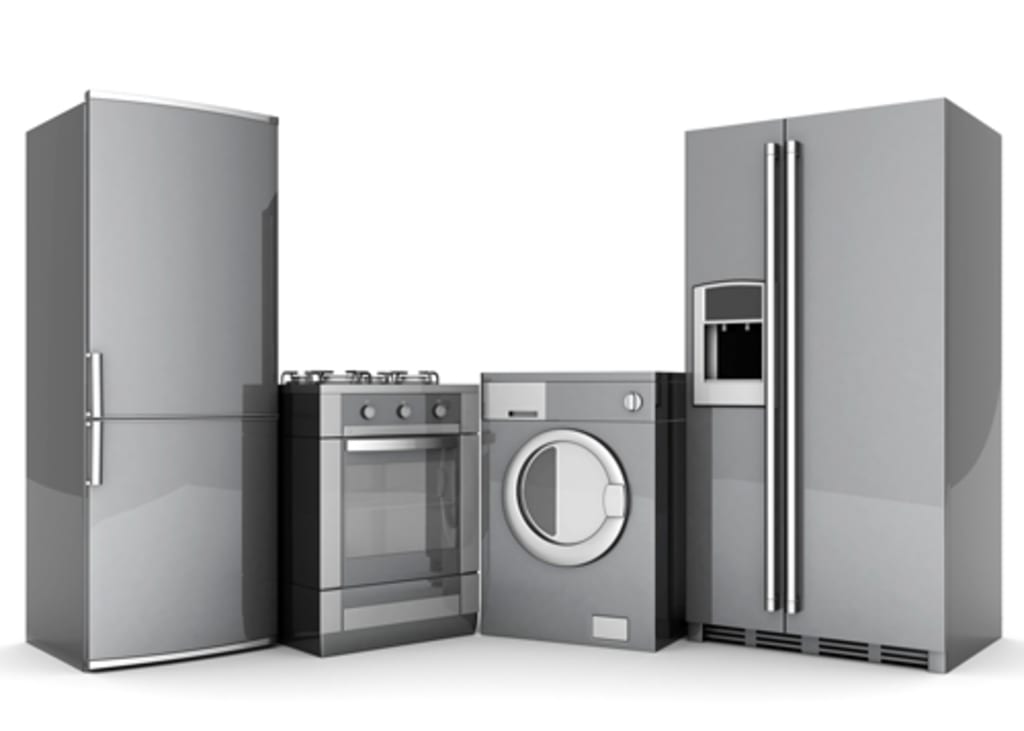
A refrigerator testing laboratory is a facility where refrigerators undergo various tests to ensure their safety, performance, and compliance with regulations and industry standards. These tests may include:
Temperature and cooling performance testing: This involves testing the refrigerator's ability to maintain a consistent temperature and cooling performance under varying conditions, such as different room temperatures and different levels of food load.
Energy consumption testing: This involves measuring the refrigerator's energy consumption and efficiency to ensure it meets industry standards and is energy-efficient.
Durability and reliability testing: This involves subjecting the refrigerator to various tests, such as vibration testing and drop testing, to ensure it can withstand regular use and abuse over time.
Electrical safety testing: This involves checking the electrical components and connections of the refrigerator to ensure they meet safety standards and do not pose a risk of electrocution or fire.
Noise and vibration testing: This involves measuring the noise level and vibration produced by the refrigerator during operation to ensure it meets industry standards for acceptable noise levels and vibration.
Environmental testing: This involves testing the refrigerator's environmental impact, such as its energy consumption and carbon footprint, to ensure it meets regulatory standards.
Storage and capacity testing: This involves testing the refrigerator's ability to maintain a consistent temperature and cooling performance under different levels of food load and storage conditions.
Defrosting performance testing: This involves testing the effectiveness and efficiency of the refrigerator's defrosting system.
Freezing performance testing: This involves testing the refrigerator's ability to maintain a consistent temperature and freezing performance in the freezer compartment.
Humidity control testing: This involves testing the refrigerator's ability to control the humidity level inside the refrigerator to prevent food spoilage and extend the shelf life of perishable items.
User safety testing: This involves testing the refrigerator's safety features, such as its door lock mechanism and child safety locks, to ensure it does not pose a risk of injury to users.
Water and ice dispenser testing: This involves testing the effectiveness and safety of the refrigerator's water and ice dispensing system.
In addition to evaluating the performance of the refrigerator itself, a testing laboratory may also evaluate the effectiveness of different types of food storage containers when used with the refrigerator. This involves testing the ability of different types of containers, such as plastic and glass, to maintain the freshness and quality of food items over time.
Furthermore, testing labs may also evaluate the environmental impact of refrigerators, including their energy consumption and carbon footprint. This information can be used to help manufacturers develop more sustainable and energy-efficient refrigerators, as well as to inform consumers about the environmental impact of their appliance choices.
A testing laboratory may also evaluate the usability and user-friendliness of refrigerators. This involves testing the ease of use of the controls, the accessibility of the storage compartments, and the overall convenience of the refrigerator. This information can be used to help manufacturers improve the design of their refrigerators and make them more user-friendly.
Finally, a testing laboratory may also conduct comparative testing of different brands and models of refrigerators. This involves testing multiple refrigerators side-by-side to evaluate their performance, energy efficiency, and overall value for the consumer.
Overall, a refrigerator testing laboratory is an important component of the manufacturing process, providing valuable information to manufacturers and consumers alike about the safety, performance, and sustainability of refrigerators and food storage containers.
Another important area of testing in a refrigerator testing laboratory is the safety of the refrigerator, particularly in regards to its cooling system. This involves testing the safety of the refrigerant used in the cooling system and ensuring that it does not pose a risk to human health or the environment. It also involves evaluating the safety of the various components in the cooling system, such as the compressor and condenser, to ensure that they operate safely and do not pose a risk of fire or other hazards.
In addition to safety, a testing laboratory may also evaluate the performance of various features of the refrigerator, such as the built-in water and ice dispenser, smart home integration, and other convenience features. This can help manufacturers identify areas where they can improve the overall user experience of the refrigerator.
Furthermore, a testing laboratory may also evaluate the impact of environmental factors on the performance of the refrigerator. This includes testing the refrigerator's ability to maintain a consistent temperature and cooling performance in hot and humid environments, as well as in areas with frequent power outages or voltage fluctuations.
Finally, a testing laboratory may also conduct long-term durability testing on refrigerators, to evaluate their performance and reliability over time. This can help manufacturers identify potential issues with their products and make improvements to ensure that their refrigerators last as long as possible.
Overall, a refrigerator testing laboratory is a vital part of the development and manufacturing process for refrigerators. By conducting a range of tests, manufacturers can ensure that their products are safe, reliable, and perform well under a variety of conditions. This can help to build consumer confidence in their products and improve overall customer satisfaction.
And more information : Refrigerator testing laboratory | Best Refrigerator testing laboratory
About the Creator
Enjoyed the story? Support the Creator.
Subscribe for free to receive all their stories in your feed.
Comments
There are no comments for this story
Be the first to respond and start the conversation.