
RBA Holds Steady at 4.35%, Warns of Possible Hike If Inflation Rebounds
Australia's central bank leaves rates unchanged for a second straight meeting, but keeps the door open for further tightening if upside risks to inflation materialize.

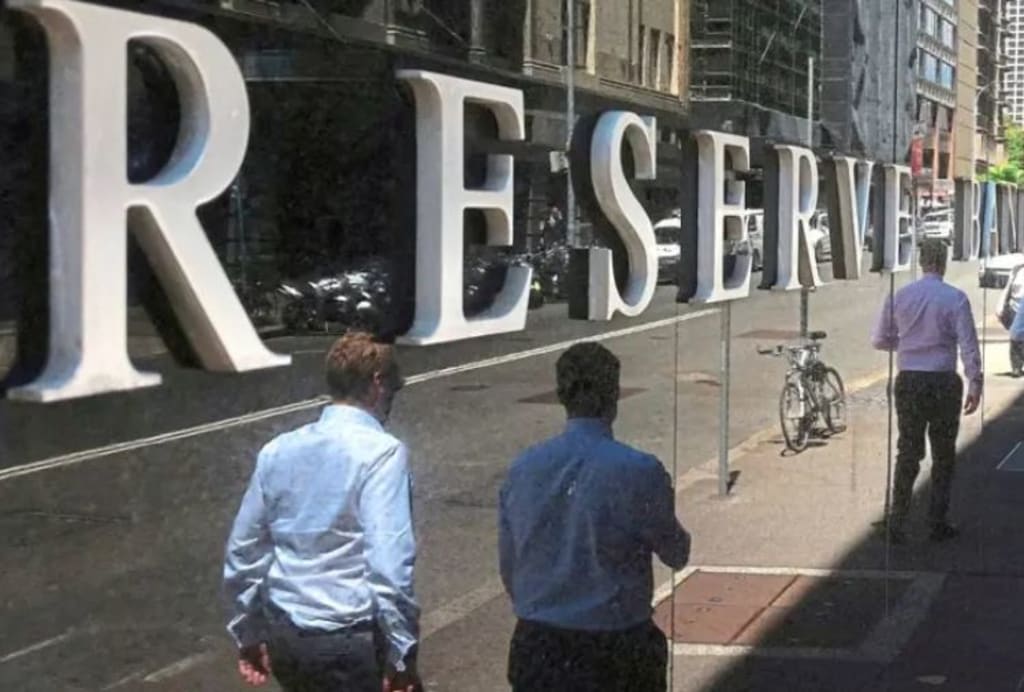
Australia's central bank held its cash rate steady at 4.35% for a second straight meeting on Tuesday, saying the economy was slowing as expected, but warned it might hike again if needed to control inflation.
Wrapping up its August policy meeting, the Reserve Bank of Australia (RBA) said it would do what was necessary to bring inflation back to its 2% to 3% target band, including increasing the cash rate target further if upside risks materialise. The unanimous decision was largely as expected by markets, which had wagered on a steady outcome given inflation data had come in under forecasts in the second quarter, while the housing market had weakened more than policymakers had anticipated.
"The Board remains focused on ensuring that high inflation does not become embedded," policymakers said in a statement. "To achieve this, growth in aggregate demand needs to remain subdued to reduce capacity pressures and bring inflation back to target."
The Rate Hike Cycle So Far
The RBA has already raised rates by 75 basis points this year to fully reverse the amount of policy easing from 2025 as it struggled to contain stubborn inflationary pressures in the economy driven by surging energy costs. It judged the current cash rate to be slightly restrictive, but has yet to rule out further policy tightening. Governor Michele Bullock said last month that a further slowdown in the economy may be required to bring inflation down.
The rate hikes have been a response to persistent inflationary pressures that have proven more resilient than policymakers initially anticipated. While global supply chain disruptions have eased, domestic factors including rising energy costs, a tight labour market, and strong consumer demand have kept inflation elevated above the RBA's target band.
Market Reaction and Expectations
The Australian dollar was flat at $0.7055 following the decision, while three-year government bond yields reversed an earlier rise to be flat at 4.55%. Swaps imply around a 40% chance of another rate increase this year, down from 50% before the decision.
Capital Economics economist Abhijit Surya noted that while the board "continued to talk tough on inflation, we don't believe that it will go as far as to hike rates again this cycle." "Assuming the Bank keeps policy at its current restrictive setting, capacity pressures should eventually ease in earnest," he added.
Other economists have offered more cautious assessments. Some argue that the RBA's hawkish rhetoric is partly designed to prevent financial markets from pricing in premature rate cuts, which could undermine the central bank's efforts to bring inflation under control. Others point to the risks of overtightening, noting that the full impact of previous rate hikes has yet to be felt across the economy.
Housing Market Slowdown
Higher borrowing costs brought a record boom in the housing market to an abrupt end, with tumbling auction clearance rates, a plunge in loan applications and a slump in sales signalling tough conditions ahead. The housing market, which had been a key driver of household wealth and consumer spending during the post-pandemic recovery, is now showing clear signs of strain.
Auction clearance rates in Sydney and Melbourne have fallen sharply from their peaks, while loan applications have dropped as higher interest rates reduce borrowing capacity. Property prices in some areas have begun to decline, though the scale of the correction remains modest compared to previous housing downturns.
The slowdown has particular implications for younger Australians and first-home buyers, who face higher borrowing costs and stricter lending conditions. However, policymakers may view the housing market cooling as a necessary adjustment to bring demand and supply into better balance.
Consumer Spending Stays Resilient
However, consumer spending stayed solid, the labour market kept churning out more jobs, and the recent re-escalation of the Middle East conflict kept policymakers wary of pass-throughs from higher oil prices to other parts of the economy.
Retail sales data have shown resilience, with consumers continuing to spend despite higher interest rates. The strength of the labour market with unemployment remaining near historic lows has supported household incomes and spending. However, there are signs that consumers are becoming more cautious, with discretionary spending moderating as households adjust to higher borrowing costs.
The Middle East conflict has added a new layer of uncertainty to the inflation outlook. Oil prices have risen in response to geopolitical tensions, and if sustained, could feed through to higher transport costs and broader inflationary pressures. The RBA has signalled that it is monitoring these developments closely.
Inflation Surprises to the Downside
The closely watched second-quarter inflation data surprised on the downside, giving the RBA room to hold fire this month. The data showed that inflationary pressures are moderating faster than anticipated, though they remain above the target band.
The RBA now expects inflation to move back into the target band in the second half of next year. Consumer price inflation is projected to ease to 3.6% by the end of the year and to 2.6% by the end of 2027. This forecast reflects an expectation that the combination of restrictive monetary policy, moderating demand, and easing supply constraints will gradually bring inflation down.
However, the central bank has emphasised that the path back to target is not assured. Upside risks remain, including the possibility of further energy price shocks, persistent wage pressures, or renewed supply chain disruptions.
Policy Trade-Offs and Risks
The RBA's decision highlights the difficult trade-offs facing policymakers. Raising rates further could help bring inflation down faster but risks exacerbating the housing downturn and pushing the economy into recession. Holding steady preserves some flexibility but leaves the central bank vulnerable to criticism if inflation proves more persistent than expected.
The central bank's communication strategy reflects this balancing act. By maintaining a hawkish bias while keeping rates on hold, the RBA is attempting to manage inflation expectations without imposing unnecessary pain on the economy.
The RBA's decision to hold rates steady at 4.35% reflects a cautious approach to monetary policy in an uncertain economic environment. While the central bank has signalled that it is prepared to hike rates further if needed, markets and economists are increasingly betting that the current tightening cycle has reached its peak.
For households and businesses, the message is one of cautious optimism: the worst of the rate hikes may be behind us, but the path back to the RBA's inflation target remains long and uncertain. As Governor Bullock has made clear, a further slowdown in the economy may be required to bring inflation down a reality that will continue to shape Australia's economic landscape in the months ahead.
About the Creator
Mark Lim
Hi I am mark an automotive student and a car, tech and food enthusiast ! Im gonna try and post daily & hope you enjoy what I write and do share my page with people you know. I would gladly appreciate it! Cheers
Enjoyed the story? Support the Creator.
Subscribe for free to receive all their stories in your feed.
Comments
There are no comments for this story
Be the first to respond and start the conversation.