
Randall Randy Konsker Explains How Data-Driven Decisions Transform Farms
Randall Randy Konsker on How Data-Driven Farming Boosts Yields, Cuts Costs, and Ensures Sustainability for a Smarter Agricultural Future.

Farmers must adopt data-driven decision-making in the quickly changing agricultural landscape of today in order to maintain their competitiveness and boost productivity. Randall Randy Konsker, a renowned expert in agricultural consulting, highlights how leveraging data can revolutionize farming operations. By utilizing cutting-edge technology, precision analytics, and innovative strategies, farmers can optimize yields, reduce costs, and ensure sustainability.
The Role of Data in Agriculture
Traditionally, farming was largely dependent on experience, intuition, and seasonal patterns. However, with the rise of technology, data has become the backbone of agricultural decision-making. Farmers now have access to real-time data on soil health, weather conditions, crop growth, and pest management, enabling them to make informed choices that maximize productivity.
Randall Randy Konsker emphasizes that modern farms utilizing data analytics can achieve significant improvements in efficiency, profitability, and sustainability. From small family farms to large-scale agricultural enterprises, data-driven farming is shaping the future of the industry.
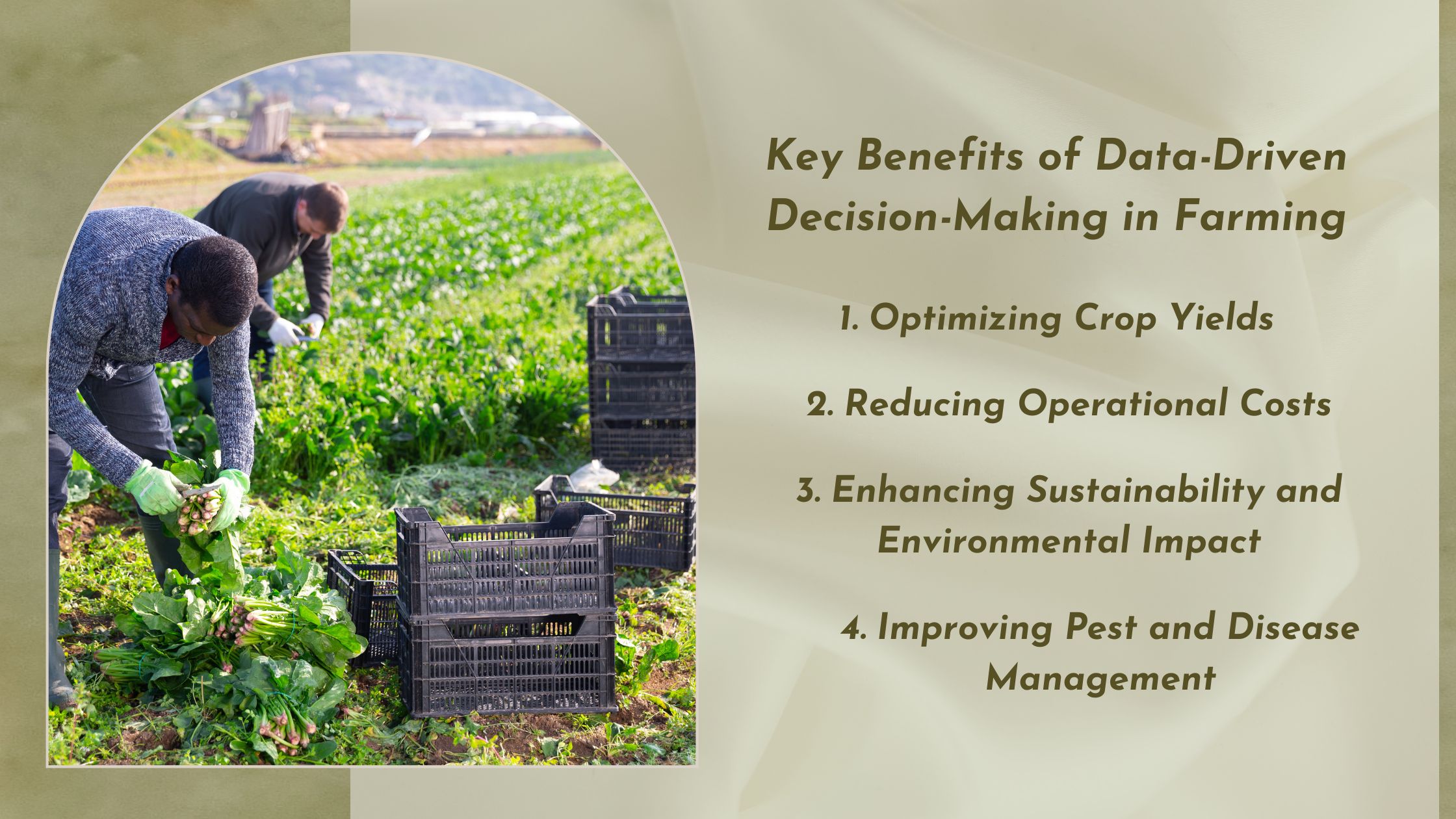
Key Benefits of Data-Driven Decision-Making in Farming
1. Optimizing Crop Yields
Data analytics allows farmers to monitor soil conditions, nutrient levels, and moisture content with precision. With advanced tools like satellite imagery and sensors, farmers can make timely decisions about planting, fertilization, and irrigation. This ensures optimal growth conditions, leading to higher yields and better-quality produce.
2. Reducing Operational Costs
One of the biggest challenges in farming is managing costs while maintaining productivity. With data-driven strategies, farmers can accurately track resource usage and minimize waste. Precision farming techniques, such as variable rate application (VRA) of fertilizers and pesticides, help reduce excess application, leading to significant cost savings.
3. Enhancing Sustainability and Environmental Impact
Sustainability is a top priority for modern agriculture. By analyzing environmental data, farmers can implement eco-friendly practices that reduce water usage, decrease chemical runoff, and promote soil conservation. Randall Randy Konsker highlights that adopting sustainable farming practices not only benefits the environment but also enhances farm profitability in the long run.
4. Improving Pest and Disease Management
Pests and diseases can devastate crops if not managed effectively. Data-driven farming allows early detection of pest infestations through predictive analytics. By using integrated pest management (IPM) techniques and real-time monitoring, farmers can take proactive measures to control outbreaks and protect their crops.
The Role of Technology in Data-Driven Farming
Randall Randy Konsker underscores the importance of integrating technology with traditional farming practices. Here are some key technological advancements driving data-driven agriculture:
Internet of Things (IoT) Sensors: These devices collect real-time data on soil moisture, temperature, and humidity, enabling farmers to make precise adjustments.
Drones and Satellite Imaging: Aerial surveillance provides insights into crop health, allowing farmers to detect issues before they become major problems.
Artificial Intelligence (AI) and Machine Learning: AI-powered tools analyze vast amounts of data to provide actionable recommendations on planting schedules, resource allocation, and yield optimization.
Farm Management Software: Digital platforms help farmers track data, manage resources, and make informed decisions with ease.
Real-World Success Stories
Randall Randy Konsker shares several success stories of farmers who have embraced data-driven strategies to transform their operations:
Case Study 1: A Midwest Corn Farmer
A corn farmer in the Midwest implemented precision agriculture techniques using AI-driven soil analysis. By optimizing fertilizer application based on data insights, the farmer increased yields by 20% while reducing costs by 15%.
Case Study 2: A Vineyard in California
A vineyard owner utilized IoT sensors to monitor soil moisture levels, leading to better water management. As a result, the vineyard saw a 30% reduction in water usage while maintaining high grape quality.
Case Study 3: A Dairy Farm in Texas
A dairy farm integrated data analytics into its feeding regimen, ensuring optimal nutrition for livestock. This led to healthier cows, increased milk production, and improved profitability.
Overcoming Challenges in Data Adoption
While data-driven farming offers numerous benefits, some farmers face challenges in adopting new technologies. These include:
Initial Investment Costs: Advanced technology requires upfront investment, which may be a barrier for small-scale farmers.
Technical Knowledge: Farmers need proper training to interpret data and utilize digital tools effectively.
Data Management: Handling large volumes of data can be overwhelming without the right software solutions.
Randall Randy Konsker advises farmers to start small by implementing one or two data-driven practices before scaling up. He also suggests seeking guidance from agricultural consultants to maximize the benefits of data analytics.
The Future of Data-Driven Farming
The agricultural industry is poised for even greater advancements in data-driven farming. With innovations such as blockchain for supply chain transparency, AI-powered predictive analytics, and automated farming equipment, the future looks promising.
Randall Randy Konsker believes that embracing data is not just an option but a necessity for farmers who want to thrive in the modern agricultural era. By leveraging technology and analytics, farms can achieve sustainable growth, increased profitability, and long-term success.
Conclusion: Embracing Data for a Brighter Agricultural Future
Data-driven decision-making is transforming the farming industry, offering unparalleled opportunities for growth and efficiency. Randall Randy Konsker encourages farmers to adopt these innovative strategies to stay competitive and ensure a sustainable future for agriculture. With the right tools and insights, farms can flourish like never before, paving the way for a smarter and more resilient agricultural landscape.
About the Creator
Enjoyed the story? Support the Creator.
Subscribe for free to receive all their stories in your feed.
Comments
There are no comments for this story
Be the first to respond and start the conversation.