
Rafael Achacoso Shares How to Take Control of Your Mental Health Today!
Mental health is just as important as physical health, and it’s never too late to start taking care of yourself.


Taking control of your mental health is one of the most important steps you can take toward leading a happier, healthier life. In today’s busy world, it’s easy to forget about taking care of ourselves mentally. We’re constantly juggling work, family, and responsibilities, but prioritizing mental health is essential for living a balanced and fulfilling life. Rafael Achacoso, a Psychiatric Nurse Practitioner, shares simple and practical tips on how to take charge of your mental health and start feeling better today.
1. Acknowledge That Mental Health Matters
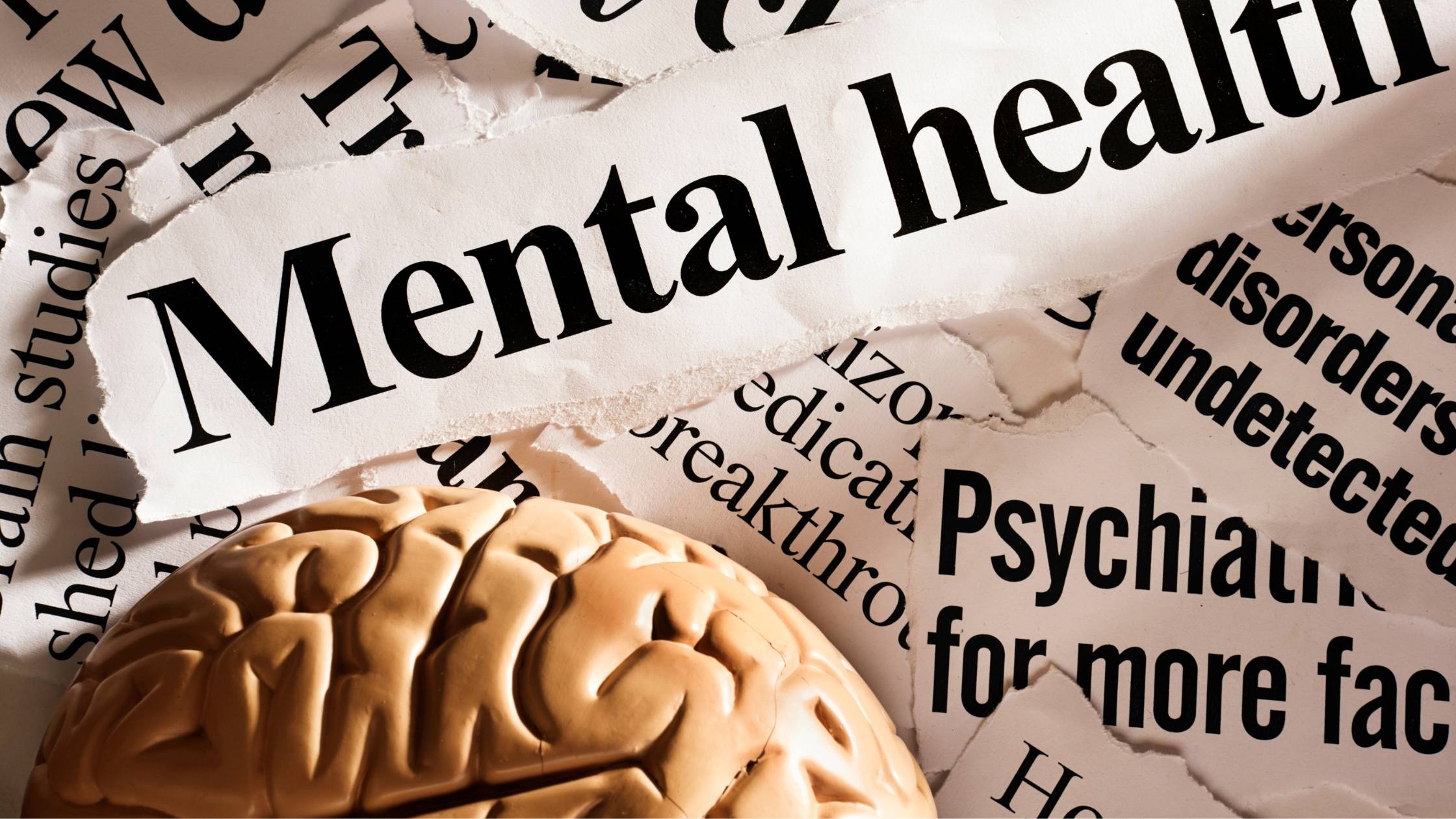
The first step to improving your mental health is understanding how important it is. Just like our bodies need care to stay healthy, our minds do too. Mental health affects everything in your life—how you think, feel, and react to situations. When you neglect it, it can show up in many ways, like feeling overwhelmed, sad, anxious, or exhausted. By taking care of your mental health, you are setting yourself up for a better quality of life.
2. Know That It's Okay to Ask for Help

Asking for help is not a sign of weakness but a sign of strength. If you are struggling with your mental health, don’t hesitate to reach out for support. Talking to a therapist, psychiatrist, or even a close friend can help you work through tough times. You don’t have to go through it alone. Mental health professionals are trained to help you navigate through difficult emotions and offer strategies to manage them.
3. Take Small Steps Every Day

Improving mental health doesn’t happen overnight, but small changes can make a big difference. Start by focusing on taking small steps every day. This could be something as simple as taking a few minutes each morning to practice deep breathing, going for a walk to clear your mind, or setting aside time for activities that make you happy. Setting realistic goals and building habits that promote mental well-being, such as eating healthy, staying active, and getting enough sleep.
4. Practice Self-Compassion
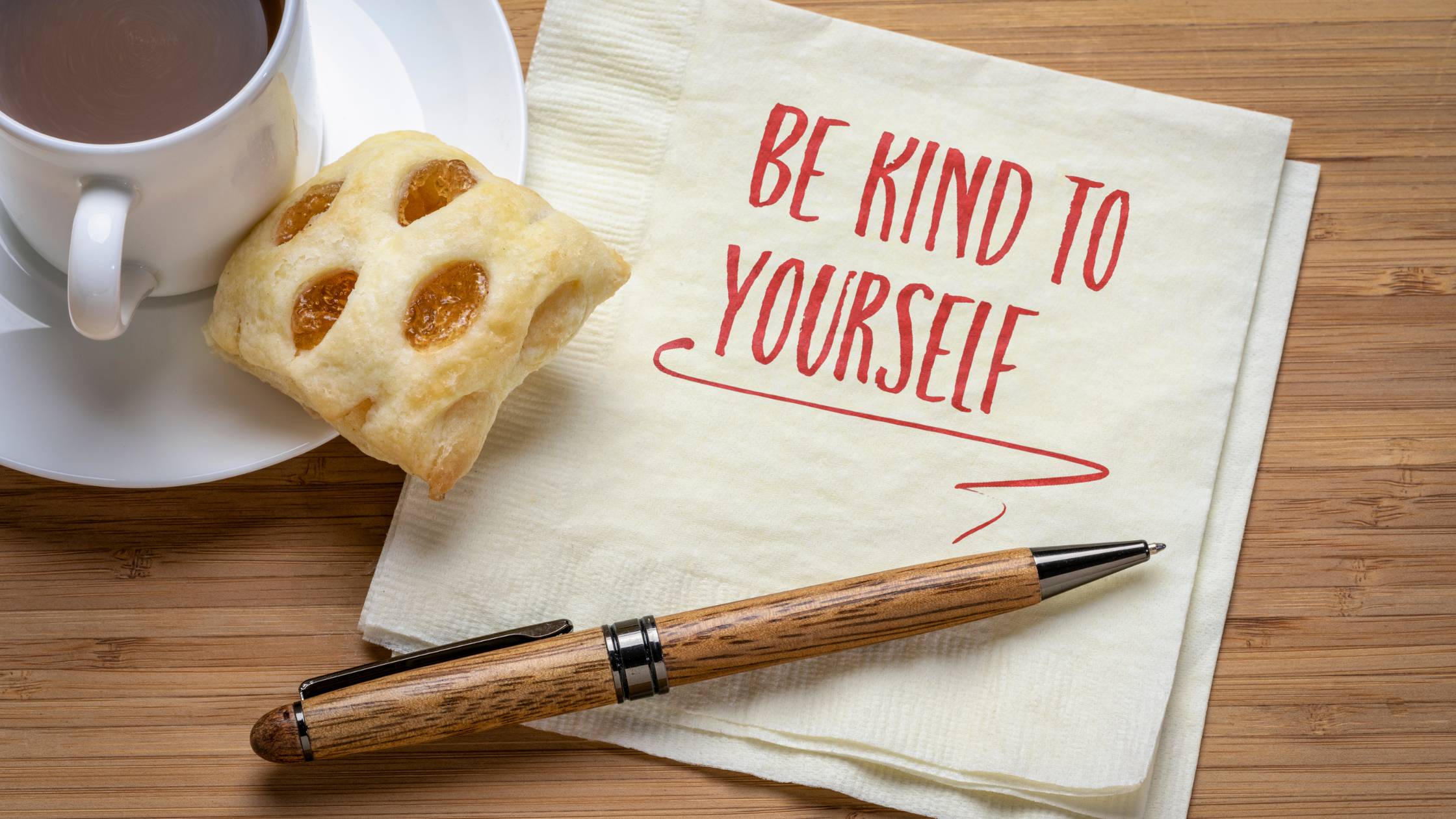
Many people are their own toughest critics. If you’ve been hard on yourself for not doing enough or feeling stressed out, it’s important to be kinder to yourself. Self-compassion means treating yourself with the same kindness and understanding that you would offer a friend. Instead of criticizing yourself for mistakes or shortcomings, acknowledge that everyone has challenges and setbacks. By practicing self-compassion, you build resilience and encourage a healthier, more positive mindset.
5. Connect with Others

Social connections are crucial for mental health. Spending time with friends and family, or being part of a community, helps reduce feelings of loneliness and stress. Connecting with others allows you to share your experiences, express your feelings, and feel supported. It’s important to surround yourself with positive, uplifting people who care about your well-being.
6. Manage Stress with Healthy Coping Strategies
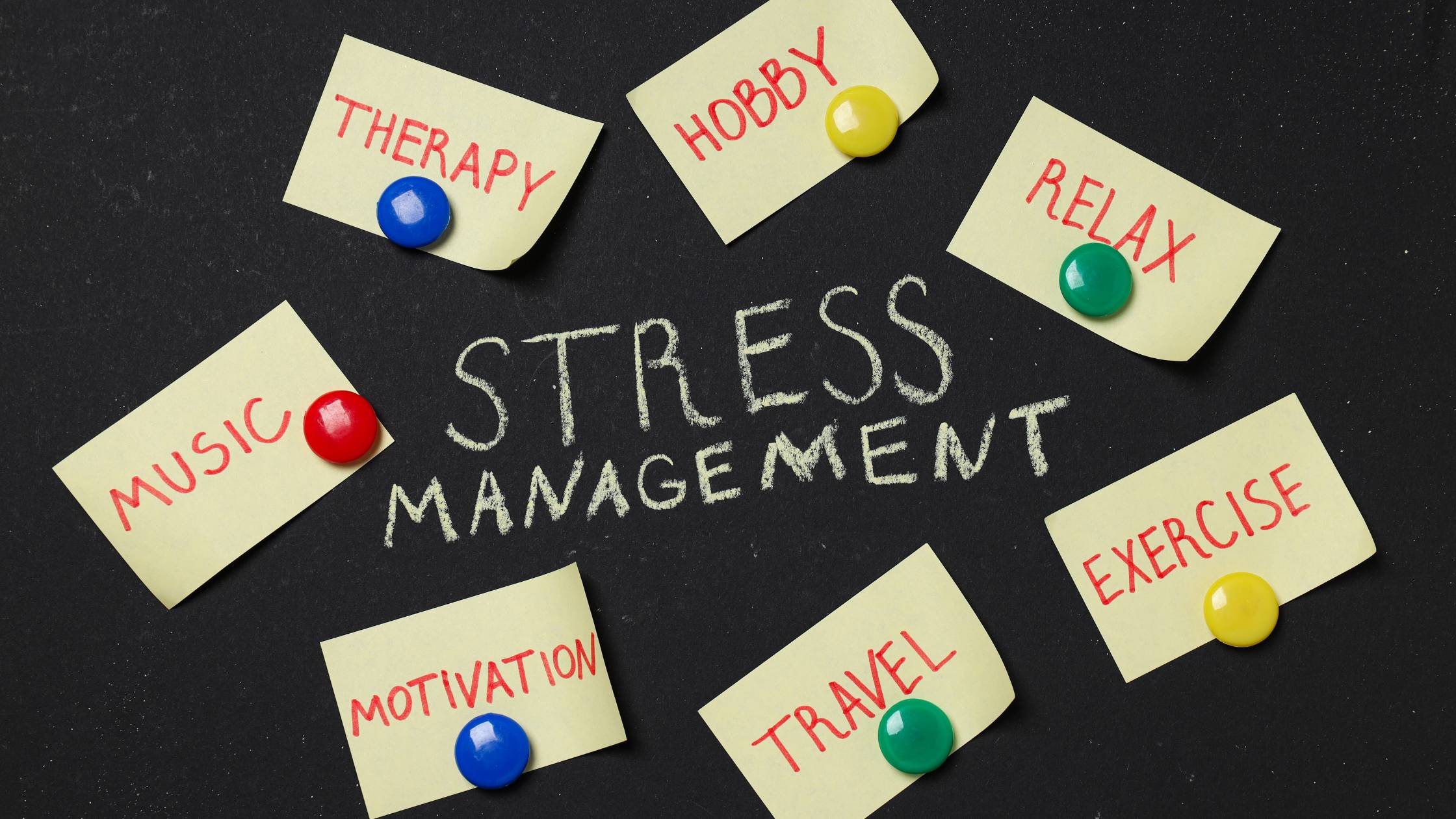
Stress is a natural part of life, but how you deal with it can make a huge difference in your mental health. Unmanaged stress can lead to anxiety, depression, and burnout. Finding healthy ways to cope, such as practicing mindfulness, yoga, journaling, or engaging in hobbies you enjoy. It’s important to find what works best for you and make it part of your routine. Over time, these healthy coping strategies can help you build resilience and reduce the impact of stress on your mental well-being.
7. Exercise Regularly

Exercise isn’t just good for your body—it’s also great for your mind. Regular physical activity releases endorphins, which are chemicals in the brain that help you feel happy and reduce stress. Even simple activities like walking, stretching, or dancing can improve your mood and mental clarity. Rafael Achacoso encourages people to find an exercise routine that works for them, whether it’s a daily walk, a workout class, or yoga. Just 30 minutes a day can make a significant difference in your mental health.
8. Get Enough Sleep

Sleep plays a huge role in mental health. When you don’t get enough rest, it can affect your mood, ability to concentrate, and overall mental clarity. Create a bedtime routine that allows you to wind down and get a good night’s sleep. This could include turning off screens an hour before bed, avoiding caffeine in the evening, and creating a calm and quiet environment in your bedroom. Getting quality sleep helps restore your mind and body, making it easier to face the challenges of the day.
9. Challenge Negative Thoughts

Sometimes, our own thoughts can be our biggest barrier to good mental health. Negative thinking patterns, such as always expecting the worst or focusing on mistakes, can fuel anxiety and depression. Challenging these thoughts by asking yourself if they are really true or if there’s another way to view the situation. Reframing negative thoughts into more balanced, realistic ones can help shift your mindset and improve your emotional well-being.
10. Seek Professional Support When Needed

There’s no shame in seeking help from a mental health professional when you need it. Sometimes, the support of a Psychiatric Nurse Practitioner like Rafael Achacoso can make a big difference. They can assess your mental health, provide therapy, and offer treatment options such as medication, if needed. Getting professional support allows you to take control of your mental health and develop personalized strategies to feel better.
Final Thoughts
Taking control of your mental health is an ongoing journey, but it’s one that is worth every step. By acknowledging the importance of mental health, asking for help, taking small daily steps, and surrounding yourself with positive influences, you can begin to feel more in control and at peace. Remember, mental health is just as important as physical health, and it’s never too late to start taking care of yourself. If you need support, don’t hesitate to reach out to a mental health professional like Rafael Achacoso for guidance on your path to wellness.
About the Creator
Rafael Achacoso
As a dedicated Psychiatric Nurse Practitioner, my mission is to offer a safe, warm, and inviting space where your mental health is the priority.
Enjoyed the story? Support the Creator.
Subscribe for free to receive all their stories in your feed.
Comments
There are no comments for this story
Be the first to respond and start the conversation.