
Protein Bar Market: A $17.17 Billion Pantry Essential
How clean labels, plant protein, and direct-to-consumer brands are pulling protein bars out of bodybuilding and into everyday life

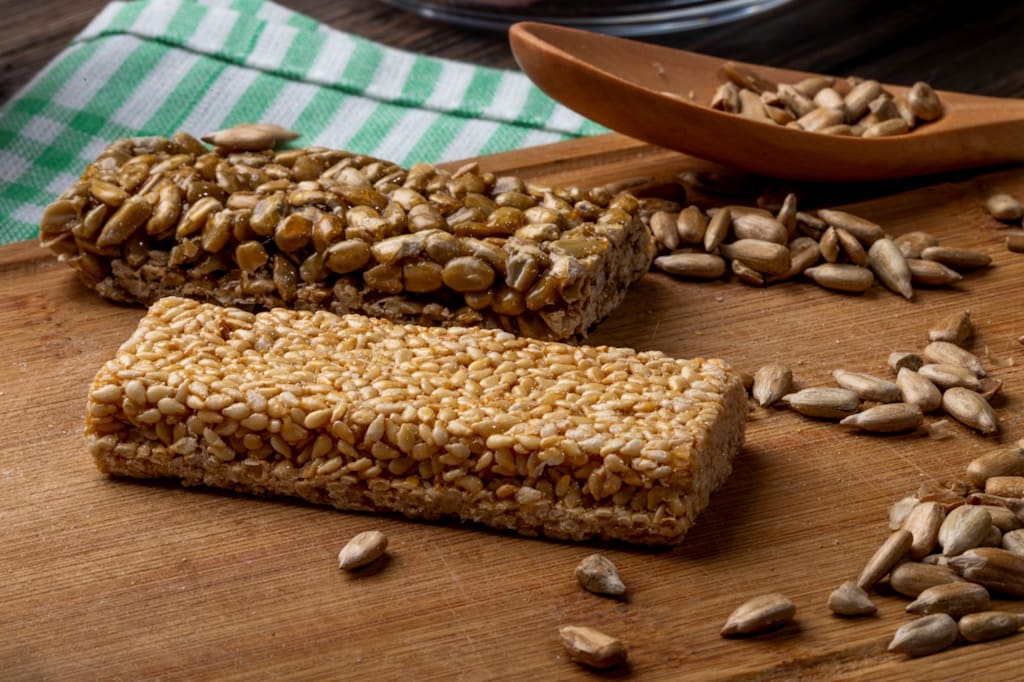
Protein bar used to belong to a specific kind of person.
Serious gym-goer. Competitive athlete. Someone who counted macros and knew exactly how many grams of protein they needed per kilogram of bodyweight. Everyone else walked past them in the supplement aisle without stopping.
That era is over.
Protein bars now sit next to checkout counters in petrol stations. They appear in office meeting rooms alongside fruit bowls. Parents pack them in school bags. Frequent flyers carry them through airport security. A product category that spent decades as a niche athletic supplement has become a mainstream food product consumed by people whose relationship with exercise ranges from dedicated to nonexistent.
According to Mordor Intelligence, the global protein bar market is valued at USD 9.73 billion in 2025, growing to USD 10.69 billion in 2026, projected to reach USD 17.17 billion by 2031 at 9.92% CAGR. A growth rate that strong in this mature signals a genuine behavioral shift, not a cyclical trend.
How Protein Bar Left the Gym
Transition from athletic supplement to mainstream snack happened gradually, then all at once.
Health consciousness spreading beyond fitness communities brought protein into daily conversation. Consumers who previously thought about protein only in the context of gym sessions began thinking about it as a general nutritional concern. Not enough protein in breakfast. Afternoon energy crash caused by a low-protein snack. Need something satisfying that is not another bag of crisps.
The protein bar answered all of these concerns simultaneously. Portable. No refrigeration needed. Defined nutritional content. Filling enough to substitute for a small meal when time is short. Tastes better than it used to. Available everywhere.
Workplace snacking has been particularly significant growth driver. Desk-based professionals eating lunch at screens, skipping formal meal breaks, and looking for something that handles hunger without requiring trip to kitchen or restaurant have made protein bars a standard office supply in ways nobody predicted fifteen years ago.
Travel occasions reinforced adoption. Flight delays. Long drives. Early morning departures before anything else open. Protein bar requires nothing. Just open and eat. That simplicity has made it default carry option for large and growing segment of regular travelers.
Clean Label Pressure Changed Everything
Early protein bars were not great products.
High sugar. Long ingredient lists full of things most consumers could not pronounce. Flavor that required significant effort to enjoy. They worked nutritionally but they were clearly compromises that consumers tolerated rather than chose enthusiastically.
Clean label movement forced improvement that benefited entire category.
Consumers reading ingredient labels with same scrutiny they applied to food brought to protein bars expectation they applied elsewhere. Short ingredient list. Recognizable ingredients. No synthetic additives if avoidable. Genuine protein source clearly identified. These expectations raised the floor for what could be sold credibly in a market that was attracting increasingly informed buyers.
Brands that responded by genuinely simplifying their formulations while maintaining or improving flavor found loyal audiences willing to pay premium prices for the result. Brands that maintained complicated formulations while adding clean-label language to their marketing found those same informed consumers increasingly skeptical.
Direct-to-consumer brands built specifically around ingredient transparency have been the most aggressive beneficiaries of this shift. Without retail margin pressure of conventional distribution, these brands can price premium formulations competitively while communicating ingredient stories in depth through their own digital channels. Subscription models that reward loyalty with pricing stability have reduced the cost comparison that makes premium products vulnerable to cheaper alternatives in retail settings.
Plant Protein Has Become Credible
Plant-based protein bar segment was, for most of category's history, clearly inferior to dairy-based alternatives on taste and texture.
That has changed.
Technology advances in plant protein processing have produced isolates from pea, rice, hemp, and various botanical sources that perform in bar formulations with texture and flavor profiles that early plant proteins could not approach. Binding behavior, moisture retention, and mouthfeel of current generation plant protein ingredients have narrowed gap with whey and casein to point where many consumers cannot identify meaningful quality difference.
Commercial consequence is significant. Consumers reducing animal product consumption who previously had to accept inferior product quality to align purchases with values now have genuine alternatives. Vegan and flexitarian buyers who represent growing demographic across multiple markets have credible options across price points rather than specialty segment commanding significant premium over conventional bars.
Environmental positioning of plant-based bars provides additional purchase rationale for sustainability-motivated consumers. Lower carbon footprint per gram of protein compared to dairy-derived alternatives is a documented and communicable advantage that resonates with buyer segments increasingly attentive to environmental impact of food choices.
Where Growth Is Happening
North America leads protein bar market in value. Category maturity here is high, distribution is comprehensive, and consumer familiarity requires no education. Growth continues but from large established base where incremental gains are more modest than newer markets.
Asia-Pacific growing fastest. Rising disposable incomes across China, India, South Korea, and Southeast Asia combining with rapidly expanding gym and fitness culture to create first-generation protein bar buyers at scale. Global fitness content on social platforms establishing protein consumption as normalized part of exercise culture in markets where it was previously niche. Distribution expansion through e-commerce reaching consumers beyond major urban centers where specialty retail not yet established.
E-commerce has reshaped category globally beyond just geographic expansion. Direct-to-consumer brands without conventional retail presence can reach national audiences. Subscription models build recurring revenue and customer loyalty that single purchase retail cannot sustain. Digital marketing allows targeted communication to specific consumer segments with specific product propositions that mass retail cannot support.
Challenges Worth Acknowledging
Regulatory inconsistency across markets creates compliance complexity for brands operating internationally. Protein content labeling requirements, health claim permissions, and ingredient restrictions vary enough between major markets that formulations designed for one regulatory environment may require modification for another.
Counterfeit risk in e-commerce has become genuine concern as category value has grown. Premium priced bars with strong brand recognition have attracted fake products sold through unauthorized channels. Consumers who purchase counterfeits receive products that may not deliver claimed nutritional content and may contain ingredients not listed. Brand damage from counterfeiting affects consumer trust in ways that authentic product quality cannot fully repair.
Sugar content scrutiny has intensified as protein bars have moved into mainstream food discussion where nutrition journalists and public health voices apply same standards they apply to confectionery. Bars with protein claims but significant sugar content face questions about whether the protein benefit justifies the sugar cost. Formulations that deliver genuine protein without high sugar have competitive advantage as this scrutiny increases.
A Closing Thought
Protein bar succeeded because it solved problem that growing number of people had. Not enough protein. Not enough time. Not enough convenient options that tasted acceptable.
Solutions that solve real problems for growing number of people tend to build large markets. USD 17.17 billion by 2031 is what that looks like when problem is genuinely widespread and solution genuinely works.
Bar that started in gym bag found whole world of people who needed it.
About the Creator
Harvey Specter
I am passionate about Food & Beverage, Ag, & Animal Nutrition companies. I help organizations unlock their data's potential and fuel business growth. My expertise transforms raw data into actionable insights for strategic decisions.
Enjoyed the story? Support the Creator.
Subscribe for free to receive all their stories in your feed.
Comments
There are no comments for this story
Be the first to respond and start the conversation.