
Progress with Protection: Ministers Chart Balanced Path for Tech, Jobs, and Talent in Malaysia
Communications Minister Fahmi Fadzil Warns Against Unregulated “Creative Destruction”; C&M Future Skills Framework Launched; Three Ministries Align on Workforce Readiness

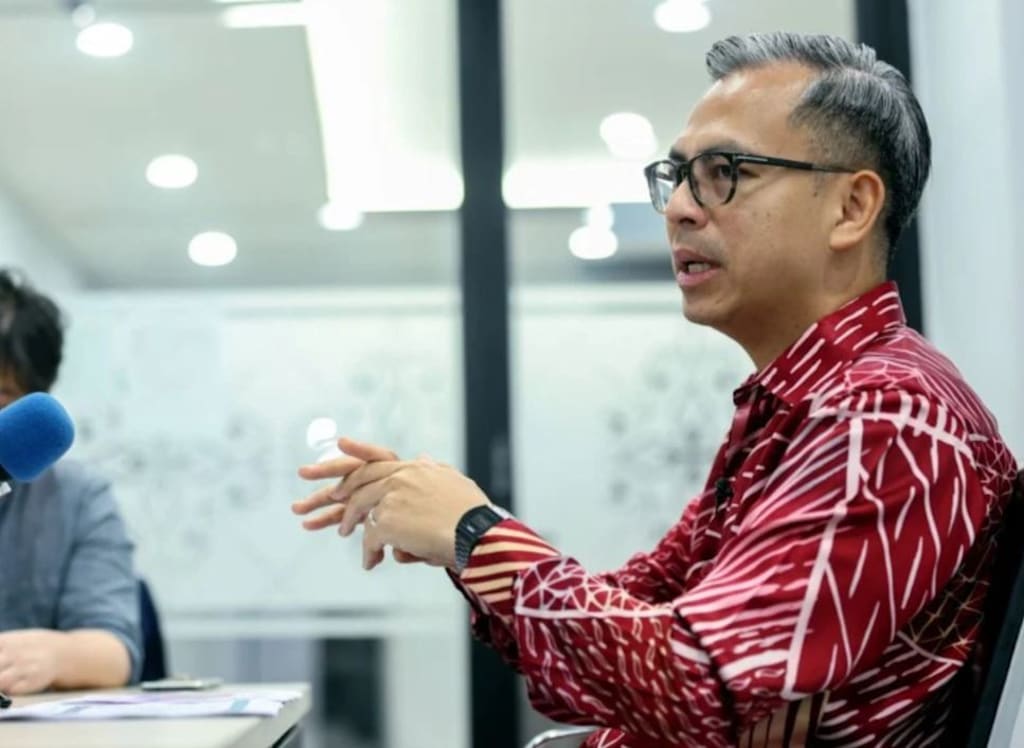
Technological progress must not come at the expense of workers, communities, or social stability. That was the core message from three senior cabinet ministers at the launch of the Communications and Multimedia Future Skills Framework (C&M FSF) and the Strategic Talent Development Initiative in Angkasapuri today, a landmark effort to prepare Malaysia’s workforce for the AI era while putting safeguards in place to protect livelihoods and fairness.
The Central Tension: Innovation vs. Impact
Communications Minister Datuk Seri Fahmi Fadzil framed the challenge plainly: AI, the gig economy, and e‑commerce bring immense opportunity, but they carry real risks if allowed to advance without guardrails. “If technological developments are allowed to run too freely without any regulation, it risks affecting workers' welfare and damaging the existing business ecosystem,” he told the audience.
His phrasing, balancing “creative destruction” against the need to avoid harm, acknowledges that new technologies can reshape industries and displace roles, but that this process must be managed. “If too many citizens lose their jobs or do not get fair wages, that is why there is pressure,” he said. “There must be a balance between allowing companies and businesses to do some ‘creative destruction,’ but not to the extent of causing damage and social problems, and not to the point of disrupting public order.”
A Unified Approach Across Three Ministries
The event brought together leadership from the Ministry of Communications, the Ministry of Higher Education (MoHE), and the Ministry of Human Resources (Kesuma) a deliberate alignment reflecting how deeply technology touches education, employment, and economic policy:
Communications Ministry — spearheads industry transformation, digital adoption, and sector‑specific skills standards through the Malaysian Communications and Multimedia Commission (MCMC).
Higher Education Ministry — revises curricula, strengthens graduate competencies, and ensures university and TVET programmes match emerging industry needs.
Human Resources Ministry — leads the newly established Future Skills Talent Council (FSTC), the coordinating body that will oversee implementation, bridge training to employment, and track progress against national targets.
Together, the C&M Future Skills Framework serves as a shared strategic guide for talent development over the next five to 10 years, identifying in‑demand capabilities, setting competency benchmarks, and ensuring training investments align with where the economy is heading.
Assurances for Graduates and Youth
Following the panel discussion, Minister Fahmi spoke directly to students, graduates, and Technical and Vocational Education and Training (TVET) learners reassuring them that automation and digital transformation will create new fields of work alongside the ones they reshape. “In the sectors under the Ministry of Communications, there are several things companies need to take into account, including bachelor’s degree graduates, university leavers, and those from TVET fields,” he said. “On the government’s part, we will strive to ensure the available number of jobs allows these companies to hire more people, especially youths.”
This focus on youth is critical: as AI and digital platforms evolve, the goal is not just to replace tasks with technology, but to expand the workforce into higher‑value, creative, and skilled roles that leverage human potential.
Framework to Action
The launch marks the beginning of implementation, not just planning. The Future Skills Talent Council will translate the framework into practical programmes connecting training providers, employers, and learners so that skills acquired are skills demanded. Universities and polytechnics will update their offerings accordingly, ensuring graduates do not face a gap between what they learned and what the job market needs.
Malaysia stands at a familiar crossroads: embrace change to stay competitive, while ensuring prosperity is shared broadly. The C&M Future Skills Framework and the coordinated tri‑ministry approach represent a clear answer one that welcomes innovation, insists on fair treatment of workers, and invests in people as the country’s most valuable resource. As Minister Fahmi put it: technology is moving forward; so must we together.
About the Creator
Mark Lim
Hi I am mark an automotive student and a car, tech and food enthusiast ! Im gonna try and post daily & hope you enjoy what I write and do share my page with people you know. I would gladly appreciate it! Cheers
Enjoyed the story? Support the Creator.
Subscribe for free to receive all their stories in your feed.
Comments
There are no comments for this story
Be the first to respond and start the conversation.