
Preventing Gum Disease: Daily Habits That Make a Difference
Simple, Effective Routines to Keep Your Gums Healthy and Strong
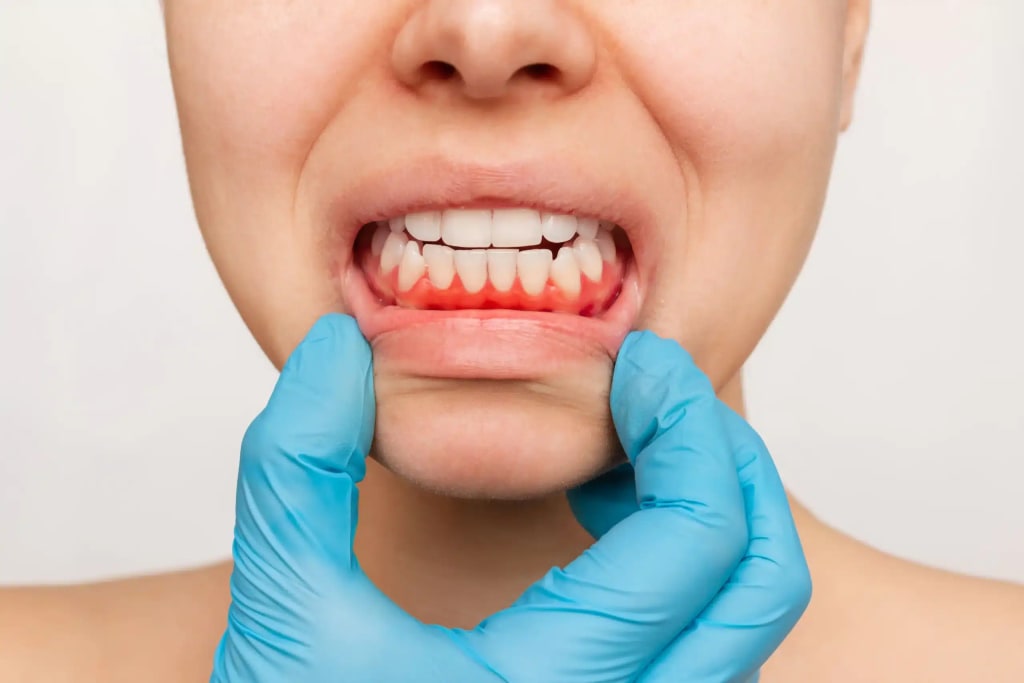
Gum disease is a common yet preventable condition that affects millions of Americans. Left unchecked, it can lead to serious oral health issues, including tooth loss and even systemic health problems like heart disease. The good news? By adopting simple daily habits, you can significantly reduce your risk and maintain a healthy smile. This blog explores practical, evidence-based strategies to prevent gum disease, focusing on user-friendly routines that fit into busy lifestyles. Written with insights from dental professionals, this guide is designed to empower you with the knowledge and tools to protect your gums for the long term.
Understanding Gum Disease and Its Causes
Gum disease, also known as periodontal disease, starts with plaque buildup—a sticky film of bacteria on teeth and gums. If not removed, plaque hardens into tartar, irritating gums and causing inflammation (gingivitis). Without intervention, gingivitis can progress to periodontitis, damaging the tissues and bone supporting your teeth. Common causes include poor oral hygiene, smoking, genetics, and even stress, which can weaken your immune system and make gums more vulnerable.
Lifestyle factors play a big role too. Poor nutrition, hormonal changes, and certain medications can increase your risk. By understanding these triggers, you can take proactive steps to address them. For example, managing stress through mindfulness or exercise can support your oral health indirectly, while consistent dental care tackles the root causes directly.
Daily Habits to Prevent Gum Disease
Preventing gum disease doesn’t require drastic changes—just consistent, intentional habits. Here are the most effective daily practices recommended by dental experts:
1. Brush Twice a Day, the Right Way
Brushing your teeth twice daily is the cornerstone of gum health. Use a soft-bristled toothbrush and fluoride toothpaste to gently clean along the gumline, where plaque tends to accumulate. Angle your brush at 45 degrees toward the gums and use short, circular motions. Avoid aggressive scrubbing, which can irritate gums and wear down enamel. Electric toothbrushes can be especially effective, as they provide consistent pressure and often have timers to ensure you brush for the full two minutes.
2. Floss Daily to Remove Hidden Plaque
Flossing is non-negotiable for healthy gums. It removes plaque and food particles from between teeth and below the gumline—areas your toothbrush can’t reach. If traditional floss feels cumbersome, try interdental brushes, floss picks, or water flossers for convenience. The key is consistency: flossing once a day, ideally before bedtime, can make a significant difference. If you notice bleeding gums when flossing, don’t stop—it’s often a sign of inflammation that improves with regular care.
3. Incorporate an Antiseptic Mouthwash
Rinsing with an antiseptic mouthwash can reduce plaque and bacteria that cause gum disease. Look for products with the American Dental Association (ADA) Seal of Acceptance, which ensures safety and efficacy. Mouthwash isn’t a substitute for brushing or flossing but acts as a powerful adjunct to your routine. Swish for 30–60 seconds after brushing to target hard-to-reach areas and freshen your breath.
4. Stay Hydrated for Saliva Production
Saliva is your mouth’s natural defense against gum disease. It neutralizes acids, washes away food particles, and fights bacteria. Drinking plenty of water throughout the day keeps saliva flowing, especially if you take medications that cause dry mouth. Chewing sugar-free gum can also stimulate saliva production between meals, providing an extra layer of protection.
5. Eat a Gum-Friendly Diet
Nutrition plays a critical role in gum health. Foods rich in vitamin C (like oranges and bell peppers) strengthen gums, while calcium-rich options (like yogurt and leafy greens) support teeth and bone. Limit sugary snacks and acidic drinks, which feed harmful bacteria and erode enamel. Crunchy fruits and vegetables, like apples and carrots, act as natural toothbrushes, scrubbing away plaque as you chew. A balanced diet not only prevents gum disease but also boosts overall wellness.
The Role of Stress in Gum Health
Chronic stress can take a toll on your body, including your gums. Gum disease from stress, dentist experts note, often stems from stress-related behaviors like teeth grinding or neglecting oral hygiene during busy times. Stress also triggers cortisol production, which can weaken your immune system and make it harder to fight gum inflammation. To counteract this, incorporate stress-relief practices like deep breathing, yoga, or short walks into your day. These small habits can lower cortisol levels and support your body’s ability to maintain healthy gums.
Regular Dental Visits: Your Safety Net
Even with a solid daily routine, professional dental care is essential. Visit your dentist at least twice a year for cleanings and checkups. These appointments remove tartar that brushing can’t tackle and catch early signs of gum issues before they escalate. Your dentist can also provide personalized advice based on your unique risk factors, such as genetics or medical conditions. If you’re in a high-stress period or notice symptoms like swollen gums or bad breath, don’t wait—schedule a visit sooner.
Lifestyle Factors to Avoid
Certain habits can undermine your efforts to prevent gum disease. Smoking and tobacco use are major culprits, as they reduce blood flow to the gums and impair healing. Excessive alcohol consumption can also dry out your mouth and increase bacterial growth. If you grind your teeth at night (often stress-related), ask your dentist about a custom mouthguard to protect your gums and enamel. By addressing these risk factors, you’ll create a stronger foundation for oral health.
Tools and Products to Enhance Your Routine
Investing in the right tools can elevate your gum disease prevention game. Consider these dentist-approved options:
- Electric Toothbrush: Models with pressure sensors prevent overbrushing.
- Water Flosser: Ideal for those with braces or dexterity issues.
- Tongue Scraper: Reduces bacteria that can migrate to gums.
- Fluoride Toothpaste: Strengthens enamel and fights cavities.
Always choose products backed by the ADA for quality assurance. Your dentist can recommend specific brands tailored to your needs, ensuring you get the most out of your routine.
Why Prevention Matters: The Bigger Picture
Preventing gum disease isn’t just about saving your smile—it’s about protecting your overall health. Research links periodontal disease to conditionsเช่น heart disease, diabetes, and respiratory issues, as bacteria from infected gums can enter the bloodstream. By prioritizing gum health, you’re investing in your long-term wellness. Plus, healthy gums mean fresher breath, stronger teeth, and fewer costly dental procedures down the line.
FAQs About Gum Disease Prevention
Q: How do I know if I have gum disease?
A: Early signs include red, swollen, or bleeding gums, persistent bad breath, and loose teeth. See a dentist for a professional evaluation if you notice these symptoms.
Q: Can gum disease be reversed?
A: Gingivitis, the earliest stage, can often be reversed with good oral hygiene and dental cleanings. Advanced periodontitis requires more intensive treatment.
Q: How does stress affect my gums?
A: Stress can weaken your immune system and lead to habits like neglecting oral care or clenching your jaw, increasing your risk of gum inflammation.
Q: Are natural remedies effective for gum disease?
A: While remedies like oil pulling may complement your routine, they’re not substitutes for brushing, flossing, and professional care. Always consult your dentist before trying alternatives.
Take Control of Your Gum Health Today
Preventing gum disease is within your reach with the right habits and mindset. By brushing and flossing daily, eating a balanced diet, managing stress, and visiting your dentist regularly, you can keep your gums healthy and your smile bright. Start small—pick one or two habits from this guide and build from there. Your future self (and your wallet) will thank you for prioritizing oral health now. For personalized advice, reach out to a trusted dental professional in your area and take the first step toward a healthier mouth.
About the Creator
Enjoyed the story? Support the Creator.
Subscribe for free to receive all their stories in your feed.
Comments
There are no comments for this story
Be the first to respond and start the conversation.