

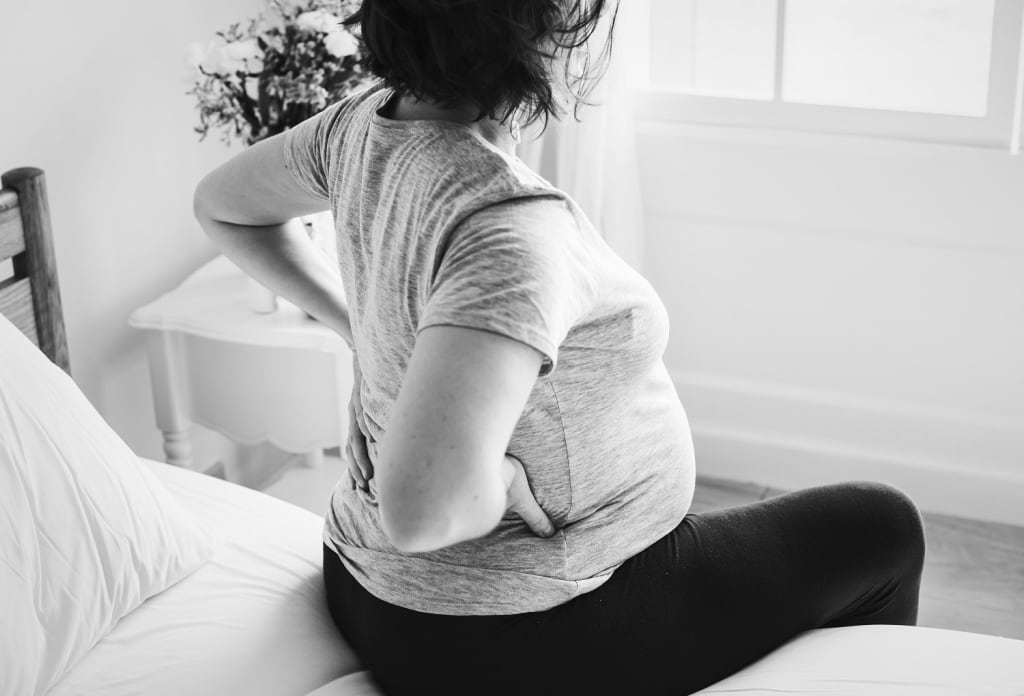
Pregnancy is a beautiful and transformative journey, but it often comes with a range of physical discomforts. These common aches and pains can significantly affect the quality of life for expectant mothers.
Understanding these discomforts is essential in managing them effectively and ensuring a more comfortable pregnancy. My clinical focus is on supporting women as their bodies change throughout pregnancy, to help keep them moving pain free.
In this article, we'll explore some of the most common aches and pains experienced during pregnancy and offer insights on how to alleviate them.
Lower back pain
One of the most prevalent discomforts during pregnancy is lower back pain. As the baby grows, the mother’s centre of gravity shifts forward, putting extra strain on the lower back. Hormonal changes, like the release of the hormone relaxin, which is produced in higher quantities during pregnancy to loosen ligaments and prepare the body for childbirth, can also affect the stability of the spine, leading to pain.
To relieve lower back pain, consider gentle exercises to strengthen the muscles that support your spine. Maintaining good posture, using maternity support belts, and regular prenatal massages can also help to keep this pain at bay.
Pelvic girdle pain
Pelvic girdle pain is a term used to describe pain and discomfort in the pelvic area during pregnancy. It encompasses a range of symptoms and can affect various parts of the pelvic region, including the pubic bone, sacroiliac joints (located at the back of the pelvis), and the hip joints.
The condition is primarily associated with the increased flexibility of the ligaments and joints in the pelvic area, a phenomenon that occurs due to hormonal changes during pregnancy. In some cases, this increased flexibility can lead to instability and discomfort, resulting in pelvic girdle pain.
Specific pregnancy chiropractic care, acupuncture or physical therapy may be able to provide relief, but speak to your GP before commencing any treatment. Simple exercises like pelvic tilts and gentle stretches may also help alleviate the discomfort.
Sciatica
Sciatica is a sharp, shooting pain that radiates from the lower back down to the legs. It's often caused by pressure on the sciatic nerve due to the expanding uterus.
Stretching exercises that target the sciatic nerve, such as prenatal yoga or Pilates, might offer some relief. Heat or cold packs and pregnancy-safe pain relief can also help.
Round ligament pain
As the uterus grows, the round ligaments that support it can become strained, leading to sharp, shooting pains, typically felt on the sides of the abdomen. It’s entirely normal and nothing to worry about, but it can certainly be unpleasant.
These pains shouldn’t last long, and may be relieved by switching positions. Gentle stretching exercises that focus on the abdominal area can help ease round ligament pain. Supportive belly bands and a heat pack may also provide relief.
Leg cramps
Leg cramps are common during pregnancy, particularly in the second and third trimesters. They can be due to changes in blood circulation and increased pressure on the nerves that control the legs.
Cramps commonly happen at night, so try stretching your leg muscles before you go to bed and drink plenty of water. Staying hydrated, gentle stretching before bed and mild massage can help prevent and alleviate leg cramps. Additionally, ensuring you have enough calcium, magnesium and potassium in your diet may be beneficial.
Swollen ankles and feet
Swelling, also known as edema, is a common pregnancy complaint. It's usually caused by an increase in bodily fluids and reduced circulation, particularly in the lower limbs. You may find it gets worse if you sit or sit in one place for most of the day, or take a flight.
To reduce the incidence, try elevating your legs when possible, wearing comfortable and supportive shoes, and avoiding prolonged periods of standing. Compression socks or stockings are a great option if you need to stand or fly, or if the swelling won’t go down with elevation.
Heartburn
Heartburn during pregnancy is a result of the growing uterus putting pressure on the stomach, forcing stomach acids back into the oesophagus.
It’s not pleasant, but heartburn can be fairly easily managed by eating smaller meals, avoiding spicy or acidic foods, and keeping your upper body elevated when sleeping. You can also ask your healthcare provider about safe antacids during pregnancy.
Constipation
Hormonal changes can slow down digestion and lead to constipation. To make things worse, iron supplements commonly prescribed during pregnancy can exacerbate the issue.
Staying hydrated, eating a high-fibre diet, and incorporating gentle exercise into your routine can help regulate your digestive system. Consult your healthcare provider before making any dietary or medication changes.
Shortness of breath
As your pregnancy progresses, the expanding uterus can push against the diaphragm, making it difficult to take deep breaths.
Prenatal yoga, breathing exercises and maintaining good posture can improve lung capacity and alleviate shortness of breath. However it’s also important to take it easy and accept that your cardio isn’t what it used to be.
Braxton Hicks contractions
Often referred to as practice contractions, these sporadic contractions around the stomach can be uncomfortable but nothing to worry about – they don’t mean you’re going into labour.
If you’re experiencing Braxton Hicks contractions, try changing positions or stretching gently. They should subside on their own. If you think you might be experiencing true labour contractions, consult your healthcare provider.
Understanding these common aches and pains during pregnancy is the first step in managing them effectively. However, it's crucial to remember that if any pain or discomfort is severe, persistent, or accompanied by other concerning symptoms, you should consult your healthcare provider immediately.
Your GP, midwife and allied health providers, should be able to minimise your pregnancy discomfort.
About the Creator
Dr. Wayne Gard
Dr. Wayne Gard (Chiropractor). Dr. Wayne Gard (Chiropractor) is a qualified Chiropractor, Naturopath, and Acupuncturist in Sydney, Australia.
Enjoyed the story? Support the Creator.
Subscribe for free to receive all their stories in your feed.
Comments
There are no comments for this story
Be the first to respond and start the conversation.