
Pranayama: 5 Yoga Breathing Techniques That Actually Work
You breathe 20,000 times a day — but are you doing it right? Learn 5 ancient Pranayama techniques that reduce anxiety, sharpen focus & transform your health.

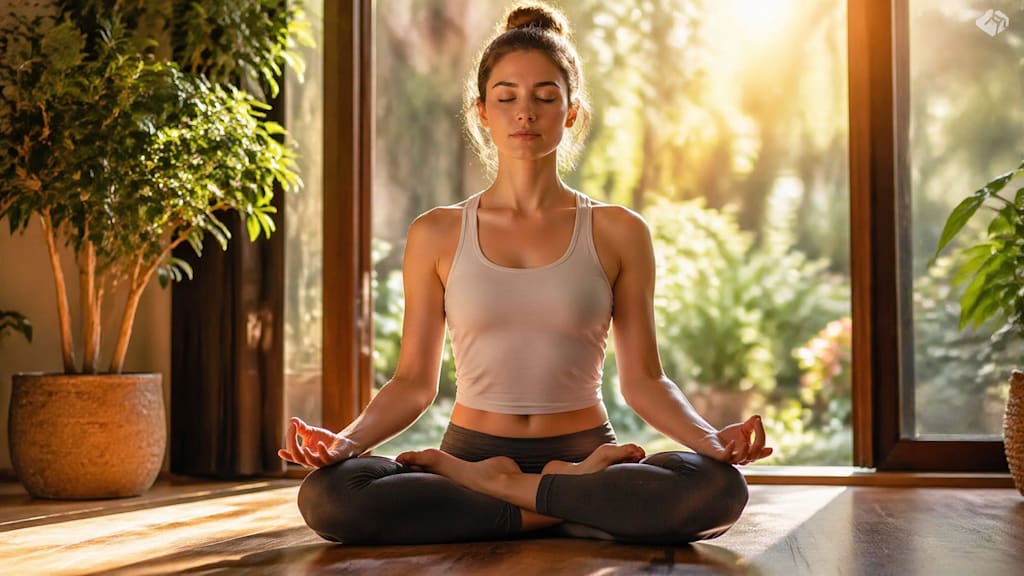
The Breath You've Been Ignoring
Most of us breathe roughly 20,000 times a day without thinking about it. We spend hours choosing the right food, the right workout, the right supplements — yet we ignore the one tool that is always with us, completely free, and scientifically proven to reduce stress, improve lung capacity, lower blood pressure, and sharpen mental focus.
That tool is your breath.
In the world of yoga, intentional breathwork is called Pranayama — derived from the Sanskrit words prana (life force or vital energy) and ayama (expansion or control). While most people associate yoga with stretching and physical postures (asanas), ancient yogic texts like the Hatha Yoga Pradipika and the Yoga Sutras of Patanjali describe Pranayama as an equally — if not more — important pillar of the practice.
Today, modern science is catching up to what practitioners have known for thousands of years: how you breathe profoundly shapes how you feel, think, and function.
What Exactly Is Pranayama?
Pranayama is the conscious regulation of breath through specific techniques that control the rhythm, depth, and retention of each inhale and exhale. Unlike regular breathing, Pranayama is deliberate — you engage your diaphragm, rib cage, and sometimes specific nasal passages in a structured way.
The practice operates on your autonomic nervous system, the involuntary system that controls your heart rate, digestion, and stress response. Slow, deep breathing activates the parasympathetic branch (your "rest and digest" mode), while certain rapid techniques stimulate the sympathetic branch (your "fight or flight" mode) in a controlled, beneficial way.
The result? You gain a direct biological lever over your own stress, energy, and emotional state.
5 Core Pranayama Techniques and Their Benefits
1. Nadi Shodhana (Alternate Nostril Breathing)
This is one of the most widely practiced and well-researched Pranayama techniques. You alternate breathing through each nostril using your fingers to gently close one side at a time.
How to practice: Sit comfortably. Close your right nostril with your right thumb. Inhale slowly through the left nostril for 4 counts. Close both nostrils briefly, then release the right nostril and exhale for 4 counts. Reverse the process. Repeat for 5–10 cycles.
Benefits: Research published in journals of integrative medicine has shown that Nadi Shodhana reduces heart rate and blood pressure, improves respiratory function, and promotes cognitive balance between the brain's two hemispheres. It is particularly effective for managing anxiety before high-stress events like presentations or exams.
2. Kapalabhati (Skull-Shining Breath)
Kapalabhati involves short, sharp, forceful exhales followed by passive inhales. The name translates roughly to "shining skull," referring to its cleansing effect on the sinuses and respiratory tract.
How to practice: Sit with a straight spine. Take a deep breath in. Then rapidly and forcefully exhale through your nose, pulling your navel sharply toward your spine. Let the inhale happen passively. Start with 20 pumps per round.
Benefits: This technique is energizing — practitioners often use it in the morning as a natural alternative to coffee. It stimulates the digestive organs, clears mucus from the respiratory tract, and generates significant internal heat. Note: Kapalabhati should be avoided during pregnancy or if you have high blood pressure.
3. Bhramari (Humming Bee Breath)
In Bhramari, you make a humming sound during your exhale — similar to the buzz of a bee. The vibration created by this sound directly stimulates the vagus nerve, a major pathway of the parasympathetic nervous system.
How to practice: Close your eyes. Gently press your index fingers on your ear cartilage (not inside). Inhale deeply. On the exhale, make a long, steady humming sound. Feel the vibration in your skull and chest. Repeat 5–7 times.
Benefits: Bhramari is one of the fastest ways to reduce acute anxiety and anger. Studies have associated regular humming breathing with reduced cortisol levels, improved sleep quality, and relief from tension headaches. It is gentle enough for almost all practitioners, including beginners and seniors.
4. Ujjayi (Ocean Breath)
Ujjayi is the breath most commonly used during dynamic yoga flows. You slightly constrict the back of your throat while breathing through your nose, creating a soft, ocean-like sound. This is why it is also called "Victorious Breath."
How to practice: Breathe in and out through your nose. Gently tighten the glottis (back of the throat) slightly — as if you're fogging a mirror, but with your mouth closed. The result is a soft, rhythmic sound.
Benefits: Ujjayi regulates body temperature during physical practice, keeps the mind focused through the auditory anchor of the breath sound, and extends the duration of each breath cycle — maximizing oxygen exchange. It is an excellent technique for beginners to learn alongside basic yoga poses.
5. Bhastrika (Bellows Breath)
Bhastrika is among the most powerful Pranayama techniques — both the inhale and exhale are forceful and rapid, like the bellows of a blacksmith's forge.
How to practice: Sit upright. Forcefully inhale and exhale in quick succession, using your full diaphragm. One round is typically 10–20 breath cycles, followed by a resting inhale and breath retention.
Benefits: Bhastrika rapidly increases oxygen levels in the blood, boosts metabolic rate, and is considered one of the most potent techniques for building prana or vital energy. However, it is recommended only for those with some prior Pranayama experience.
How to Start a Pranayama Practice
You do not need a Yoga studio, an expensive mat, or any special equipment. All you need is 10 minutes and a quiet space.
Start with Nadi Shodhana or Bhramari — both are gentle, safe for most people, and produce noticeable results within the first session. Practice in the morning before eating or in the evening before bed. Keep your spine long, your shoulders relaxed, and your eyes gently closed.
Over time, even a 10-minute daily Pranayama practice can meaningfully reduce baseline anxiety, improve sleep, sharpen focus, and support your broader yoga and fitness goals.
The Bottom Line
Your breath is the original biohack — ancient, accessible, and extraordinarily powerful. While the wellness industry continues to chase the next supplement or gadget, yogis have been using Pranayama for over 5,000 years to regulate the mind and heal the body.
Whether you are a complete beginner or an experienced yogi looking to deepen your practice, bringing deliberate attention to your breath is one of the most impactful steps you can take toward lasting well-being. Pick one technique from this list, set a 10-minute timer tomorrow morning, and try it. You don't need a gym membership, a subscription, or any equipment. Just breathe - differently.
About the Creator
Donna Steven
Hi, I’m Donna Steven. I write for 'Ant and Bees' where I share simple and practical tips related to fitness, weight loss, and a healthy lifestyle. My goal is to help people build habits and achieve real results naturally.
Enjoyed the story? Support the Creator.
Subscribe for free to receive all their stories in your feed.
Comments
There are no comments for this story
Be the first to respond and start the conversation.