
Powering the Green Transition: Tenaga Nasional Raises RM4.8 Billion via Sustainability Sukuk
Malaysia’s national utility giant continues its aggressive push toward net-zero emissions with its second major issuance under a RM10 billion sustainability framework, signaling strong investor confidence in the country’s energy transition roadmap.

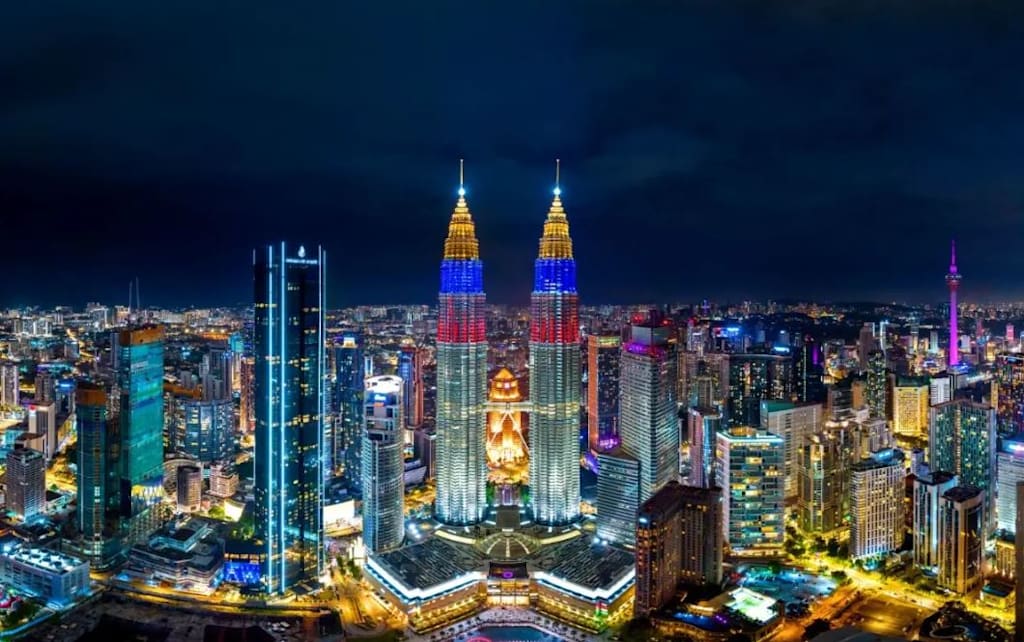
Tenaga Nasional Bhd (TNB), the cornerstone of Malaysia’s energy infrastructure, has successfully executed a significant financial maneuver to fuel its ambitious decarbonization agenda. The utility giant announced on Tuesday the issuance of RM4.8 billion in Islamic medium-term notes (IMTNs) under its RM10 billion Sustainability Sukuk Wakalah Programme. This marks the second major tranche raised under the framework since its launch in April 2026, following an initial RM4 billion issuance in May. The move is not merely a routine refinancing exercise; it is a deliberate and calculated step toward achieving TNB’s stated goal of net-zero carbon emissions by 2050, a target that requires unprecedented levels of investment in renewable energy infrastructure, grid modernization, and technology adoption.
The Mechanics of Sustainable Finance
The structure of this issuance highlights the sophistication of Malaysia’s Islamic finance sector and its growing alignment with global ESG (Environmental, Social, and Governance) standards. The RM4.8 billion was raised through six distinct tranches, with tenures ranging from five to 25 years. This laddered maturity profile is a prudent financial strategy, allowing TNB to match long-term infrastructure assets such as solar farms and hydroelectric plants with long-term liabilities, thereby reducing refinancing risk. The annual periodic distribution rates were priced between 4.2% and 4.88%, a range that reflects strong investor appetite despite a global environment of elevated interest rates. These competitive rates suggest that institutional investors, both domestic and international, view TNB’s sustainability-linked debt as a safe-haven asset, backed by the sovereign-like stability of the national utility.
The proceeds from this sukuk are strictly earmarked for "eligible transition projects." In the context of TNB’s operations, this likely includes the development of large-scale hybrid renewable energy systems, the expansion of battery energy storage solutions to manage grid intermittency, and potentially the early retirement or retrofitting of aging coal-fired power plants. By channeling capital specifically into these areas, TNB is ensuring that its financial obligations are directly tied to its environmental outcomes, a key requirement for maintaining its credibility in the green finance market.
Strategic Context: The RM10 Billion Roadmap
This issuance is part of a broader RM10 billion Sustainability Sukuk Wakalah Programme announced earlier in the year. The speed at which TNB has deployed half of this facility, raising RM8.8 billion in just over five months signals an urgent need for capital. The energy transition is capital-intensive, requiring billions in upfront investment before any returns are realized. By securing this funding now, TNB is locking in resources to accelerate its Renewable Energy (RE) roadmap, which aims to increase the share of clean energy in its generation mix significantly over the next decade.
The choice of a Wakalah structure, where investors act as principals and appoint TNB as their agent to invest the funds in Shariah-compliant sustainable projects, adds a layer of ethical transparency. It appeals to a wide spectrum of investors, including Islamic funds, conventional ESG-focused portfolios, and sovereign wealth funds looking to diversify into Asian green assets.
Financial Resilience Amidst Heavy Borrowing
Critically, TNB has managed to balance its aggressive expansion plans with fiscal discipline. The company acknowledged that the issuance would increase its consolidated borrowings by RM4.8 billion. However, it assured the market that this would not have a material impact on earnings, thanks to the stable, regulated nature of its revenue streams.
As of June 30, 2026, TNB reported a robust liquidity position with cash and cash equivalents totaling RM13.17 billion. Against total borrowings of RM60.96 billion, the group’s net borrowings stood at RM47.79 billion, resulting in a net gearing ratio of 89.53%. While a gearing ratio near 90% is high by some industrial standards, it is typical for a capital-intensive utility monopoly with predictable cash flows and strong government support. The company’s ability to raise funds at competitive rates demonstrates that creditors remain confident in its ability to service its debt while navigating the complexities of the energy transition.
Market Confidence and Institutional Support
The market’s reaction was one of steady confidence. TNB shares closed slightly higher at RM13.30, up two sen, valuing the company at RM77.53 billion. This muted but positive response suggests that the issuance was largely anticipated and viewed as a necessary step in the company’s long-term strategy rather than a surprise event.
The transaction was supported by Malaysia’s financial heavyweights, with CIMB Investment Bank Bhd and Maybank Investment Bank Bhd serving as joint principal advisers, lead arrangers, and lead managers. Their involvement underscores the critical role of local banks in facilitating the nation’s green transition, acting as bridges between corporate issuers and global capital markets.
The Road to 2050
For TNB, the challenge now shifts from fundraising to execution. The RM4.8 billion raised must be deployed efficiently to deliver tangible results: more megawatts of solar capacity, a more resilient smart grid, and a measurable reduction in carbon intensity. As Malaysia races to meet its own national climate commitments under the Paris Agreement, TNB’s success in this transition will serve as a benchmark for other state-linked companies and private enterprises.
This sukuk issuance is more than a financial instrument; it is a statement of intent. It signals that Malaysia’s national utility is no longer just a provider of electricity, but an active architect of a sustainable future. By leveraging the depth of Islamic finance and the growing global demand for green assets, TNB is positioning itself not just to survive the energy transition, but to lead it. As the world moves toward a low-carbon economy, the ability to finance that shift responsibly will be just as important as the technology used to generate the power. For Tenaga Nasional, the lights are staying on, but the source of that light is fundamentally changing.
About the Creator
Mark Lim
Hi I am mark an automotive student and a car, tech and food enthusiast ! Im gonna try and post daily & hope you enjoy what I write and do share my page with people you know. I would gladly appreciate it! Cheers
Enjoyed the story? Support the Creator.
Subscribe for free to receive all their stories in your feed.
Comments
There are no comments for this story
Be the first to respond and start the conversation.