
Power, Influence, and Corporate Control in Malaysia
A long‑observed pattern of corporate reshuffling tied to political shifts raises fresh questions about enforcement, fairness, and investor confidence

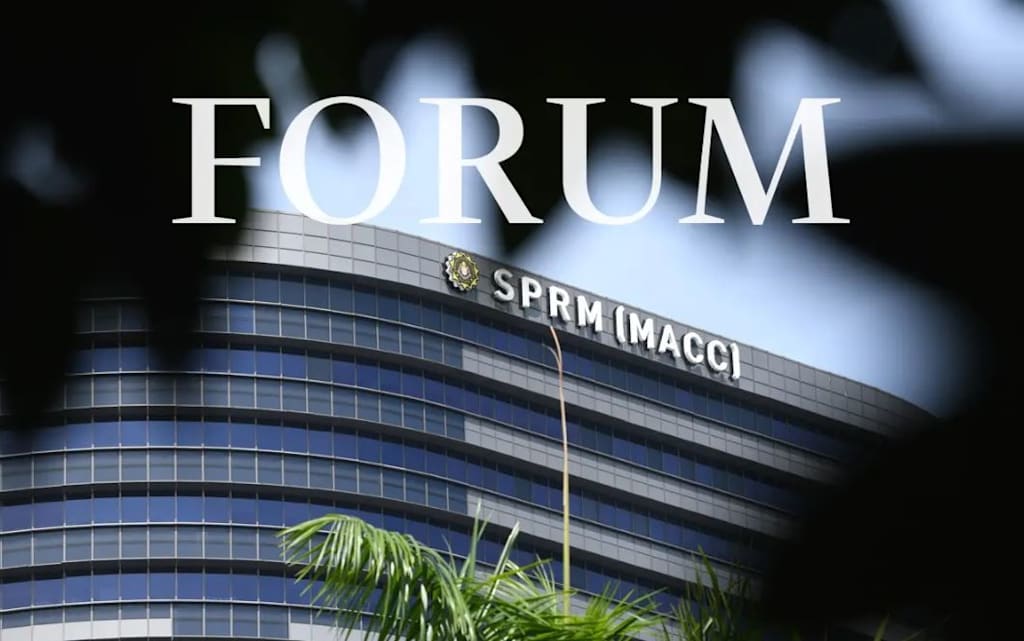
KUALA LUMPUR — The intersection of business and politics in Malaysia has long carried consequences. Whenever the balance of government power shifts, corporate figures seen as aligned with outgoing leaders have frequently found themselves sidelined, their businesses taken over or restructured. Prime Minister Datuk Seri Anwar Ibrahim acknowledged this pattern openly last week, noting in Parliament that state machinery has been deployed to seize control of companies dating back to at least the late 1990s. Today, those concerns have resurfaced with new urgency centred on allegations that enforcement bodies are being used to engineer corporate takeovers, and whether the investigation meant to address these fears can itself command public trust.
A Pattern Repeated Through Decades
The most cited precedent traces back to the aftermath of the 1998 Asian financial crisis. Under a banking consolidation engineered by then‑Finance Minister Tun Daim Zainuddin, 40 financial institutions were merged into just 10. At the time, Anwar was in detention following his falling‑out with Tun Dr Mahathir Mohamad, and institutions linked to his associates were among those restructured. Multi‑Purpose Bank, RHB Bank, and Phileo Allied Bank all changed hands, with their founders stepping down or selling stakes under pressure.
The pattern recurred after 2002, when relations between Daim and Mahathir frayed. Companies within the Renong group were acquired by Khazanah Nasional on the grounds that their indebtedness posed a systemic risk. Those involved contended the sales were forced and undervalued, even as the scale of the group’s liabilities gave credence to concerns over financial stability.
Fresh Allegations, Familiar Concerns
This year, the dynamic returned to public attention through a Bloomberg report claiming the Malaysian Anti‑Corruption Commission (MACC) had become a vehicle for corporate seizure. At several listed firms including Goodway Integrated Industries (now GIIB Holdings), MMAG Holdings, Caely Holdings (now NexG Bina), and Revenue Group (now Revenue IF) major shareholders sold out following MACC inquiries. Critics described a “corporate mafia” network allegedly using the commission to gain control of companies, allegations MACC and its chief commissioner, Tan Sri Azam Baki, denied.
The issue deepened in February when it emerged that Azam held shares valued at roughly RM800,000 in Velocity Capital Partners, a firm linked to Victor Chin Boon Leong, himself named in the allegations. Chin, in turn, claimed he too had been targeted and pointed to powerful figures close to the current administration as the real force behind the purported takeovers. He has since left the country, citing fears for his safety.
The Response and Doubts
Anwar has announced a special task force led by Attorney General Tan Sri Mohd Dusuki Mokhtar to investigate corporate crimes, with findings due within three months and pledges to make results public even if they implicate prominent figures including Azam, former political secretary Datuk Seri Farhash Wafa Salvador, and Chin. The body will include the Inland Revenue Board and police anti‑money‑laundering units.
Yet questions persist. Several lawmakers, particularly from the DAP, have called instead for a Royal Commission of Inquiry, arguing that an independent judicial figure should lead rather than the Attorney General, an appointee of the executive branch. Transparency, objectivity, and whether criminal prosecutions will actually follow are the tests that will determine whether this inquiry restores confidence or deepens cynicism.
What Is at Stake
Unlike earlier episodes where political alignment was the clear thread, the current allegations suggest enforcement may be turning against figures unconnected to prior administrations, a possibility that strikes at investor certainty more directly. If state bodies can be invoked to transfer corporate control without clear political rationale, no business is immune. Restoring trust will require more than a report; it will demand visible independence, a thorough process, and accountability that reaches wherever the facts lead.
About the Creator
Mark Lim
Hi I am mark an automotive student and a car, tech and food enthusiast ! Im gonna try and post daily & hope you enjoy what I write and do share my page with people you know. I would gladly appreciate it! Cheers
Enjoyed the story? Support the Creator.
Subscribe for free to receive all their stories in your feed.
Comments
There are no comments for this story
Be the first to respond and start the conversation.