
Polyurethane Waterproof Coating: The Ultimate Protection for Your Surfaces
Polyurethane Coating
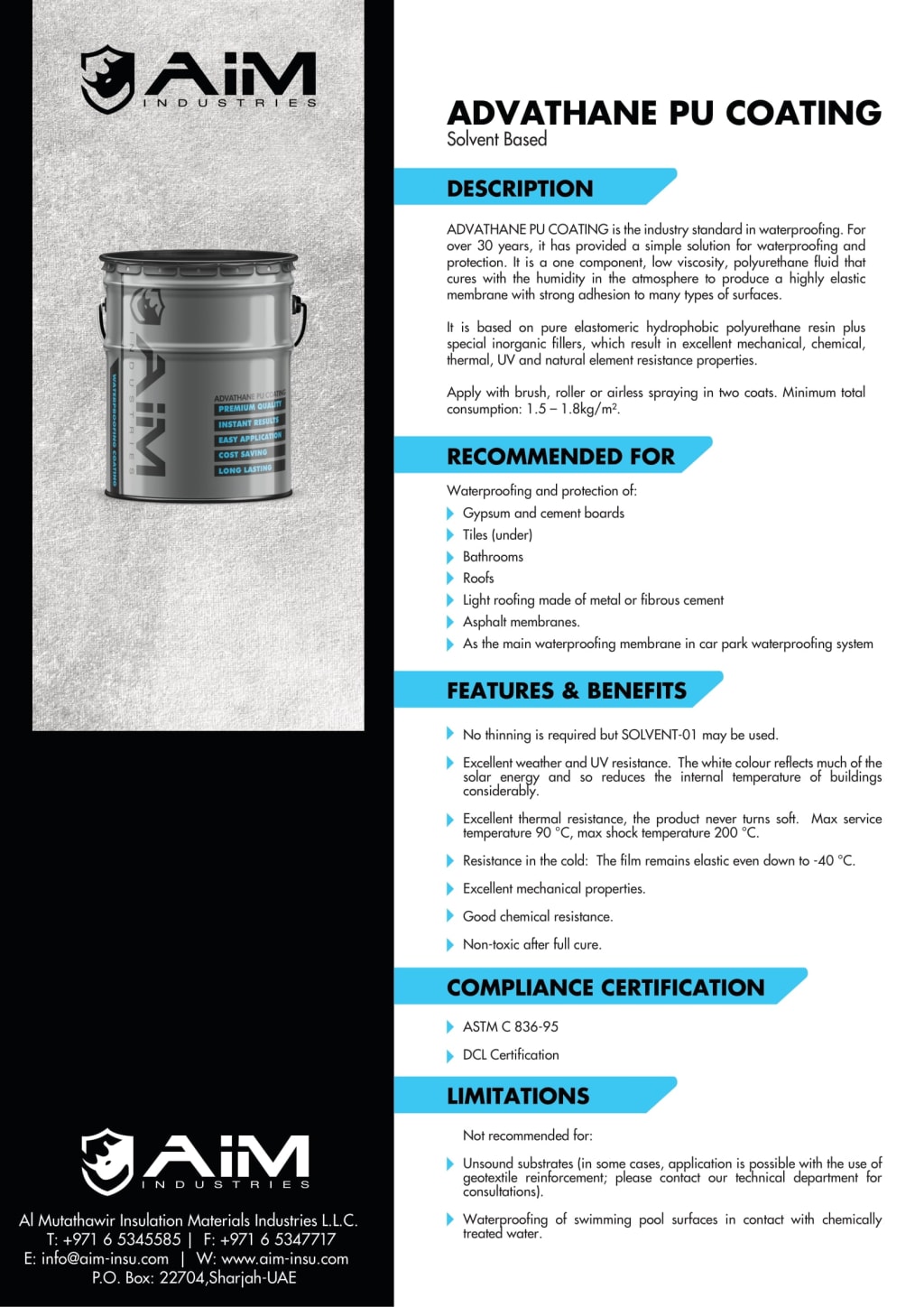
When it comes to waterproofing solutions, polyurethane waterproof coating is one of the most reliable and effective options available. Whether you're working on residential projects or large commercial developments, polyurethane coatings provide unmatched protection against water damage, abrasion, and environmental stress. In this guide, we’ll dive into everything you need to know about polyurethane waterproof coatings, including why they’re considered the best, their applications, and how to select the right one for your needs.
What is Polyurethane Waterproof Coating?
Polyurethane coating is a type of synthetic polymer known for forming strong, durable, and flexible protective layers over surfaces. It’s designed to prevent water penetration, offering a high level of protection for buildings, roofs, and various structures. This material can be applied to different surfaces, including concrete, metal, wood, and more, making it highly versatile in both indoor and outdoor environments.
Polyurethane is renowned for its chemical resistance, durability, and high-performance finish. The ability to bond seamlessly to surfaces makes it an ideal choice for areas exposed to constant moisture or environmental elements.
Visit: https://www.aim-insu.com/polyurethane-coatings.php
Why Polyurethane Coatings Are the Best?
When looking for the best polyurethane coating, it’s important to consider the following benefits that set it apart from other waterproofing materials:
Superior Waterproofing Properties: Polyurethane coatings create a watertight barrier that prevents any liquid from seeping into the surface. This is especially important for roofs, balconies, terraces, and basements that are exposed to frequent rain or water contact.
Flexibility and Elasticity: Unlike rigid coatings, polyurethane has a flexible composition. It can expand and contract with temperature changes without cracking or peeling. This makes it suitable for surfaces that undergo thermal expansion or vibration.
Chemical Resistance: Polyurethane is highly resistant to a wide range of chemicals, including oils, acids, and solvents. This makes it ideal for industrial settings where chemical exposure may otherwise damage surfaces.
Durability and Abrasion Resistance: In areas prone to heavy foot traffic or mechanical wear, polyurethane coatings offer excellent abrasion resistance. This is particularly useful for floors, parking garages, and industrial spaces.
High Gloss and Aesthetic Appeal: One of the standout features of polyurethane coatings is the high-gloss finish they provide. Not only do they protect the surface, but they also improve the overall appearance, making surfaces look polished and clean.
UV Resistance: Polyurethane waterproofing can also be enhanced with UV-resistant properties, ensuring that surfaces exposed to sunlight do not degrade or lose their color over time.
Fast Curing Time: Many polyurethane coatings have a quick curing time, meaning you won’t have to wait long before using the area again. This is especially beneficial for projects on tight timelines.
Applications of Polyurethane Waterproofing
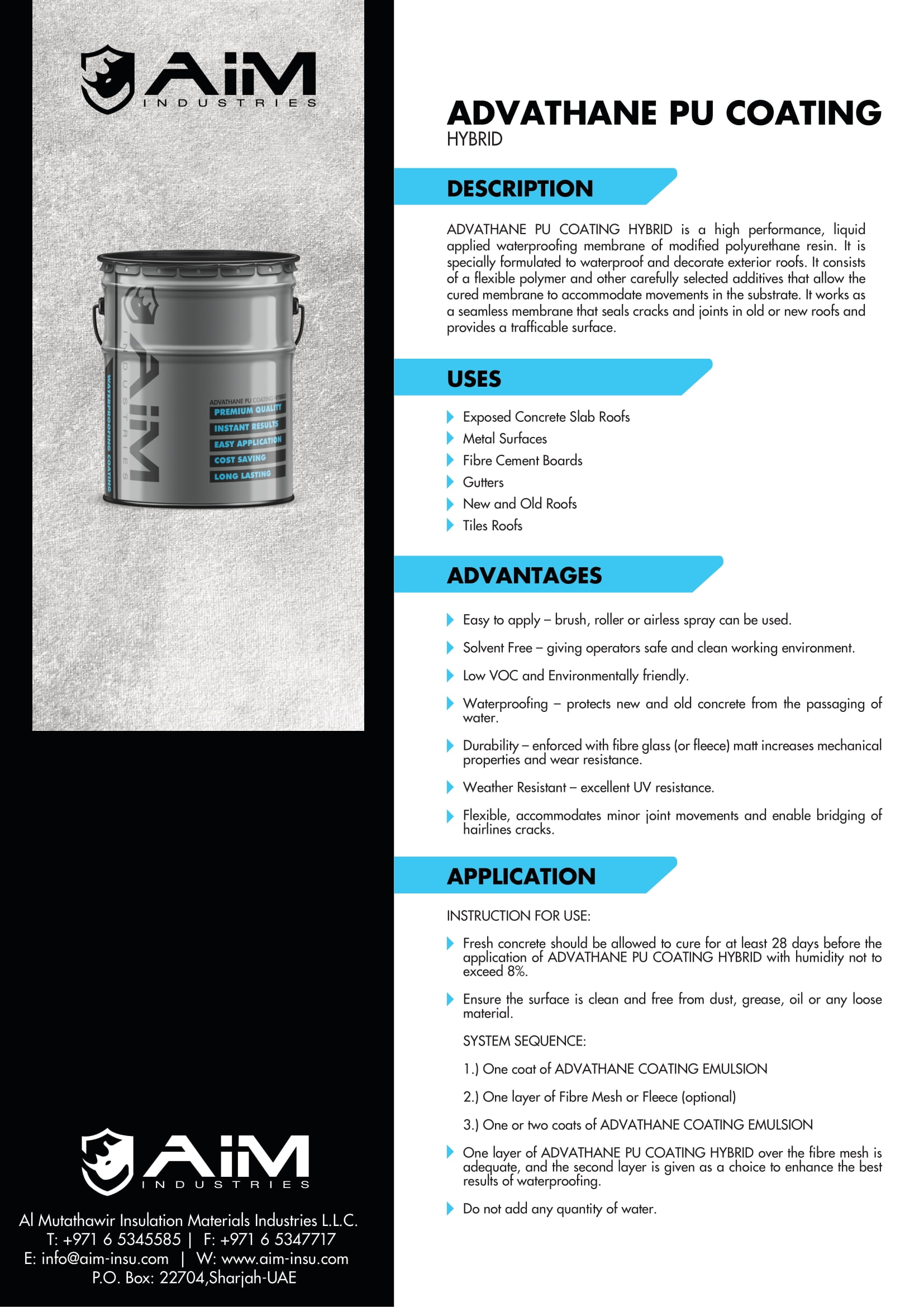
Polyurethane waterproofing can be applied across a wide range of projects, making it a go-to solution for both homeowners and professionals. Here are some of the most common uses:
Roof Waterproofing: One of the most popular applications of polyurethane is on flat or sloped roofs. The coating provides an impermeable layer that protects the roof from leaks, standing water, and harsh weather conditions. It also reflects UV rays, which helps regulate building temperatures.
Balconies and Terraces: Exposed areas like balconies and terraces need effective waterproofing to prevent water from seeping into the structure. Polyurethane coatings are particularly useful here as they can expand and contract with the structure, providing long-lasting protection.
Bathrooms and Wet Areas: Wet areas such as bathrooms, showers, and kitchens are prone to constant exposure to water. Polyurethane waterproof coatings are an excellent solution for sealing tiles and grout lines to prevent water from penetrating beneath the surface.
Basements and Foundations: Water seeping into basements or foundations can cause serious structural damage. Applying a polyurethane coating ensures that these areas remain dry and structurally sound, even in areas with high water tables.
Industrial Flooring: Polyurethane’s durability and chemical resistance make it an ideal choice for industrial flooring. It can withstand heavy machinery, spills, and wear and tear, ensuring that the floors remain in top condition for years.
Bridges and Infrastructure: Large infrastructure projects, like bridges, often use polyurethane waterproofing to protect against water and environmental damage. Its ability to resist corrosion and environmental stress makes it invaluable in these settings.
Choosing the Best Polyurethane Coating for Your Project
Not all polyurethane coatings are created equal, so selecting the best polyurethane coating for your project involves considering a few key factors:
Type of Surface: Polyurethane coatings can be tailored for specific surfaces such as concrete, metal, or wood. Make sure you select a formulation designed for the material you are working with.
Level of Exposure: Consider how much exposure the surface will have to elements like sunlight, chemicals, or mechanical wear. Some coatings are enhanced with UV protection or higher abrasion resistance for surfaces that will endure heavy use.
Application Method: Polyurethane coatings can be applied via roller, brush, or spray, depending on the formulation. Ensure that you choose a method that’s practical for your application.
Thickness of Coating: Depending on the surface and intended use, you may need a thicker or thinner coating. A thicker coating may be necessary for areas prone to heavy wear or frequent water exposure.
Aesthetic Considerations: If appearance matters, choose a polyurethane coating with the desired finish, whether it’s high-gloss, satin, or matte. Some formulations can even be tinted to match your aesthetic preferences.
How to Apply Polyurethane Waterproof Coating
Applying polyurethane waterproof coating is a straightforward process, but it requires attention to detail to ensure the best results. Here’s a step-by-step guide:
Surface Preparation: Ensure the surface is clean, dry, and free from any dust, oil, or loose material. Any cracks or gaps should be filled and leveled before applying the coating.
Primer Application: For certain surfaces, applying a primer is recommended to promote better adhesion of the polyurethane coating.
First Coat: Using a roller, brush, or spray gun, apply the first coat of polyurethane. Make sure the coat is even and thin, avoiding any puddles or drips.
Curing Time: Allow the first coat to dry as per the manufacturer’s instructions. Polyurethane coatings typically cure quickly, but it’s essential to follow the specified drying time to ensure proper adhesion.
Second Coat: Apply a second coat after the first one has dried completely. For areas with high water exposure or wear, a third coat may be necessary.
Final Inspection: After the coating has fully cured, inspect the surface for any missed spots or uneven areas and touch them up if necessary.
For Learn more information Follow here : https://www.aim-insu.com/polyurethane-coatings.php
About the Creator
Enjoyed the story? Support the Creator.
Subscribe for free to receive all their stories in your feed.
Comments
There are no comments for this story
Be the first to respond and start the conversation.