
Policing the Vote: The Court Battle Over DHS Voter Investigations
Sweeping Operations Draw Fire Flawed Data and Intimidation Concerns The Judge’s Restrictions DHS Defends Its Mission Broader Conflict Over Election Integrity Impact on Voters What Comes Next

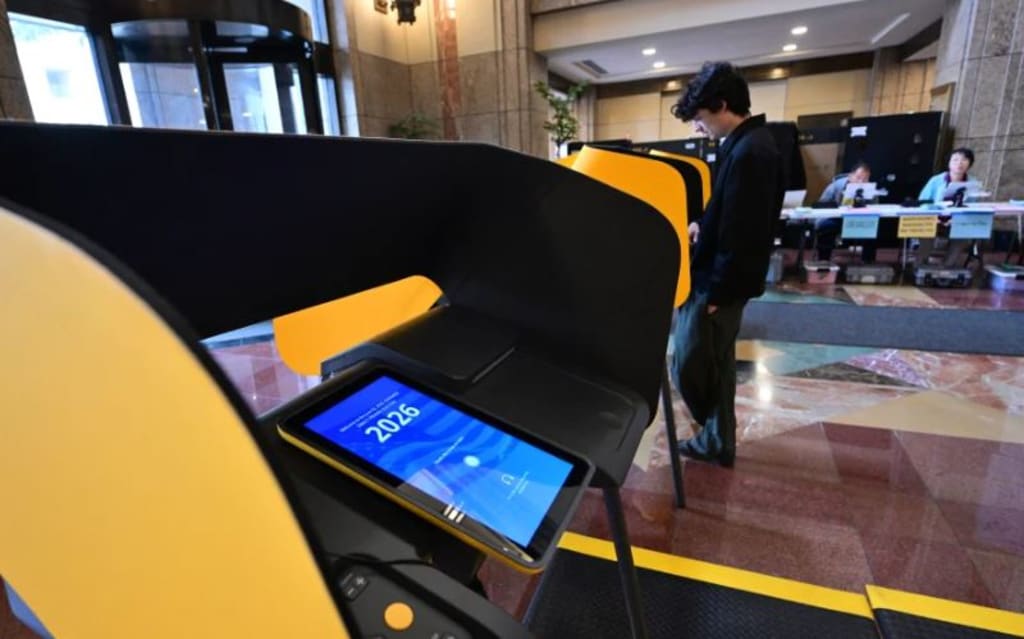
A federal judge in California has imposed urgent limits on pre‑election operations by the Department of Homeland Security, finding the agency’s campaign to root out noncitizen voting built on flawed information and likely intended to intimidate. The order comes weeks before midterm elections and caps months of tension over how far federal authorities may go in policing voter rolls.
Sweeping Operations Draw Fire
In recent weeks, Homeland Security Investigations (HSI) agents have been dispatched to interview individuals suspected of voting as noncitizens, including some who may have cast ballots before completing naturalization. The initiative targets nine states: California, Connecticut, Georgia, Missouri, Nevada, New York, Pennsylvania, Washington, and Wisconsin. Critics argue the timing, armed presence, and public announcements amount to a show of force rather than careful investigation.
The effort follows a whistleblower report from within U.S. Citizenship and Immigration Services alleging officials were directed to rush data matching to build target lists that, the report warned, included actual U.S. citizens.
Flawed Data and Intimidation Concerns
U.S. District Judge Araceli Martínez‑Olguín found the government’s approach legally vulnerable. In her ruling, she wrote that the data driving the initiative is “flawed” and that the highly publicised visits create “an objectively reasonable fear of law enforcement entanglements” that discourages people from voting or helping others do so, a potential violation of the Voting Rights Act.
Evidence cited in the case includes:
Social media posts from HSI itself publicising arrests and accusations.
Admissions from USCIS officials that citizens could be “erroneously identified,” a risk they described as “low possibility” but real.
Accounts from naturalised citizens who reported feeling targeted, afraid to attend rallies, and hesitant to serve as poll workers or vote in person.
The Judge’s Restrictions
The order, effective Friday and lasting through election night, bars DHS agents from:
Targeting anyone they know, suspect, or should reasonably suspect is a U.S. citizen.
Conducting field operations based “wholly” on USCIS data matches without further independent verification.
It does not halt all investigations outright, but it sharply narrows who may be approached and how. The federal government retains the option to appeal.
DHS Defends Its Mission
The Department of Homeland Security has stood by its work. “DHS is lax on identifying, prosecuting, and removing aliens who vote and dilute the votes of U.S. citizens,” the agency stated. “ONLY Americans should elect American leaders.” Officials maintained they have no intention of pursuing citizens and said safeguards are already in place to prevent mistaken targeting.
Broader Conflict Over Election Integrity
The court fight is just one front in a widening dispute:
The Department of Justice is separately suing California, demanding the state segregate roughly 20,000 ballots cast by people federal officials say are “likely” noncitizens.
Los Angeles County officials pushed back, finding many of those registrations were already cancelled, inactive, or belonged to people born in the United States.
Federal prosecutors announced charges Monday against 28 green card holders in California accused of voting or registering illegally.
Independent studies and state audits consistently find noncitizen voting to be exceedingly rare far less common than public rhetoric suggests.
Impact on Voters
Advocacy groups including Voto Latino Foundation, alongside San Francisco and Santa Clara counties and labour organisations, brought the lawsuit to block the operations. Beau Tremitiere with Protect Democracy called the ruling “a vital principle of our democracy: Voting is a fundamental right that citizens whether born here or naturalised, should be able to exercise without armed government agents harassing them.”
Naturalised citizens have told researchers they are already changing behaviour, avoiding polling places, declining volunteer roles, and staying home from events, a chilling effect the judge cited as central to her decision.
What Comes Next
The order remains in effect through election night, but uncertainty persists:
Will the Department of Justice appeal to a higher court before voting concludes?
Will state officials cooperate with federal demands to segregate ballots, or continue pushing back?
Will the narrowed field operations still have a measurable effect on turnout in targeted districts?
For now, the message is clear: the courts will not allow unverified lists and armed visits to replace due process, but the struggle over who votes, and who oversees it, is far from settled.
About the Creator
Mark Lim
Hi I am mark an automotive student and a car, tech and food enthusiast ! Im gonna try and post daily & hope you enjoy what I write and do share my page with people you know. I would gladly appreciate it! Cheers
Enjoyed the story? Support the Creator.
Subscribe for free to receive all their stories in your feed.
Comments
There are no comments for this story
Be the first to respond and start the conversation.