
Policing the Polls: The Justice Department’s Unprecedented Election Monitoring Effort
A Nationwide Effort Takes Shape New Process, New Concerns Wyoming Sets a Precedent Targeted Selection or Political Motive? Friction Between Levels of Government The Shadow of Past Claims Conclusion

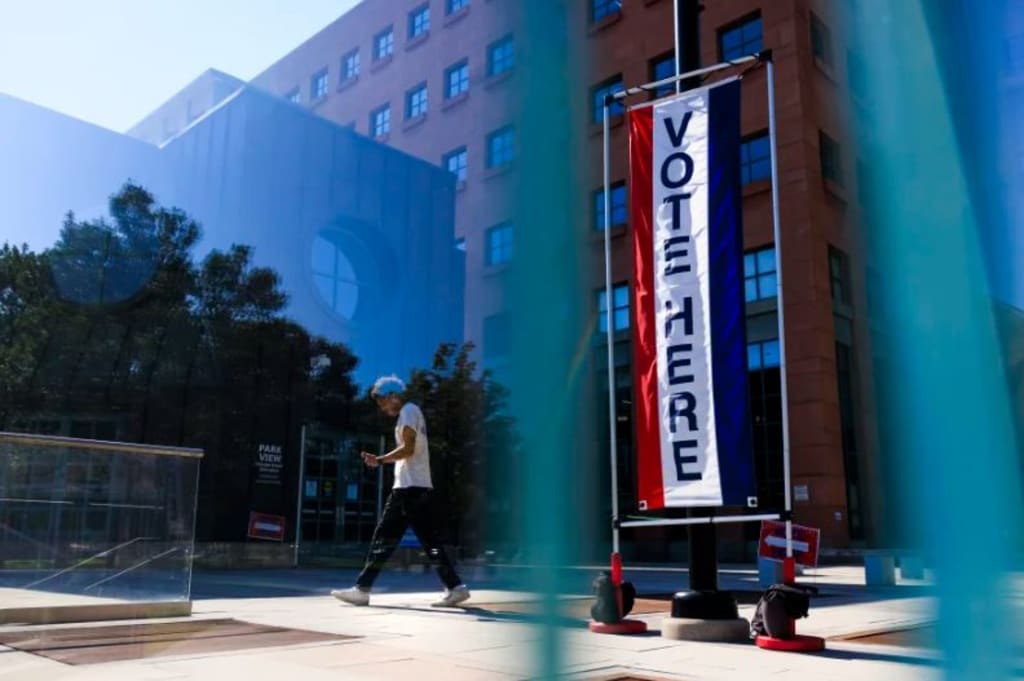
The U.S. Department of Justice has begun notifying local jurisdictions that they will receive federal monitors on Election Day, launching what Civil Rights Division head Harmeet Dhillon has called “the largest monitoring effort” in the department’s history. Counties in Colorado, Florida, Minnesota, Texas, and Washington have received notices so far, with the list continuing to grow. While observing elections is a long‑standing responsibility of the department, the scale, timing, and transparency of this year’s campaign have raised alarms among state and local officials, who fear the effort could be used to disrupt rather than safeguard the vote.
A Nationwide Effort Takes Shape
Under normal circumstances, the Justice Department sends monitors to a limited number of jurisdictions to ensure compliance with federal voting rights laws. In the last midterm election of 2022, for example, monitors were deployed across 24 states. This cycle, however, the scope appears far broader. Dhillon announced plans for nationwide coverage, yet key details the final number of monitors, the full list of locations, and the criteria guiding selection remain undisclosed. A department spokesperson confirmed specifics will be shared “closer to the election,” leaving states scrambling to understand who will be arriving and why.
New Process, New Concerns
One immediate point of friction is how notifications have been handled. Historically, state and local officials were informed simultaneously. This year, counties received direct notice first, leaving state election leaders unaware of deployments within their own borders until they could follow up. Only after NPR raised the discrepancy did the department begin notifying state authorities. This lack of coordination has heightened anxiety about transparency and whether the monitors will operate within established state protocols.
Wyoming Sets a Precedent
Doubts are not merely theoretical. During Wyoming’s August primary, two federal monitors were described by the state’s Republican governor and local election officials as “aggressive” and “irregular,” with conduct that “showed complete disregard for our state laws.” The Justice Department disputed the characterisation, noting the monitors did nothing improper, and Dhillon held a follow‑up meeting with state officials afterward. The incident has cast a long shadow: if monitors clashed with authorities in a reliably Republican state, other jurisdictions wonder what awaits them.
Targeted Selection or Political Motive?
In Colorado, Adams County which contains part of the competitive 8th Congressional District received a notice, while neighbouring Weld County, also within the district, did not. Adams County’s clerk, Democrat Josh Zygielbaum, called the discrepancy “potentially an intimidation technique.” The Justice Department explained the choice was based on Section 203 of the Voting Rights Act, which mandates language assistance for Spanish‑speaking voters a provision applying to Adams but not Weld County. Zygielbaum remained unconvinced, noting the administration’s well‑documented hostility toward voting processes in diverse communities. Adding to suspicions, NPR previously reported that officials focused on alleged noncitizen voting circulated a list of jurisdictions covered by Section 203 alongside a checklist for prosecuting voter‑related offences.
Friction Between Levels of Government
Jurisdictions are responding differently to the looming presence of federal observers:
Colorado is reviewing the request; state rules typically require observers to have permission from the secretary of state unless a court orders otherwise. Zygielbaum has already requested additional state staff to oversee the monitors.
Minnesota saw monitors denied access during its August primary; it remains unclear whether the decision will stand for November.
Texas, where Attorney General Ken Paxton successfully blocked Biden‑era monitors in 2024, has already signalled resistance. Paxton, now a Republican Senate candidate, has asserted the department “has no authority” to monitor Texas elections.
The Shadow of Past Claims
The backdrop to every deployment is President Trump’s persistent repetition of unsubstantiated claims about widespread fraud, including false assertions that noncitizens are voting in large numbers. Experts worry these narratives could provide pretext for federal intervention seizing ballots, interrupting counting, or questioning legitimacy actions that would undermine confidence in results regardless of outcome. Most primary season incidents were unremarkable, but the fear is that November could bring escalation.
Election monitoring exists to reassure the public, not alarm it. For that trust to hold, processes must be clear, criteria public, and coordination consistent. This year’s approach sweeping in scale, late in notification, thin on detail, and shadowed by contested primaries and unproven claims has failed those standards. The department insists its mission is legal and impartial; state and local officials have a duty to ensure their processes remain respected. As monitors deploy and votes are cast, the question will not just be whether the election proceeds, but whether everyone believes it did so fairly.
About the Creator
Mark Lim
Hi I am mark an automotive student and a car, tech and food enthusiast ! Im gonna try and post daily & hope you enjoy what I write and do share my page with people you know. I would gladly appreciate it! Cheers
Enjoyed the story? Support the Creator.
Subscribe for free to receive all their stories in your feed.
Comments
There are no comments for this story
Be the first to respond and start the conversation.