
Phototherapy Lamp Market Impacting Factor: Rising Incidence of Skin Disorders Driving Demand
Phototherapy Lamps Market Impacting Factor
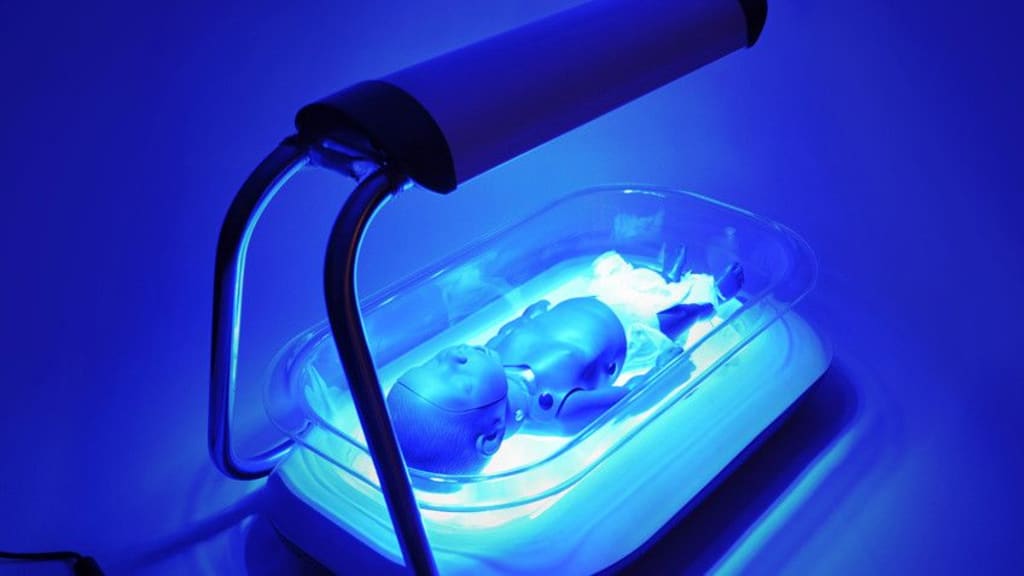
The phototherapy lamps market impacting factor is an essential area of focus, as it highlights the various elements that influence the demand and growth of this sector. Phototherapy lamps are widely used in treating skin conditions, mood disorders, and neonatal jaundice. Understanding the impacting factors is crucial for stakeholders, including manufacturers, healthcare providers, and policymakers. This essay discusses five key impacting factors: technological advancements, rising incidence of skin disorders, increased mental health awareness, regulatory support, and changing consumer preferences.
1. Technological Advancements
One of the most significant impacting factors in the phototherapy lamps market is technological advancements. Innovations in lamp design and functionality, particularly the development of LED technology, have transformed the industry. Modern phototherapy lamps are more efficient, portable, and user-friendly compared to their predecessors. New features such as adjustable wavelengths and timers enhance the effectiveness of treatments, making them more appealing to both healthcare providers and patients. As technology continues to evolve, it opens up new possibilities for phototherapy applications, thereby increasing market demand.
2. Rising Incidence of Skin Disorders
The rising incidence of skin disorders is another crucial impacting factor in the phototherapy lamps market. Conditions such as psoriasis, eczema, and acne are becoming increasingly prevalent, leading to a higher demand for effective treatment solutions. Phototherapy has proven effective in managing these conditions, as it uses specific wavelengths of light to reduce inflammation and promote healing. As more patients seek relief from these chronic skin issues, healthcare providers are increasingly adopting phototherapy lamps, driving market growth. The escalation in skin disorder cases underscores the need for innovative therapeutic options, making phototherapy lamps vital in dermatological care.
3. Increased Mental Health Awareness
In recent years, there has been a significant rise in mental health awareness, which is a notable impacting factor for the phototherapy lamps market. Seasonal affective disorder (SAD) affects a substantial portion of the population, particularly in regions with limited sunlight during winter months. Phototherapy is recognized as an effective treatment for SAD, helping individuals alleviate symptoms through exposure to bright light. As more people become aware of mental health issues and the potential benefits of light therapy, the demand for phototherapy lamps is expected to rise. This increased focus on mental well-being is encouraging healthcare providers to incorporate phototherapy into their treatment options.
4. Regulatory Support
Regulatory support is another important impacting factor in the phototherapy lamps market. Government agencies and health organizations increasingly recognize the importance of phototherapy in treating various conditions. Guidelines and regulations that endorse the use of phototherapy lamps foster confidence among healthcare providers and encourage them to adopt these treatments. This regulatory backing not only enhances the credibility of phototherapy but also drives awareness among patients. As regulations evolve to promote effective treatment options, the phototherapy lamps market is likely to expand further.
5. Changing Consumer Preferences
Finally, changing consumer preferences significantly impact the phototherapy lamps market. Today's patients are more informed and proactive about their health, seeking alternative and non-invasive treatments. The preference for home healthcare solutions is also on the rise, as individuals look for convenient ways to manage their health. Phototherapy lamps that cater to home use are gaining popularity, particularly among patients who prefer self-treatment options. This shift in consumer behavior encourages manufacturers to innovate and create more accessible and user-friendly products, driving market growth.
Conclusion
In summary, the phototherapy lamps market impacting factor is shaped by technological advancements, the rising incidence of skin disorders, increased mental health awareness, regulatory support, and changing consumer preferences. By understanding these factors, stakeholders can make informed decisions that enhance the adoption and efficacy of phototherapy treatments. As the demand for effective light-based therapies continues to grow, the phototherapy lamps market is well-positioned for future expansion, contributing to improved health outcomes for patients across various demographics.
About the Creator
Enjoyed the story? Support the Creator.
Subscribe for free to receive all their stories in your feed.
Comments
There are no comments for this story
Be the first to respond and start the conversation.