
Phosphorus Acid Production Plant Cost Analysis 2025: Detailed Process Flow, Setup & Machinery
Phosphorus acid is a colorless, crystalline compound distinguished by its role as a key intermediate in the synthesis of various phosphorus-based products. Despite its formula suggesting three acidic hydrogen, it is a diprotic acid, meaning it donates two protons. Readmore...

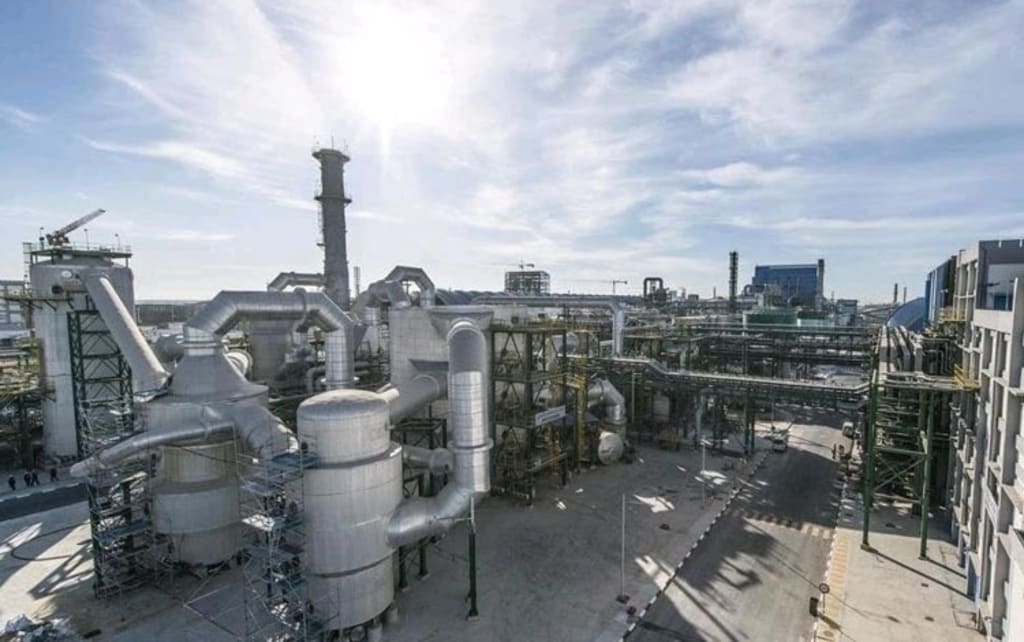
Setting up phosphorus acid production plant is gaining considerable attention in 2025 as global demand for phosphorus-based compounds continues to rise across multiple industrial segments. Entrepreneurs, investors, and micro, small, and medium enterprises (MSMEs) are increasingly exploring this sector due to its scalability, recurring demand, and significant potential for downstream integration in agrochemicals, water treatment, and flame retardant production.
This comprehensive project report delves into the technical and commercial aspects of setting up a phosphorus acid production plant, covering the manufacturing process, raw material requirements, machinery requirements, cost breakdown, and setup cost analysis. Additionally, the report evaluates the key economic aspects necessary to assess project viability.
What is Phosphorus Acid?
Phosphorus acid, chemically known as H₃PO₃, is a colorless, crystalline compound that serves as an intermediate in the production of various phosphorus-based products. It is a diprotic acid, meaning it can donate two protons, and it exhibits strong reducing properties. Phosphorus acid is commonly produced through the controlled hydrolysis of phosphorus trichloride (PCl₃) with water. The acid is soluble in water and alcohol, and it decomposes upon heating to release phosphine gas and phosphoric acid. It is distinct from phosphoric acid (H₃PO₄) in both structure and chemical behavior. Due to its reducing capabilities and ability to form phosphonate compounds, phosphorus acid is widely used in industrial processes. It plays a key role in the formulation of agrochemicals, corrosion inhibitors, and water treatment chemicals. Its applications span agriculture, metallurgy, and specialty chemicals, making it a valuable component in both large-scale and niche industrial operations.
Request for a Sample Report: https://www.imarcgroup.com/phosphorus-acid-manufacturing-plant-project-report/requestsample
Uses and Applications of Phosphorus Acid in Industries
• Agrochemicals: Used in the manufacture of fungicides and plant nutrients.
• Water Treatment: Acts as a precursor for scale and corrosion inhibitors.
• Chemical Manufacturing: Employed in producing phosphonates and phosphites for detergents and cleaning agents.
• Textile Industry: Used as a flame retardant additive in fabric treatment.
• Metal Treatment: Functions as a reducing agent and surface treatment chemical.
• Pharmaceuticals: Serves as an intermediate in the synthesis of organophosphorus compounds.
• Plastics and Polymers: Added as a stabilizer or flame retardant in polymer formulations.
Phosphorus acid’s versatile chemical properties make it a key input in various industrial sectors requiring phosphorus-based derivatives.
Raw Material Requirements for Production
Securing the right raw material requirements is essential for uninterrupted production. The primary raw materials include:
• Phosphorus Trichloride (PCl₃): The principal feedstock, generally sourced from chlorination of white phosphorus. It requires secure, moisture-free storage.
• Deionized Water: Used for controlled hydrolysis. Water quality affects the final purity of phosphorus acid.
• Neutralizing Agents: Chemicals such as caustic soda may be required to neutralize by-products like hydrogen chloride during scrubbing.
• Anti-corrosion Additives: Depending on the plant's operational requirements, additives may be used to protect pipelines and reactors.
Reliable sourcing, quality assurance, and supply chain planning for these materials are critical for maintaining consistency in output and cost-efficiency.
Machinery Requirements and Equipment Overview
Investors and entrepreneurs must consider robust machinery requirements to ensure operational efficiency and safety. The core machinery and support systems typically include:
1. Reactor Vessel: Constructed from corrosion-resistant alloys or glass-lined steel, capable of managing exothermic hydrolysis.
2. Scrubbing System: Essential for capturing and neutralizing hydrogen chloride gas emissions. Packed bed scrubbers with alkali circulation are commonly used.
3. Storage Tanks: Used for storing raw materials (PCl₃, water) and finished product. These must comply with hazardous chemical storage norms.
4. Filtration Units: Employed to purify the product before final storage or packing.
5. Heat Exchangers: Integrated to manage heat dissipation during the reaction and reduce energy costs.
6. Pumps and Piping Systems: Designed to handle corrosive fluids and maintain process integrity.
7. Automation and Safety Controls: Programmable logic controllers (PLCs), leak detection systems, and emergency shut-off valves form the operational backbone.
Equipment selection should align with the planned production scale, desired purity levels, and regional environmental regulations.
Cost Breakdown of Setting Up a Phosphorus Acid Plant
A detailed cost breakdown provides stakeholders with a clear view of investment allocation across major components. Though actual figures depend on plant capacity and location, typical cost heads include:
• Land and Infrastructure: Costs associated with land acquisition, construction, utilities, and compliance approvals.
• Machinery and Equipment: Capital investment in reactors, scrubbers, filtration systems, and process automation.
• Raw Material Procurement: Initial stocking and working capital allocation for phosphorus trichloride, water, and other process chemicals.
• Labor and Training: Skilled manpower for operations, safety handling, and process control.
• Regulatory Compliance: Expenses related to obtaining environmental clearances, safety audits, and waste disposal licensing.
• Contingency and Insurance: Provisions for operational contingencies, plant insurance, and risk management.
A well-planned setup cost analysis ensures efficient capital deployment and minimizes unforeseen expenditures during commissioning.
Setup Cost Analysis: Strategic Considerations
While the upfront capital expenditure is significant, a thorough setup cost analysis should go beyond initial costs to assess long-term sustainability. Key considerations include:
• Plant Location: Proximity to raw material suppliers and end-user markets can influence logistics costs and delivery timelines.
• Utilities Availability: Adequate and reliable electricity, water, and waste treatment infrastructure is essential.
• Scalability: Designing for future capacity expansion helps optimize long-term returns.
• Automation Integration: Initial investment in automation may reduce long-term operational costs and enhance product consistency.
• Waste Management Systems: Compliance with environmental regulations requires efficient systems to handle acidic by-products and emissions.
Cost optimization also involves comparing in-house construction versus turnkey project execution from specialized engineering firms.
Key Economic Aspects and Market Potential
Understanding the key economic aspects of the phosphorus acid industry is vital for assessing project feasibility. These include:
• Growing Demand from Agrochemical Sector: Phosphorus acid is a precursor for several herbicides and fungicides, supporting demand growth in the agricultural economy.
• Export Potential: Countries with phosphorus reserves or competitive production costs can develop export-oriented units.
• Regulatory Framework: Adherence to safety and environmental standards opens opportunities in regulated markets.
• Price Volatility of Raw Materials: Fluctuating prices of phosphorus and chlorine-based inputs can affect profitability, necessitating supply contracts and hedging strategies.
• Operational Efficiency: Continuous process improvement and preventive maintenance can significantly enhance profit margins over time.
These economic variables, combined with strategic planning, determine the long-term viability and success of the production facility.
Ask Analyst for Customized Report: https://www.imarcgroup.com/request?type=report&id=23123&flag=C
Conclusion
Setting up phosphorus acid production plant operations in 2025 presents a strategic opportunity for businesses seeking entry into the chemicals and agro-inputs market. The combination of growing industrial applications, relatively mature technology, and consistent demand make it an attractive investment proposition. However, careful planning around raw material requirements, machinery requirements, cost breakdown, and a detailed setup cost analysis is essential to ensure technical feasibility and economic sustainability.
For MSMEs and new investors, aligning with experienced consultants and EPC contractors can further streamline the setup process, while adhering to regulatory frameworks ensures uninterrupted operations and market credibility. As global trends continue to favor phosphorus-based derivatives, the market outlook for phosphorus acid production remains robust, making it a promising area for industrial growth.
About the Creator
jamie cooke1296
IMARC Group is a global management consulting firm that helps the world’s most ambitious changemakers to create a lasting impact.
Enjoyed the story? Support the Creator.
Subscribe for free to receive all their stories in your feed.
Comments
There are no comments for this story
Be the first to respond and start the conversation.