
Peanut Butter Manufacturing Plant Feasibility Report: A Friendly Guide to Getting Started
Establishing a peanut butter manufacturing plant presents a rewarding business opportunity for entrepreneurs looking to capitalize on the expanding market for healthy, protein-rich food products.

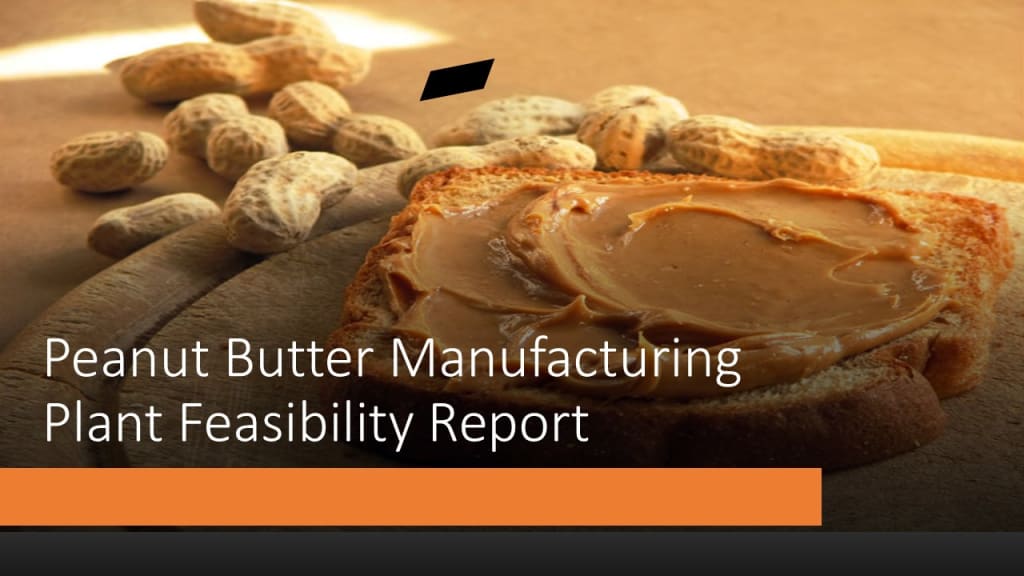
Starting a peanut butter manufacturing plant can be a rewarding business move for anyone aiming to tap into the growing market for healthy, protein-rich food products. Peanut butter manufacturing plant setup cost generally includes expenses for land, building construction, machinery, utilities, manpower, and working capital — all of which vary depending on production scale and automation level. This feasibility report breaks down the key aspects of planning, investment, and operation to help decide if this venture suits specific goals and resources.
Understanding the Market for Peanut Butter
Peanut butter has witnessed a steady rise in global demand, attributed to its palatable flavor, nutritional benefits, and multifaceted applications. Commonly consumed as a spread, it also serves as a key component in baked goods, health-oriented snacks, protein-enriched bars, and various culinary preparations. Growing health consciousness and evolving dietary preferences continue to drive market expansion, presenting attractive prospects for both emerging enterprises and established food manufacturers.
Prior to committing capital, it is essential to analyze regional consumption behavior, the competitive landscape, distribution frameworks, and the viability of export markets. A thorough understanding of the intended consumer demographic is critical in shaping product variants, selecting appropriate packaging formats, and formulating effective promotional strategies.
Key Production Requirements
Producing peanut butter involves multiple steps that must be planned carefully for quality and efficiency.
Basic process steps include:
• Raw Peanut Selection and Sorting: Good quality peanuts are sorted and cleaned to remove debris.
• Roasting: Peanuts are roasted to bring out flavor and aroma.
• Cooling and Blanching: Roasted peanuts are cooled and the skins removed.
• Grinding: Peanuts are ground into a smooth paste. Additional ingredients like salt, sugar, or stabilizers may be added at this stage.
• Filling and Packaging: Finished peanut butter is filled into jars or pouches and sealed.
• Labeling and Storage: Products are labeled, batch-coded, and stored properly for distribution.
Request for a Sample Report: https://www.imarcgroup.com/peanut-butter-manufacturing-plant-project-report/requestsample
Each step requires appropriate equipment and skilled operators to maintain consistent taste, texture, and hygiene standards.
Location and Infrastructure
While a peanut butter production facility does not require an expansive footprint, it must adhere strictly to established food safety and hygiene standards. The layout should incorporate clearly defined areas for raw material storage, roasting, milling, filling, packaging, finished product warehousing, and administrative functions. To maintain compliance with food-grade operational protocols, the premises must feature adequate ventilation systems, effective pest management measures, and surfaces designed for ease of sanitation and maintenance.
Choosing a location near peanut-growing regions can reduce raw material transportation costs and ensure steady supply. Good road connectivity helps with timely distribution to wholesalers, retailers, or directly to consumers.
Machinery and Equipment Needed
Key machinery for a typical peanut butter plant includes:
• Peanut roasting machines
• Cooling conveyors or trays
• Blanchers or skin removers
• Peanut grinders (primary and fine grinders)
• Mixers and homogenizers
• Filling and capping machines
• Labeling units
• Quality control instruments for moisture, oil content, and microbiological safety
Reliable, easy-to-clean, and food-grade machinery is vital for meeting health standards and minimizing maintenance downtime.
Human Resources and Workforce
Running the plant smoothly requires hiring trained personnel:
• Machine operators for roasting, grinding, and packing lines
• Quality control staff to test raw peanuts and final products
• Supervisors to manage production schedules
• Administrative staff for procurement, inventory, and sales coordination
• Marketing personnel to promote the brand and manage distribution channels
A properly trained team not only ensures consistent product quality but also upholds food safety practices.
Peanut Butter Manufacturing Plant Setup Cost: Main Factors
Setting up a peanut butter plant involves various cost components:
• Land and Building: Cost of purchasing or leasing land and constructing production, storage, and office areas.
• Machinery and Equipment: Investment in processing and packing machinery, installation, and testing.
• Utilities: Electrical connections for machinery, water supply for cleaning, and waste disposal systems.
• Regulatory Compliance: Costs for licenses, food safety certifications, and inspection approvals.
• Working Capital: Funds for purchasing peanuts in bulk, packaging materials, paying salaries, and covering initial operating expenses until sales generate steady income.
The total setup cost depends on desired production capacity, automation level, and local construction and labor rates. Preparing a detailed budget early on helps secure financing or attract investors.
Legal and Regulatory Requirements
Food businesses must comply with strict hygiene and labeling regulations. For a peanut butter plant, this means:
• Registering with the local food safety authority
• Obtaining manufacturing and trade licenses
• Meeting food safety management standards (such as HACCP or ISO certifications)
• Ensuring accurate ingredient labels, allergen declarations, and nutritional information
Staying compliant avoids legal issues, builds consumer trust, and helps expand into larger retail or export markets.
Financial Feasibility and Revenue Projections
Estimating profitability requires calculating production costs, packaging costs, and expected selling prices. Consider both fixed costs (land, building, machinery) and variable costs (raw peanuts, packaging, salaries, utilities).
A break-even analysis will show how many units need to be sold to cover costs and when the plant will start generating profit. A well-prepared financial plan can be shared with banks or investors to secure loans or equity funding.
Sustainability and Quality Focus
With increasing consumer preference for healthy and natural products, adding sustainability measures can be a good brand strategy. Use locally sourced peanuts, eco-friendly packaging, and energy-efficient machinery to lower the environmental footprint. Regular quality testing and clear labeling help maintain a good reputation and encourage repeat buyers.
A peanut butter manufacturing plant can be a profitable business with relatively simple production technology and steady demand. However, success depends on detailed planning, careful cost estimation, and commitment to food safety and quality. By understanding the full scope of the peanut butter manufacturing plant setup cost and aligning operations with market needs, entrepreneurs can build a brand that stands out in the growing health food market.
About the Creator
jamie cooke1296
IMARC Group is a global management consulting firm that helps the world’s most ambitious changemakers to create a lasting impact.
Enjoyed the story? Support the Creator.
Subscribe for free to receive all their stories in your feed.
Comments
There are no comments for this story
Be the first to respond and start the conversation.