
Parents' Guide to Stem Cell Therapy for Autism: Risks, Benefits, and Real Results!
Navigating Hope: A Compassionate Journey Through Revolutionary Autism Treatment Options
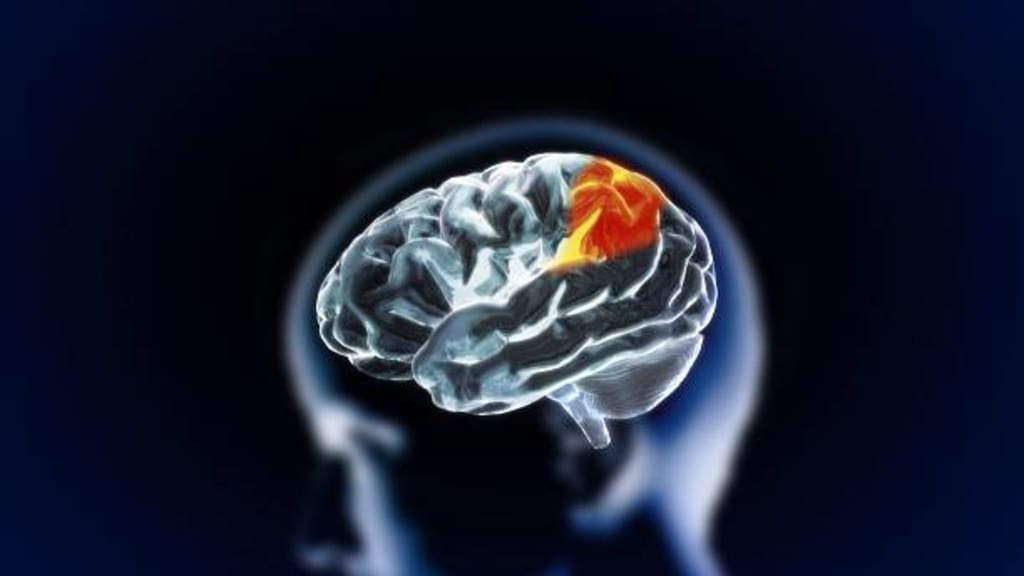
What is Stem Cell Therapy for Autism?
Stem cell therapy is a treatment that uses special cells, often sourced from the patient’s own body or from donors, to help repair or replace damaged cells. For autism, the therapy aims to address the brain and immune system, where autism-related issues often arise. Stem cell therapy for autism is still being researched, but it has shown some promise in managing symptoms and improving quality of life.
Imagine stem cells as little builders in the body, repairing and sometimes even replacing cells in areas that need it most. This approach has led to excitement among parents and researchers alike, as stem cells might help support brain function in children with autism.
Why Consider Stem Cell Therapy for Autism?
As a parent, you might be curious about stem cell therapy for autism, especially if traditional treatments haven’t offered much relief. Many families are looking for solutions that address the core symptoms of autism, such as communication challenges, social interaction difficulties, and behavioral issues.
Benefits of Considering Stem Cell Therapy for Autism:
Potential to Improve Symptoms: Stem cell therapy may help with social skills, speech, and overall behavior. It’s not a cure, but it might make symptoms easier to manage.
Focus on Brain and Immune Health: Autism often involves both brain and immune issues. Stem cells could address inflammation in the brain, potentially improving cognitive function.
Low Side Effect Profile: When using the patient’s own cells, side effects can be minimal. However, using donor cells can carry risks, so it’s essential to be informed.
For parents interested in exploring stem cell therapy further, Re stem cell south-africa offers valuable information and guidance on this treatment.
The Risks of Stem Cell Therapy for Autism
Like any medical treatment, stem cell therapy comes with risks. Understanding these risks can help you make an informed decision.
Key Risks to Be Aware of:
Immune Reactions: Some children may react to donor cells if their immune systems identify them as foreign. This risk is lower when using the child’s own cells.
Infection: With any injection or procedure, there is a small risk of infection.
Uncertain Long-Term Effects: Research on stem cell therapy for autism is still in its early stages, and long-term effects are not fully understood.
These risks vary based on the type of stem cells used, the clinic's quality, and each child’s unique medical situation. This is why it’s important to speak with a knowledgeable healthcare provider before deciding.
Real Results: What Do Parents Say?
Many parents have shared positive experiences with stem cell therapy for autism, reporting changes like increased eye contact, improved communication, and more social interaction. However, results can vary widely from child to child.
Real-World Examples
Increased Attention: Some parents notice their children become more focused and less easily distracted after stem cell treatments. They may stay engaged in activities for longer, which can be a huge step forward.
Improved Communication Skills: Speech and language delays are common in children with autism. In some cases, children who undergo stem cell therapy show improvement in speaking and understanding language.
Better Social Interaction: Parents have noted that children sometimes become more interested in social interaction, making eye contact more readily or showing affection more naturally.
It’s important to remember that every child’s experience with stem cell therapy is unique. Some families see significant improvements, while others may only notice small changes.
How Stem Cell Therapy Works for Autism
Stem cell therapy for autism typically involves using either the patient’s own cells or cells from a donor. There are two primary types of cells commonly used:
Mesenchymal Stem Cells (MSCs): Known for their healing properties, MSCs are often used to help reduce inflammation, which could benefit children with autism by supporting brain and immune health.
Umbilical Cord Cells: Donated after healthy births, these cells are also a common choice for treating autism. Umbilical cord cells are seen as highly versatile and offer regenerative potential.
The process itself is usually simple. After harvesting the cells, they’re injected into the body, where they travel to areas of inflammation or injury. For autism, the goal is for these cells to reach the brain and begin repairing affected areas.
What to Expect from Treatment
Stem cell therapy for autism doesn’t work instantly. It may take several months for parents to see any real changes. Treatment often involves multiple rounds, with the patient receiving injections every few months.
What Parents Can Expect During the Process:
Initial Assessment: Doctors will assess your child’s health and determine the best approach.
Harvesting and Preparing the Cells: If using the child’s own cells, doctors will take a sample (such as from bone marrow) and prepare it for injection.
Injection: The cells are injected through a simple procedure, often requiring only a short clinic visit.
Monitoring: After the treatment, you’ll monitor your child’s progress, tracking any improvements in communication, behavior, or social skills.
Some parents report early signs of improvement within weeks, while for others, it takes longer. Each child responds differently to treatment, so patience is key.
How to Decide if Stem Cell Therapy Is Right for Your Child
With so many therapies available for autism, deciding on stem cell therapy can be tough. Here are some factors to consider:
Discuss with Your Doctor: Stem cell therapy for autism is not universally recommended, and your doctor can help you weigh the pros and cons.
Research Your Options: Make sure the clinic you choose has a good track record. Look for providers that follow strict medical guidelines.
Assess Your Child’s Needs: Consider whether your child’s autism symptoms could be addressed by other means before committing to stem cell therapy.
For families seeking more details on clinics and options, R3 stem cell south-africa offers insights into local treatment availability and provides a helpful overview of potential results.
Final Thoughts
Stem cell therapy for autism is still in its early days but offers hope for families looking for new options. While the results vary, some children have shown real improvements in their communication and behavior. This therapy isn’t without risks, but many parents feel the potential benefits make it worth considering.
Ultimately, the decision to pursue stem cell therapy should be made carefully, keeping in mind your child’s unique needs and health status. By discussing your options with medical professionals and doing your own research, you’ll be well-equipped to make the best choice for your family.
About the Creator
Enjoyed the story? Support the Creator.
Subscribe for free to receive all their stories in your feed.
Comments
There are no comments for this story
Be the first to respond and start the conversation.