
Paper Bag Manufacturers in the Industry
5 Leading Paper Bag Manufacturers in the Industry
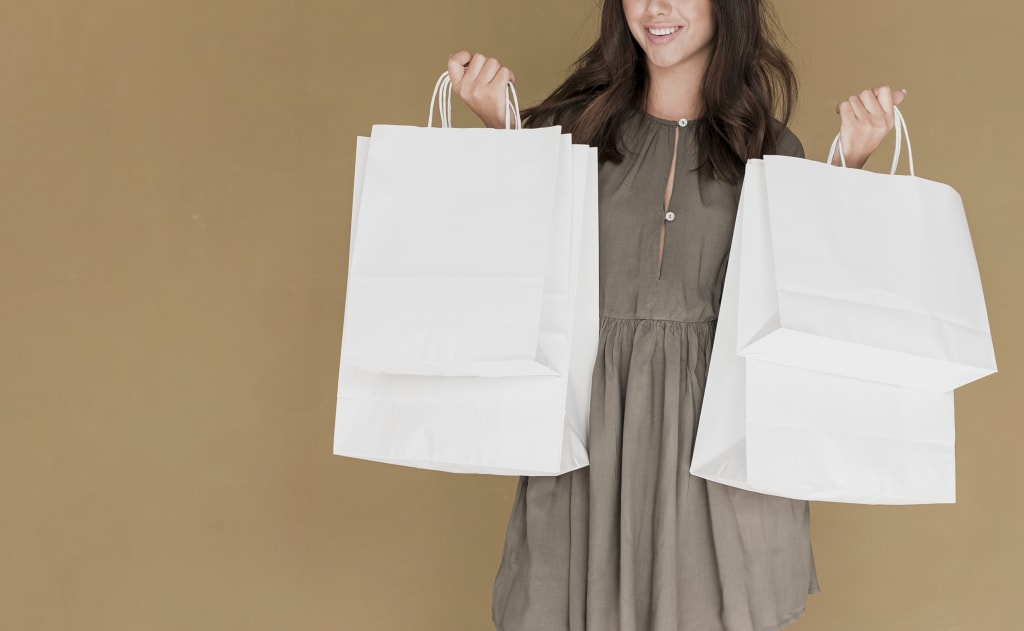
In recent years, the global push towards sustainability has significantly influenced various industries, with packaging being one of the most impacted sectors. Among the many eco-friendly alternatives, paper bags have emerged as a popular choice for businesses and consumers alike. This shift has led to a surge in demand for paper bag manufacturers, who play a crucial role in transitioning from plastic to more sustainable packaging solutions.
The Growing Demand for Paper Bags
The environmental impact of plastic bags has been well-documented, leading to increased awareness and regulation aimed at reducing their usage. Governments worldwide have implemented bans or imposed taxes on plastic bags, encouraging both retailers and consumers to seek alternatives. This has created a fertile ground for the paper bag manufacturing industry to thrive.
Paper bags, made from renewable resources like wood pulp, are biodegradable and recyclable, making them an environmentally friendly option. The shift towards paper bags is not just a trend but a response to the urgent need to reduce plastic waste. As a result, the demand for paper bags has skyrocketed, with manufacturers expanding their operations to meet this growing need.
Key Players in the Paper Bag Manufacturing Industry
The paper bag manufacturing industry is characterized by a mix of large-scale manufacturers and small to medium-sized enterprises (SMEs). Some of the key players in this industry have established themselves as leaders by focusing on quality, sustainability, and innovation. Here are a few notable companies in the paper bag manufacturing sector:
Pactap: A global leader in packaging and paper, Pactap has made significant strides in sustainable packaging solutions, including paper bags. Their products are designed to be both functional and environmentally friendly, catering to a wide range of industries.
Aeroplast: Aeroplast is another major player in the packaging industry, offering a variety of paper-based solutions, including paper bags. They focus on innovation and sustainability, ensuring that their products meet the highest environmental standards.
Novolex: Novolex specializes in providing sustainable packaging solutions, with a strong emphasis on paper bags. Their product range includes shopping bags, grocery bags, and foodservice bags, all designed to minimize environmental impact.
Smurfit Kappa: Smurfit Kappa is a leading provider of paper-based packaging solutions, with a strong commitment to sustainability. They offer a wide range of paper bags, tailored to meet the needs of different industries, from retail to food and beverage.
The Manufacturing Process of Paper Bags
The process of manufacturing paper bags involves several stages, each crucial in ensuring the final product is of high quality and environmentally friendly. Here's a breakdown of the typical paper bag manufacturing process:
Pulping: The first step in paper bag manufacturing is the pulping process, where wood chips or recycled paper are broken down into a slurry. This slurry is then refined to remove impurities and create a smooth, consistent pulp.
Papermaking: The refined pulp is spread onto a moving screen, where it is pressed and dried to form paper sheets. These sheets are then rolled onto large spools, ready for further processing.
Cutting and Folding: The paper sheets are cut into specific sizes, depending on the type of bag being produced. The cut paper is then folded and glued to create the basic structure of the bag.
Printing and Finishing: Once the bags are assembled, they can be printed with logos, designs, or other branding elements. This is followed by the finishing process, where handles are attached, and the bags are inspected for quality.
Packaging and Distribution: The finished paper bags are packaged and prepared for distribution to retailers, wholesalers, or directly to consumers.
Types of Paper Bags
Paper bags come in various shapes, sizes, and designs, each tailored to specific uses and industries. These are a few of the most popular varieties of paper bags:
Kraft Paper Bags: Made from unbleached kraft paper, these bags are strong and durable, making them ideal for carrying heavy items like groceries. They are also highly recyclable and biodegradable.
Flat Paper Bags: These are simple, flat bags without handles, commonly used in retail for packaging small items like clothing, books, or food products.
Handle Bags: These bags come with handles made from twisted paper, ribbon, or other materials, making them convenient for carrying heavier items. They are often used in retail, particularly in fashion and gift shops.
Recycled Paper Bags: Made from recycled paper, these bags are an eco-friendly option that helps reduce the demand for virgin paper. They are commonly used in various industries, including retail and food service.
Custom Paper Bags: Many manufacturers offer custom paper bags tailored to a company's branding and packaging needs. These bags can be printed with logos, colors, and designs that reflect the brand's identity.
Benefits of Paper Bags
The rise of paper bag manufacturers is closely tied to the numerous benefits that paper bags offer over traditional plastic bags. Here are some key advantages:
Environmental Friendliness: Paper bags are biodegradable, recyclable, and made from renewable resources. Unlike plastic bags, which can take hundreds of years to decompose, paper bags break down naturally, reducing environmental impact.
Recyclability: Paper bags can be easily recycled, reducing waste and the need for raw materials. Recycling paper also consumes less energy compared to producing new paper from virgin pulp.
Versatility: Paper bags are versatile and can be used in a wide range of industries, from retail to food service. They can be customized in various shapes, sizes, and designs, making them suitable for different packaging needs.
Aesthetic Appeal: Paper bags offer a natural and eco-friendly aesthetic that appeals to environmentally conscious consumers. They can be printed with high-quality designs, enhancing brand visibility and appeal.
Durability: Contemporary paper bags are made to be sturdy and durable, able to hold big loads without ripping. This makes them a reliable alternative to plastic bags for many uses.
Challenges Faced by Paper Bag Manufacturers
Despite the many benefits, paper bag manufacturers also face several challenges in the industry:
Cost of Production: The cost of producing paper bags is generally higher than that of plastic bags. This is due to the need for high-quality raw materials, energy-intensive production processes, and the complexity of manufacturing durable and customizable paper bags.
Competition with Plastic Bags: Although there is a growing shift towards paper bags, plastic bags still dominate the market due to their lower cost and durability. Paper bag manufacturers must continuously innovate to offer competitive products that meet consumer needs while remaining cost-effective.
Environmental Impact of Production: While paper bags are more environmentally friendly than plastic bags, their production still has an environmental impact. The pulping process consumes a significant amount of water and energy, and deforestation for wood pulp can contribute to environmental degradation. Manufacturers must adopt sustainable practices to mitigate these impacts.
Supply Chain Disruptions: The paper bag manufacturing industry is highly dependent on the supply of raw materials, such as wood pulp and recycled paper. Disruptions in the supply chain, whether due to environmental factors, geopolitical issues, or economic instability, can affect production and pricing.
The Future of Paper Bag Manufacturing
The future of paper bag manufacturing looks promising, driven by increasing consumer demand for sustainable packaging solutions and government regulations aimed at reducing plastic waste. However, the industry must continue to evolve to meet the challenges and opportunities that lie ahead.
Innovation in Materials: Researchers and manufacturers are exploring new materials and technologies to enhance the sustainability and functionality of paper bags. This includes the development of biodegradable coatings, stronger paper fibers, and innovative designs that reduce material usage.
Expansion into New Markets: As environmental awareness grows globally, paper bag manufacturers have the opportunity to expand into new markets, particularly in developing countries where plastic bag usage remains high. By offering affordable and sustainable alternatives, manufacturers can tap into a vast and underserved market.
Collaboration with Retailers: Manufacturers are increasingly collaborating with retailers to develop custom paper bags that meet specific branding and functional needs. This partnership approach can lead to the creation of innovative packaging solutions that enhance brand identity while promoting sustainability.
Adoption of Circular Economy Practices: The circular economy model, which focuses on reducing waste and maximizing resource efficiency, is gaining traction in the paper bag manufacturing industry. By adopting circular practices, such as using recycled materials and designing for recyclability, manufacturers can contribute to a more sustainable and resilient packaging ecosystem.
Are paper bags more expensive than plastic bags?
Yes, paper bags are generally more expensive to produce than plastic bags due to the cost of raw materials and the energy-intensive manufacturing process. However, the environmental benefits of paper bags often justify the higher cost.
Can paper bags be recycled?
Yes, paper bags are highly recyclable. They can be recycled into new paper products, reducing the need for virgin materials and minimizing waste.
How long does it take for a paper bag to decompose?
Paper bags typically decompose within a few months, depending on environmental conditions. In contrast, plastic bags can take hundreds of years to break down.
Are paper bags durable enough for heavy items?
Modern paper bags are designed to be strong and durable, capable of carrying heavy items without tearing. Kraft paper bags, in particular, are known for their strength and durability.
What industries use paper bags the most?
Paper bags are widely used in retail, food service, and grocery industries. They are also popular in fashion, gift shops, and as packaging for various consumer goods.
Conclusion
The rise of paper bag manufacturers is a testament to the growing demand for sustainable packaging solutions. As the world continues to grapple with the environmental impact of plastic waste, paper bags offer a viable and eco-friendly alternative. While challenges remain, the future of paper bag manufacturing is bright, with innovation, collaboration, and sustainability driving the industry forward.
By choosing paper bags, consumers and businesses can contribute to a more sustainable future, reducing their environmental footprint and supporting a circular economy. As the industry continues to evolve, paper bag manufacturers will play a crucial role in shaping the future of packaging, offering solutions that are not only functional but also environmentally responsible.
About the Creator
Mansi
Pactap Packaging designs custom, innovative, sustainable packaging solutions. We craft eco-friendly materials into distinctive, responsible designs for your products.
Enjoyed the story? Support the Creator.
Subscribe for free to receive all their stories in your feed.
Comments
There are no comments for this story
Be the first to respond and start the conversation.