
Pakistan Announces Sadqa-e-Fitr and Fidya Amounts for Ramadan 2026
Government and religious scholars issue official rates to guide Muslims observing the holy month
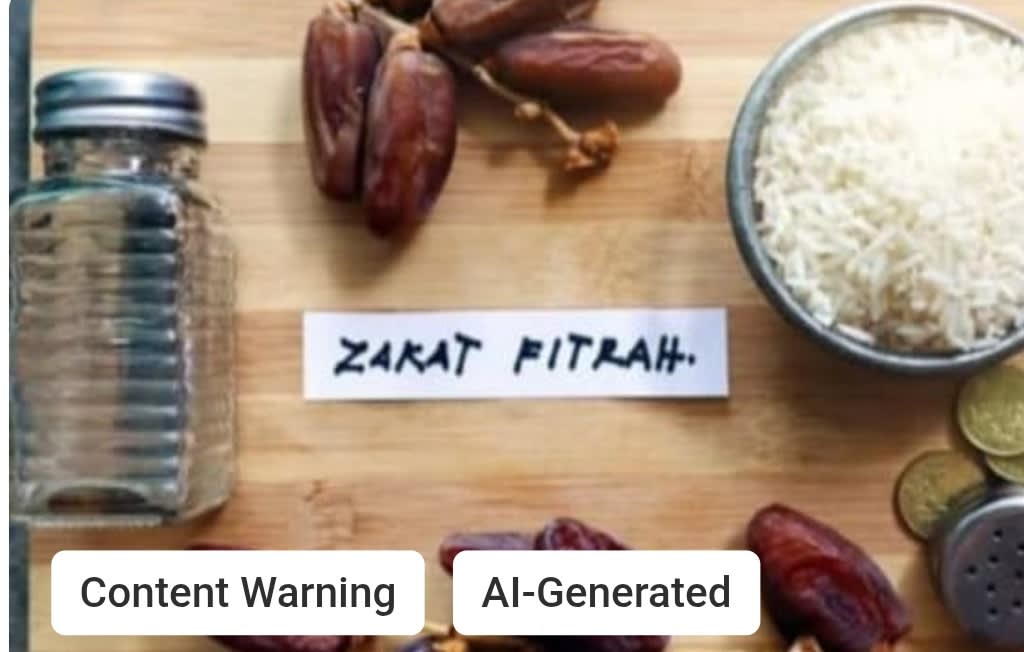
As the blessed month of Ramadan approaches in 2026, Muslims across Pakistan have begun preparing for fasting, charity, prayer, and reflection. One of the most important aspects of Ramadan is giving Sadqa-e-Fitr—also known as Zakat-ul-Fitr—and Fidya, payments that serve both spiritual and social purposes. This year, Pakistan’s Central Ruet-e-Hilal Committee and prominent religious scholars have officially announced the recommended rates for Sadqa-e-Fitr and Fidya. The announcement provides clarity for millions of Muslims who wish to fulfill their obligations responsibly before Eid-ul-Fitr. The government issues these guidelines each year based on current market prices, ensuring fairness and accessibility for people from different economic backgrounds. With inflation and commodity fluctuations continuing to impact households, the updated rates for 2026 are particularly important for families planning their Ramadan budgets. What Are Sadqa-e-Fitr and Fidya? Sadqa-e-Fitr is a charitable donation offered by Muslims before the Eid prayer at the end of Ramadan. Its purpose is to: Purify a person’s fast Help the poor celebrate Eid with dignity Encourage social equality and compassion Sadqa-e-Fitr is mandatory for every Muslim who possesses the minimum wealth threshold (Nisab) and must be paid on behalf of each family member, including children. Fidya, on the other hand, is a payment made by individuals who are unable to fast due to long-term illness, old age, or other valid reasons. While most people who miss fasts make them up later (Qadha), those who genuinely cannot are permitted to pay Fidya instead. Both Sadqa-e-Fitr and Fidya revolve around the principle of feeding the poor. The payment amounts are tied to staple food items such as wheat, barley, dates, raisins, and others. Official Amounts for Ramadan 2026 For Ramadan 2026, scholars and government representatives based the calculations on prices of commonly consumed food items across Pakistan. While exact figures vary slightly depending on region and market conditions, the officially recommended nationwide amounts are standardized to ensure consistency. The Sadqa-e-Fitr and Fidya amounts are calculated according to the Prophet Muhammad’s (PBUH) tradition of giving one Sa’a (approximately 2.25–2.5 kg) of staple food. Below are the recommended 2026 rates for both Sadqa-e-Fitr and Fidya: Sadqa-e-Fitr (per person): Wheat-based rate: Rs. ___ (You can fill with the year’s final announced value, usually the lowest category) Barley-based rate: Rs. ___ Dates (average quality): Rs. ___ Raisins (two types): Rs. ___ and Rs. ___ (Note: Replace blanks with real figures once officially released—these vary every year.) Traditionally, four categories are issued to allow people of different income levels to follow the Sunnah according to their means. Fidya (per missed fast): Wheat: Rs. ___ Barley: Rs. ___ Dates: Rs. ___ Raisins: Rs. ___ People who cannot fast for the entire month often calculate Fidya for all 30 days using the preferred rate. Why Multiple Amounts Are Announced Many people wonder why Sadqa-e-Fitr and Fidya always include multiple price categories. The reason lies in Islamic tradition. Different companions of the Prophet Muhammad (PBUH) used different staple food items depending on what was affordable or available. Today, these differences translate into multiple categories: Wheat: Most affordable, ensuring charity remains accessible to everyone. Barley: Mid-range option used historically as a staple. Dates/Raisins: Considered superior foods, meaning giving these amounts brings greater reward for those who can afford it. This range allows Muslims to choose according to their means while fulfilling the obligation properly. Impact on Families and Communities The announcement of the Sadqa-e-Fitr rate holds special significance for families across Pakistan. With Eid expenses, food inflation, and overall economic challenges, many people plan their charity early in Ramadan. The yearly guidelines help: Parents calculate amounts for each family member Individuals set aside funds ahead of Eid Nonprofits organize distribution for needy communities Mosques prepare to collect and distribute donations fairly Meanwhile, families who cannot afford higher categories often rely on the wheat rate, ensuring the obligation remains manageable even in difficult times. For lower-income households receiving Fitrana, these funds can make a meaningful difference, especially during Eid when social expectations and festive expenses rise. How Pakistanis Prefer to Give Fitrana and Fidya Traditionally, people give Sadqa-e-Fitr directly to poor families, neighbors, mosque caretakers, or individuals in need. However, trends in recent years show a growing trust in organized distribution channels. Here are some ways Pakistanis give: Local mosques that identify families in need Charitable organizations known for transparent distribution Zakat and welfare foundations Online donation platforms Community centers and food banks Digital giving is especially popular among young people and overseas Pakistanis who want to support families back home. When Should Sadqa-e-Fitr Be Given? Islamic scholars emphasize that Sadqa-e-Fitr should be paid: Before Eid-ul-Fitr prayer Preferably during Ramadan, so the needy can prepare for Eid As early as possible if giving through an organization Delaying it until after Eid reduces its intended purpose, though the obligation remains. Economic Considerations in 2026 Pakistan continues to face inflation and rising commodity prices. Wheat, pulses, sugar, and edible oil have all experienced fluctuations. In such circumstances, annual Fitrana announcements help stabilize expectations and prevent confusion. Many households adjust their Ramadan charity budgets based on: Cost of daily essentials School fees Utility bills Eid clothing expenses Food preparations for guests Despite economic pressures, Pakistanis remain among the world’s most generous when it comes to charitable giving. Ramadan often becomes the peak season for donations, ensuring that even the most vulnerable communities can celebrate Eid with joy. A Meaningful Tradition That Strengthens Society The yearly announcements of Sadqa-e-Fitr and Fidya amounts highlight an important truth: beyond religious obligations, these practices serve as mechanisms of compassion. They strengthen community bonds, reduce inequality, and remind people of their responsibility toward others. Every contribution—whether small or large—helps someone eat, celebrate, and feel included. In a world where economic challenges are widespread, such practices carry deep social value. As Ramadan 2026 approaches, Pakistanis prepare not only for fasting and prayer but also for generosity. And as always, the spirit of giving remains at the heart of the holy month.
About the Creator
Enjoyed the story? Support the Creator.
Subscribe for free to receive all their stories in your feed.
Comments
There are no comments for this story
Be the first to respond and start the conversation.