
Outdoor Lighting Market Transforms Nightscapes Through Smart Urban Design
Global Outdoor Lighting Evolves as Cities Prioritize Safety, Sustainability, and Connected Infrastructure
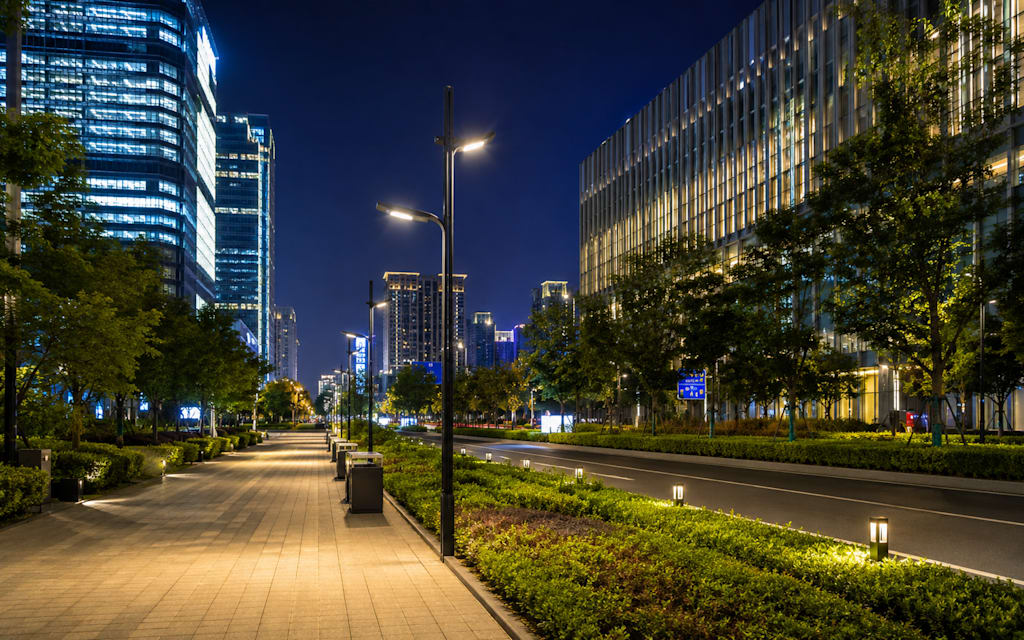
The city felt different after sunset.
What was once a collection of dim streets and shadowed pathways had transformed into a vibrant public space where families gathered, cyclists moved confidently through dedicated lanes, and local businesses stayed active long after dusk. The change wasn't driven by a new building or a major transportation project. It came from something often overlooked until it's missing: outdoor lighting.
Across the world, communities are reimagining public spaces through better illumination. From smart city corridors to residential landscapes, lighting has become far more than a utility. It now influences safety, energy efficiency, urban identity, and even economic activity. As cities pursue modernization goals and sustainability targets, outdoor lighting is emerging as one of the most visible symbols of progress.
Cities Are Rewriting the Nighttime Experience
The way people interact with public spaces after dark has changed dramatically over the last decade. Municipal authorities, urban planners, and private developers increasingly recognize that lighting affects human behavior in subtle but powerful ways.
A well-lit park encourages evening recreation. Bright pedestrian pathways support walkability. Enhanced roadway visibility contributes to safer transportation networks. These practical benefits are helping drive investment throughout the outdoor lighting market, where innovation is increasingly focused on creating environments that feel both functional and welcoming.
According to Mordor Intelligence, the outdoor lighting market size is projected to expand from USD 16.27 billion in 2025 and USD 17.32 billion in 2026 to USD 23.72 billion by 2031, registering a CAGR of 6.48% between 2026 and 2031. This growth reflects rising adoption across urban infrastructure projects, commercial developments, and residential communities seeking energy-efficient lighting solutions.
Technology Is Turning Light Into Intelligence
Modern lighting systems do much more than illuminate streets and buildings. Integrated sensors, connectivity platforms, and automated controls are enabling cities to manage lighting dynamically based on environmental conditions and usage patterns.
This shift is contributing to steady outdoor lighting market growth as municipalities seek solutions that balance public safety with energy conservation. Smart lighting networks can adjust brightness levels, monitor maintenance needs, and support broader smart-city ecosystems. The result is improved operational efficiency alongside enhanced user experiences.
Businesses are also embracing advanced lighting systems to create safer commercial districts and more attractive public-facing environments. Retail centers, hospitality venues, and mixed-use developments increasingly view lighting as an investment that strengthens customer engagement and extends activity beyond daylight hours.
Meanwhile, residents are adopting sophisticated landscape and exterior lighting solutions that improve curb appeal while supporting sustainability objectives. The convergence of aesthetics and efficiency continues reshaping expectations across multiple sectors.
Sustainability Becomes the Driving Force Behind Innovation
Environmental responsibility has become one of the strongest influences shaping the future of the outdoor lighting industry. Governments worldwide are implementing energy-efficiency standards, encouraging widespread replacement of traditional technologies with modern alternatives.
The transition aligns with broader sustainability initiatives aimed at reducing electricity consumption and lowering carbon emissions. For many cities, lighting upgrades represent one of the fastest and most visible ways to achieve measurable environmental improvements.
At the same time, manufacturers continue introducing products designed to minimize light pollution while maximizing performance. These innovations help preserve natural environments and improve quality of life for nearby communities.
As investment accelerates, competition among cities to create safer, greener, and more attractive public spaces is strengthening. This momentum supports expanding outdoor lighting market size across both developed and emerging economies, while increasing adoption contributes to evolving outdoor lighting market share patterns among regional markets and application segments.
The future of nighttime environments is no longer defined by simply making darkness visible. It is increasingly about creating spaces that feel connected, sustainable, and human-centered.
The next time you walk through a brightly illuminated street, park, or public square, consider the invisible network of planning, technology, and innovation behind that experience.
Which outdoor lighting improvement has made the biggest difference in your community after sunset?
About the Creator
Enjoyed the story? Support the Creator.
Subscribe for free to receive all their stories in your feed.
Comments
There are no comments for this story
Be the first to respond and start the conversation.