
Oriental Kopi’s Growth Paradox: Strong Top-Line Expansion Meets Margin Compression Amid Aggressive Scaling
Despite a 34.2% revenue surge and promising international forays, rising costs and tax burdens temper near-term earnings as the café group navigates the delicate balance between expansion and profitability.

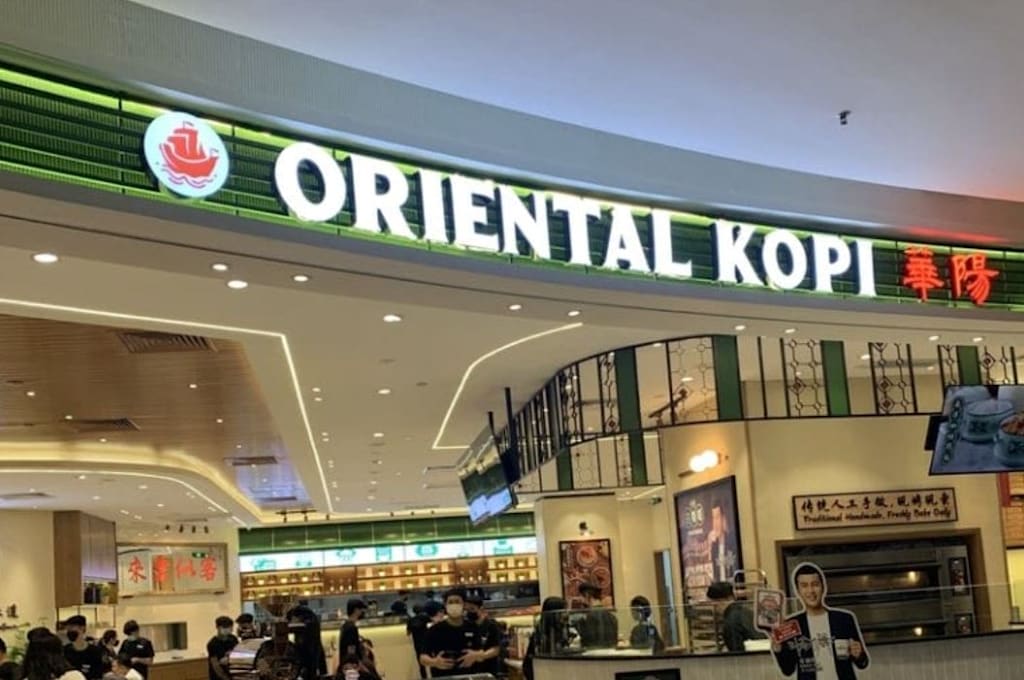
Oriental Kopi Holdings Bhd delivered robust top-line momentum in the third quarter of fiscal year 2026 (3Q26), with revenue climbing 34.2% year-on-year to RM156.6 million, underscoring the enduring appeal of its brand and the efficacy of its dual growth engines. However, this impressive sales performance was accompanied by a notable contraction in core profitability, which fell 5.9% year-on-year to RM17 million despite a healthy 13.1% sequential improvement. According to Hong Leong Investment Bank Research (HLIB), the divergence between revenue growth and bottom-line results reflects the inherent tensions of rapid scaling in the food and beverage sector, where upfront investments in outlet expansion, marketing, and supply chain resilience temporarily outpace operational leverage. For the first nine months of FY26, core earnings rose 6.1% to RM49.1 million on cumulative revenue of RM443.1 million a respectable outcome that nonetheless came in slightly below market expectations, prompting analysts to recalibrate near-term forecasts while maintaining confidence in the group’s medium-term trajectory.
The drivers behind Oriental Kopi’s revenue acceleration are both structural and strategic. HLIB attributed the quarterly uplift primarily to an enlarged domestic café network and a remarkable 66.1% year-on-year surge in the fast-moving consumer goods (FMCG) segment. This FMCG strength is particularly significant, as it demonstrates successful diversification beyond physical outlets into higher-margin, scalable packaged food products. Indeed, the segment posted a 26.7% margin in 3Q26, substantially outpacing the café division’s 21.5%, highlighting its potential as a profit stabilizer during periods of brick-and-mortar investment. Gross margins also showed signs of recovery, expanding sequentially to 23.5% thanks to improved cost management and operating efficiencies. These positive indicators suggest that management is actively optimizing unit economics even amid expansion, laying the groundwork for future margin expansion once initial growth-related expenses normalize.
Nevertheless, near-term profitability continues to face headwinds from multiple fronts. Raw material inflation remains a persistent challenge across the F&B industry, compressing input margins despite pricing adjustments. Concurrently, aggressive outlet rollout has necessitated elevated marketing spend to drive footfall and brand awareness in new locations, further straining operating expenses. Compounding these pressures is an effective tax rate of 30.6%, which exceeds the statutory corporate rate and reflects the current mix of taxable income and non-deductible expansion-related costs. Together, these factors explain why core profit declined year-on-year despite strong sales growth. Importantly, however, the sequential profit improvement signals that the worst of the margin compression may be passing, as newly opened outlets mature and fixed costs are absorbed over a larger revenue base.
Looking beyond the quarterly volatility, HLIB maintains a constructive outlook anchored in three key pillars: domestic network expansion, international diversification, and financial fortitude. The group’s RM240 million net cash position provides ample dry powder to fund growth without resorting to debt or equity dilution, offering strategic flexibility in uncertain macro conditions. Internationally, Oriental Kopi is executing a prudent, asset-light model: its Mauritius franchise serves as a low-risk testbed for overseas operations, while the planned Jakarta outlet targeted for end-2026 via a joint venture with Indonesian retail giant Erajaya represents a high-potential entry into Southeast Asia’s largest consumer market. This partnership mitigates execution risk while leveraging local expertise, aligning with best practices for cross-border F&B expansion. Domestically, continued outlet additions are expected to reinforce brand dominance and economies of scale, further enhancing the FMCG segment’s distribution reach.
In light of the near-term cost pressures, HLIB has trimmed its FY26 and FY27 core earnings forecasts by 17% and 8%, respectively, to reflect the front-loaded nature of expansion expenses. The research house also lowered its target price to RM1.17 from RM1.28 but reaffirmed its ‘Buy’ rating, citing a compelling valuation at current levels. At HLIB’s reference price of RM1.05, the revised target implies 11.1% capital upside and a total expected return of 12.1%, including dividends, an attractive risk-reward profile for investors willing to tolerate short-term earnings volatility in exchange for long-term compound growth. Ultimately, Oriental Kopi exemplifies the classic growth-stage dilemma: sacrificing near-term margins to secure market share and build scalable infrastructure. For patient stakeholders, the question is not whether profits will recover, but whether today’s investments will translate into sustainable competitive advantage tomorrow. Early evidence suggests they will.
About the Creator
Mark Lim
Hi I am mark an automotive student and a car, tech and food enthusiast ! Im gonna try and post daily & hope you enjoy what I write and do share my page with people you know. I would gladly appreciate it! Cheers
Enjoyed the story? Support the Creator.
Subscribe for free to receive all their stories in your feed.
Comments
There are no comments for this story
Be the first to respond and start the conversation.