
Organic Spice Market: A new era of multinational partnerships
Purity Over Price: Why Traceability is the New Global Standard in the $33 Billion Spice Industry

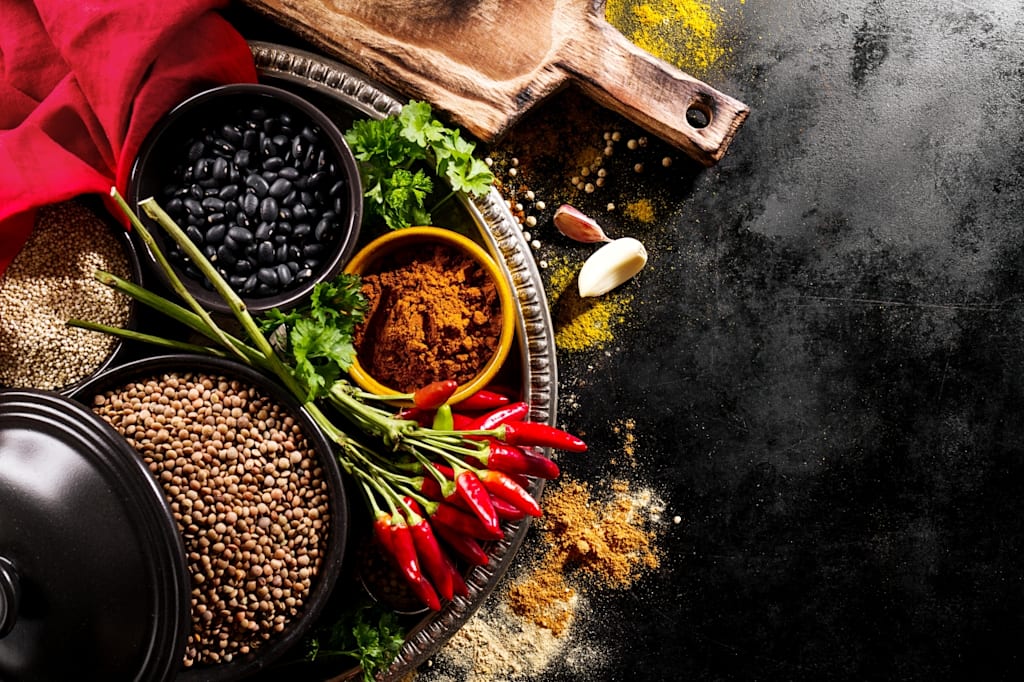
I’ve started paying much closer attention to the labels in my spice rack lately.
It wasn’t long ago that I simply reached for the cheapest bottle of cinnamon or turmeric, but a growing awareness of "clean labels" and ethical sourcing has changed my shopping habits.
I now find myself looking for that organic seal, not just as a badge of quality, but as a promise of safety and sustainability.
This shift in my personal kitchen is mirrored by a massive global industrial transition. According to the latest research from Mordor Intelligence, the organic spice market size is expected to grow from USD 23.12 billion in 2025 to USD 24.57 billion in 2026. Far from being a niche sector, it is forecast to reach USD 33.34 billion by 2031, advancing at a steady 6.29% CAGR.
The Compliance Revolution: Purity as a Passport
The global organic spice market is currently undergoing a fundamental transformation. It is transitioning from a price-sensitive commodity market into a strictly compliance-focused industry. In 2026, certification-backed traceability now outweighs price competitiveness when it comes to determining who gets access to the most lucrative markets.
Regulatory tightening in the United States and the European Union has raised the bar for entry. For smallholder farmers, this often means higher costs to maintain supply chains, but for vertically integrated players with robust documentation systems, it provides a massive competitive edge. We are moving toward a future where a spice's "passport" its documentation from farm to table—is just as important as its flavor profile.
Navigating Supply Chain Vulnerabilities
Despite the strong growth, the industry is facing a perfect storm of logistical and environmental challenges. I’ve noticed that "advanced testing" is becoming a standard buzzword in the industry, and for good reason:
Climate Volatility: Unpredictable weather patterns in key growing regions like India and Vietnam are making crop yields less certain.
Contamination Risks: With stricter safety standards, the risk of cross-contamination during processing or shipping can ruin entire batches.
Blockchain Traceability: To combat these risks, leading players are investing heavily in blockchain-enabled traceability. This allows a consumer or a regulator to scan a code and see every stop that pepper or cumin made before reaching the shelf, ensuring both safety and ethical standards were met.
The Rise of the Clean-Label Consumer
The driver behind this technological investment is us the consumers. There is a growing, global demand for ethically sourced products that fit into a "wellness" lifestyle. We are no longer satisfied with just "natural"; we want spices that are free from synthetic pesticides and heavy metals.
This demand is fostering a new era of multinational partnerships. Large global spice corporations are increasingly partnering with local processors in developing nations, providing the technology and training needed to meet international organic standards. This collaboration doesn't just improve the product; it strengthens local economies and ensures long-term sustainability for the entire sector.
Niche Differentiation and Innovation
As the market matures, we are seeing a surge in niche differentiation. It’s no longer just "organic ginger"; it’s single-origin, heirloom ginger from a specific volcanic soil. By focusing on these high-value, unique stories, agile regional players are carving out a premium space that allows them to compete even alongside global giants.
Innovation is also happening in the way these spices are delivered. From compostable packaging that appeals to the eco-conscious cook to advanced grinding technologies that preserve more of the essential oils, the organic spice market is proving that it can be high-tech while remaining deeply rooted in the earth.
Final Thoughts: A More Transparent Table
As we look toward that USD 33.34 billion milestone in 2031, the organic spice market stands as a testament to the power of transparency. It reflects a world where we care as much about the journey of our food as we do about the taste.
The next time you season a meal, take a moment to consider the complex, high-tech, and ethically driven supply chain that brought that spice to your kitchen. It is a journey defined by compliance and safety, but at its heart, it is about bringing the purest possible flavors to our tables.
About the Creator
Harvey Specter
I am passionate about Food & Beverage, Ag, & Animal Nutrition companies. I help organizations unlock their data's potential and fuel business growth. My expertise transforms raw data into actionable insights for strategic decisions.
Enjoyed the story? Support the Creator.
Subscribe for free to receive all their stories in your feed.
Comments
There are no comments for this story
Be the first to respond and start the conversation.