
Oral Surgery: Uses, Procedures & Recovery
oral surgeon in Tehachapi

Oral surgery is a specialized dentistry field involving surgical procedures to address various issues related to the mouth, jaw, teeth, and surrounding facial structures. While most people visit their dentist for routine care, such as checkups, cleanings, and fillings, there are times when a more complex condition requires surgical intervention. From wisdom tooth extractions to jaw realignment, oral surgery can solve problems that affect the function and appearance of your mouth and face. If you’re considering oral surgery, it’s essential to understand its uses, the types of procedures involved, and what to expect during the recovery process. A skilled oral surgeon in Tehachapi will typically evaluate your condition and determine whether oral surgery is the proper treatment.
What Is Oral Surgery?
Oral surgery encompasses a broad range of surgical procedures to treat mouth and jaw conditions. These procedures are typically performed by oral surgeons, who are dental professionals with advanced training in surgery and anesthesia. Oral surgery aims to restore normal function, alleviate pain, and improve the aesthetic appearance of the mouth and face. Whether you need to have a tooth removed or require more complex procedures like jaw realignment, oral surgery can provide long-term solutions for various dental and oral health issues.
Common Uses of Oral Surgery
Oral surgery is used to address a variety of dental and facial conditions. Here are some of the most common reasons why you may need oral surgery:
1. Wisdom Teeth Removal
Wisdom teeth, also known as third molars, are the last set of teeth to emerge, usually in late adolescence or early adulthood. In many cases, there isn’t enough room in the mouth for these teeth to come in properly, which can lead to impaction, infection, or damage to surrounding teeth. If your dentist determines that your wisdom teeth need to be removed, an oral surgeon will perform the extraction.
2. Tooth Extractions
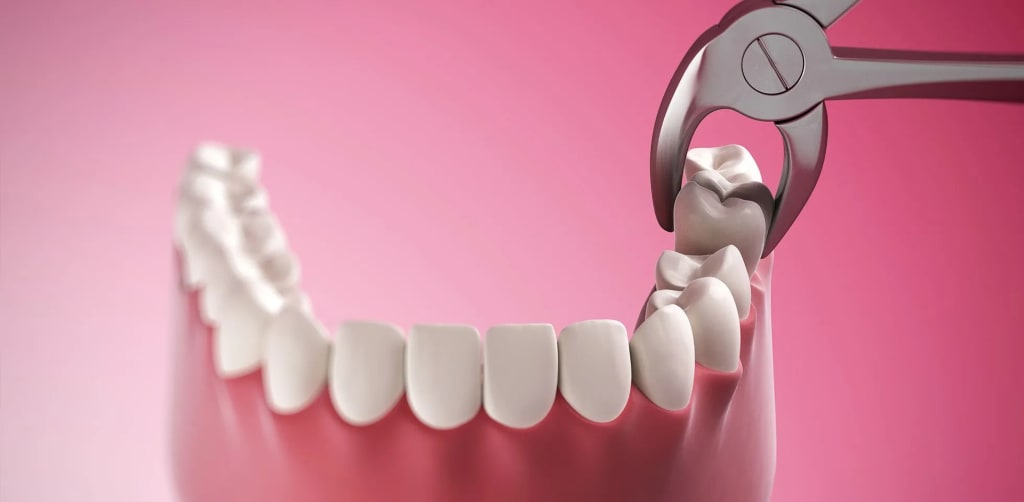
While a dentist can perform routine extractions, some extractions require surgical intervention, such as when a tooth is impacted, broken beneath the gum line, or in a difficult position. Oral surgeons are equipped to handle more complicated extractions, ensuring minimal discomfort and successful removal.
3. Dental Implants
Dental implants are a popular solution for replacing missing or damaged teeth. The procedure involves placing a titanium post into the jawbone, which fuses with the bone over time. This requires oral surgery to ensure proper placement and alignment of the implant. An oral surgeon may also perform bone grafting if the jawbone cannot support the implant.
4. Jaw Surgery (Orthognathic Surgery)
Some individuals have misaligned jaws that cause problems with biting, chewing, or speaking. In severe cases, oral surgeons can perform jaw surgery to reposition the jaw and improve its function and appearance. This surgery is often done to correct issues such as an underbite, overbite, or other structural abnormalities.
5. Facial Trauma
Oral surgeons also play a key role in treating facial trauma, such as fractures of the jaw, cheekbones, or other facial structures. Whether caused by an accident or injury, facial fractures require precise surgical treatment to ensure proper healing and restore the face's appearance and function.
6. Oral Cancer Treatment
If a dentist suspects oral cancer, they may refer you to an oral surgeon for a biopsy or further evaluation. If cancer is diagnosed, the surgeon may remove tumors or damaged tissue, potentially working alongside oncologists for additional treatments. Oral surgeons are trained in performing surgeries that remove cancerous tissue while minimizing damage to surrounding healthy areas.
7. Sleep Apnea Surgery
Severe cases of sleep apnea may require surgical intervention. If a CPAP machine or other non-invasive treatments are ineffective, oral surgery may be recommended. An oral surgeon can perform surgeries to remove excess tissue from the throat or realign the jaw to improve airflow and reduce sleep apnea symptoms.
Oral Surgery Procedures
Oral surgery procedures can vary widely depending on the type of issue being addressed. Some of the most common procedures include:
Tooth Extractions: These procedures remove teeth that cannot be saved, such as wisdom teeth or severely decayed teeth.
Dental Implant Placement: Involves placing a titanium post into the jawbone to replace a missing tooth.
Bone Grafting: Used to rebuild areas of the jawbone that may have deteriorated due to tooth loss or other conditions.
Orthognathic Surgery: Surgical correction of jaw misalignment to improve bite function and appearance.
Facial Reconstruction: Treats injuries or fractures of the facial bones and soft tissues.
Recovery After Oral Surgery
The recovery process after oral surgery depends on the type of procedure performed. For most procedures, patients can expect a period of swelling and discomfort. Here’s what you can typically expect during the recovery process:
Initial Healing: The first few days after surgery may involve swelling, bruising, and discomfort. Your oral surgeon may prescribe pain medication or antibiotics to prevent infection and manage pain.
Diet Restrictions: Following surgery, you may need to follow a soft-food diet for a certain period to avoid stressing the surgical site.
Follow-up Appointments: Your oral surgeon will schedule follow-up visits to monitor your healing progress and remove stitches if necessary.
Long-term Care: For procedures like dental implants, complete healing can take several months as the implant fuses with the jawbone.
Conclusion
Oral surgery plays a vital role in restoring and maintaining your oral health. Whether you're facing dental implant placement, corrective jaw surgery, or tooth extractions in Tehachapi, oral surgery offers effective solutions for many dental and facial conditions. It’s essential to consult with your dentist, who will evaluate your condition and refer you to an oral surgeon if necessary. By understanding the uses, procedures, and recovery process involved in oral surgery, you can make informed decisions about your dental care and ensure the best possible outcomes for your health.
About the Creator
Tehachapi Total Dentistry
Tehachapi Total Dentistry is your premier destination for a top-rated dentist in Tehachapi. For more information, Book an appointment today.
Enjoyed the story? Support the Creator.
Subscribe for free to receive all their stories in your feed.
Comments
There are no comments for this story
Be the first to respond and start the conversation.