
Optimizing Cross-Border E-Commerce Fulfillment: Strategic Role of Regional Courier Partnerships
Leveraging Local Courier Networks in Cities Like Kakinada to Strengthen Global E-Commerce Logistics

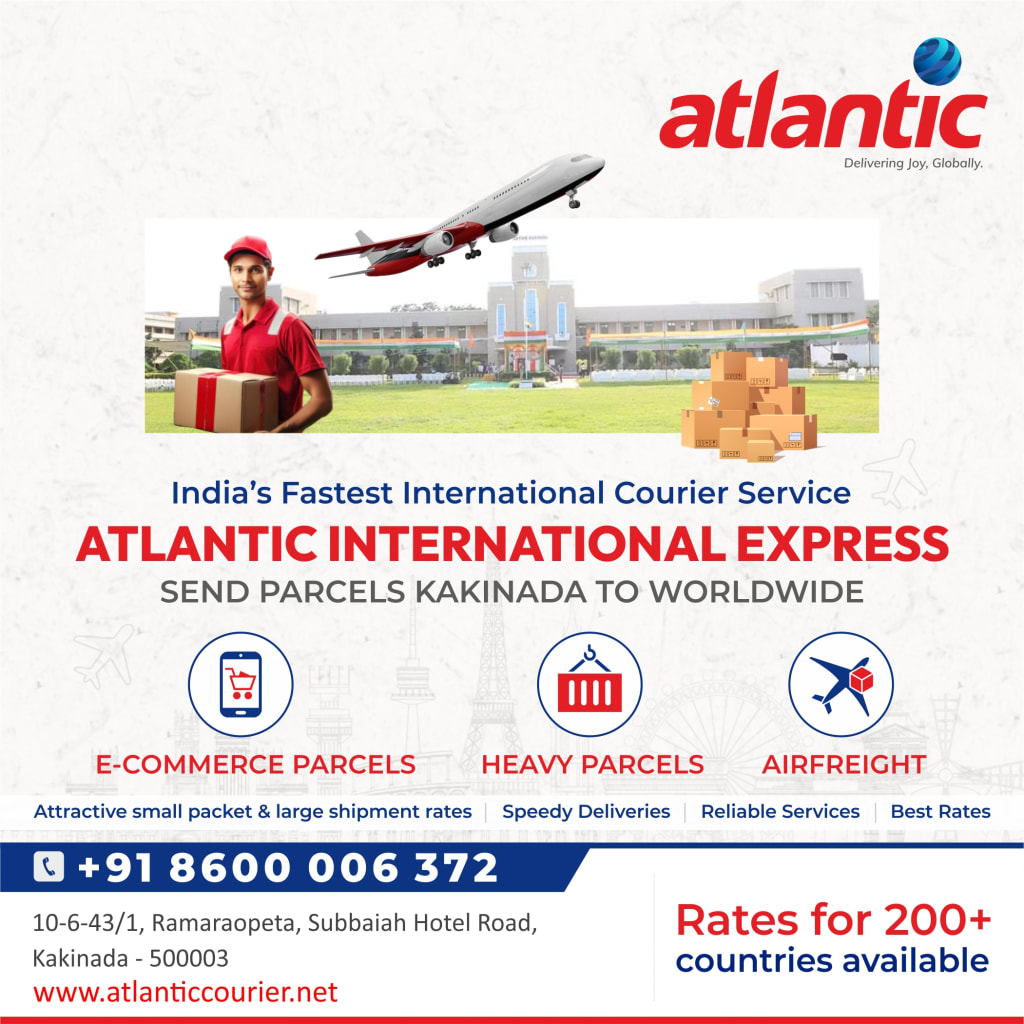
As e-commerce increasingly disrupts conventional retail logistics, the value of flexible, locally-oriented fulfillment networks is being realized. For global supply chain managers and online shopping retailers, selecting the most suitable international courier service in Kakinada can be the difference between efficient cross-border delivery and operational delays. Especially in emerging tier-2 and tier-3 cities such as Kakinada where digital penetration is increasing but infrastructure can be behind partnering with the appropriate logistics partner is both a growth enabler and a strategic imperative.
This article discusses how local courier networks influence cross-border fulfillment, the distinctive logistical character of cities such as Kakinada, and how companies can craft scalable, technology-enabled solutions by marrying local courier insights into their international business.
The Logistics Bottleneck: Why Regional Nodes Are More Important Than Ever
While global e-commerce giants compete to deliver next-day, even same-day, promises, the issue is less global connectivity last-mile reliability is the issue. Urban centers have matured logistics ecosystems, but regional towns have a different set of challenges and opportunities. Consider the port town of Kakinada in Andhra Pradesh, which is seeing increasing industrial and commercial activity.
Although expanded, such companies still depend on domestic operators with scant matured appreciation for native infrastructure, regulation, and clients' wishes. Such a gap will create delays, regulatory trouble, and greater fulfillment expenses. This is where an internationally linked yet locally grounded Kakinada courier facility can help—offering more last-mile reach, quicker customs clearing, and fair price in the process.
In foreign shipments, they are micro-hubs that facilitate the linkages between global value chains and local consumer markets. Overlooking them may be losing the chance of accessing a considerable portion of digitally engaged customers away from the metros.
Integrating Local Courier Services with Global Supply Chains
To achieve authentic end-to-end logistics optimization, businesses need to reframe their vision for local courier vendors not as outsourced suppliers but as value chain contributors to fulfillment. Cross-border traders offering service for both incoming and outgoing traffics need to take extra interest in this.
This is how forward-thinking companies are incorporating local courier insights into international operations:
• API and Platform Integration: Best global courier organizations in tier-2 cities now offer robust API frameworks, enabling real-time tracking, auto-labeling, and seamless customer communication. Integrating these APIs with international shipping platforms or warehouse management systems (WMS) enables end-to-end service-level monitoring from pickup to final delivery.
• Geofencing and Dynamic Route Optimization: Certain local couriers are making investments in AI-driven route planning, taking hyperlocal factors such as weather, road closures, and spikes in demand into account. Companies that utilize these features are able to significantly lower average delivery times and fuel expenses.
• Intelligent Warehousing: Micro-fulfillment centers or tie-ups with 3PLs are the norm among local providers within Kakinada industrial parks. Consolidating fulfillment operations—like staging, packing, and customs compliance—within such facilities will result in faster shipping for cross-border orders.
Consolidating local courier capability within larger logistics processes makes companies achieve scalability, compliance, and resiliency in high-opportunity but under-penetrated markets.
Kakinada's Strategic Advantage in Cross-Border Trade
While Kakinada can't compete with metros in terms of logistics infrastructure, it has certain strengths for overseas trade—particularly along India's eastern corridor. This is why it's becoming a strategic player in the e-commerce logistics arena:
• Port Connectivity: Since the Kakinada Deep Water Port can accommodate both container and bulk cargo, the city, in turn, becomes a port of entry for sea trade. This facilitates quicker outbound exports and reduced import duties in the case of compliant courier services within the area.
• Industrialization and SEZs: As part of Andhra Pradesh's industrial corridor development, Kakinada is seeing investment in food processing, petrochemicals, and textiles. For global businesses that trade in these industries, the availability of a fulfillment node here backed by a strong international courier service in Kakinada can cut lead times and enhance distribution economics.
• Labour Force and Mobile Penetration: Broadening penetration of mobile internet and a tech-savvy young workforce provide fertile ground for digitally-enabled fulfillment operations. The app-based coordination and cloud-based documentation-based courier business is already gaining the upper hand over traditional guard players.
Kakinada therefore makes an interesting business case for regional integration of logistics, that is, for companies focused on speed, reliability, and compliance in cross-border trade.
Developing a Resilient and Adaptive Fulfillment Strategy
As the world's logistics becomes increasingly complex—with geopolitical shifts, increasing costs, and weather-related disruptions—agility and resilience are a necessity. Companies need to go beyond strategic nodes and create extended networks of fulfillment-based smart, technology-enabled courier partnerships.
To take advantage of regional opportunities such as Kakinada:
• Conduct Regional Logistics Audits: Evaluate the performance of existing courier partnerships in secondary cities. Consider delivery SLAs, customs compliance rate, customer complaint rate, and returns effectiveness.
• Establish Tiered Courier Partnerships: Expand your courier pool to include national and regional carriers. Provide backup arrangements to prevent service disruption in large regional markets.
• Invest in Visibility Technology: Enable end-to-end visibility across all tiers. AI-driven and blockchain-based visibility solutions are becoming essential to detect and respond to disruptions in real-time.
• Embed Regulatory Sensitivities: Utilize courier operators that have an established record of managing customs and compliance in regional ports of India. This lessens red tape, particularly for intricate international shipments.
By equilibrating technology, partnerships, and regional strategy, companies can set logistics models for the future and free the exponential power of tier-2 commerce centers.
Conclusion: Regional is the New Global
For e-commerce leaders and logistics thinkers, the future of cross-border fulfillment will not be about speed or price alone, but reach and adaptability. When the next billion buyers come online, places like Kakinada will have a disproportionate impact on turning global commerce regional. A reliable international courier operation in Kakinada can be a force multiplier combining local know-how and global best practices in a manner that leverages your fulfillment plan.
About the Creator
Atlantic Express
Let's ship across the world with the best courier service provider in India!!
Atlantic International Express is one of the reputed courier service providers in India, offering domestic and international shipping solutions.
Enjoyed the story? Support the Creator.
Subscribe for free to receive all their stories in your feed.
Comments
There are no comments for this story
Be the first to respond and start the conversation.