
Online Therapy and Bipolar Disorder: How to Stay on Track
Online Therapy
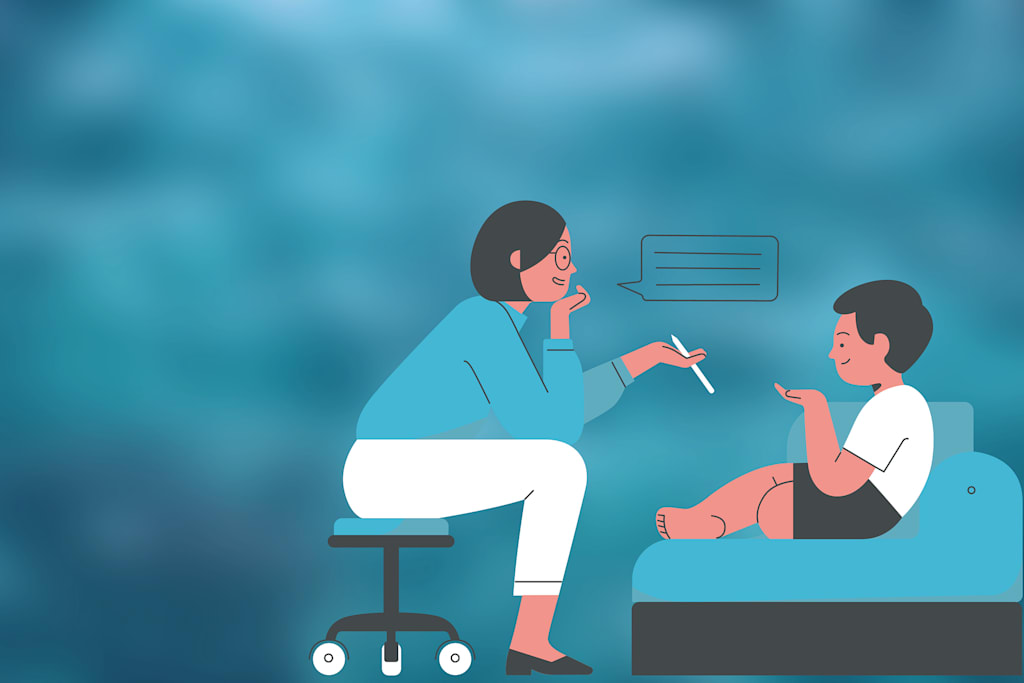
Bipolar disorder is a complex mental health condition that requires ongoing care, structure, and consistent emotional monitoring. In recent years, access to mental health support has expanded significantly through digital platforms, making it easier for individuals to engage in treatment from home. One of the most important developments in this space is online therapy for bipolar disorder, which offers a flexible and accessible way for people to manage mood fluctuations, adhere to treatment plans, and maintain long-term stability while continuing daily responsibilities such as work, study, or caregiving.
Alongside this growing trend, digital mental health services now cover a wide spectrum of conditions and approaches, including ptsd therapy online, online CBT therapy, and teletherapy for mood disorders. These services are increasingly integrated into mainstream care, helping individuals who may face barriers such as transportation issues, stigma, or limited access to specialists in their region. The expansion of virtual mental health care has made continuous support more realistic for many people, especially those managing fluctuating conditions like bipolar disorder, where timely intervention and regular check-ins can significantly influence outcomes.
Understanding Bipolar Disorder and Digital Care
Bipolar disorder involves alternating episodes of depression and mania or hypomania, often affecting energy levels, decision-making, sleep patterns, and emotional regulation. Traditional treatment typically includes medication management and in-person psychotherapy. However, digital care models have introduced new ways to complement these treatments.
Online therapy platforms allow individuals to connect with licensed therapists through video calls, messaging systems, or structured digital programs. This accessibility can be especially valuable during early signs of mood shifts, when immediate support may help prevent escalation. In addition, online care enables more frequent touchpoints compared to traditional weekly sessions, supporting better continuity in treatment.
How Online Therapy Helps Stay on Track
Consistency is one of the biggest challenges for individuals managing bipolar disorder. Mood changes can disrupt routines, reduce motivation, or lead to missed appointments. Online therapy helps address this by making sessions more accessible and adaptable to a person’s daily life.
Therapists working in virtual settings often use structured approaches such as cognitive behavioral therapy, psychoeducation, and behavioral activation. These methods help individuals identify early warning signs of mood changes and develop strategies to respond effectively. For example, someone experiencing early hypomanic symptoms may work with their therapist to adjust sleep routines, reduce overstimulation, or implement grounding techniques.
Another key advantage is flexibility. When attending in-person therapy becomes difficult due to energy levels or environmental constraints, virtual sessions reduce the likelihood of missed care. This continuity plays a critical role in maintaining emotional stability over time.
Building Structure and Routine
A consistent daily routine is one of the strongest protective factors for individuals with bipolar disorder. Online therapy often emphasizes the development of structured habits, including sleep hygiene, meal timing, and scheduled activities.
Therapists may encourage clients to use digital tools such as mood trackers or calendar reminders to maintain consistency. These tools provide real-time feedback on emotional patterns, making it easier to identify triggers such as sleep deprivation, stress, or irregular schedules.
For individuals balancing work or business responsibilities, structured planning becomes even more essential. Breaking tasks into smaller, manageable steps can reduce overwhelm during depressive phases and prevent overcommitment during elevated mood states. Over time, these strategies help stabilize daily functioning and improve long-term outcomes.
Monitoring Mood Episodes Remotely
One of the most significant benefits of digital mental health care is the ability to monitor mood patterns in real time. Many online therapy platforms integrate mood-tracking systems that allow individuals to log symptoms daily. This data helps both the patient and therapist identify early warning signs of manic or depressive episodes.
For instance, a gradual reduction in sleep combined with increased activity may signal the onset of mania, while withdrawal from activities and persistent fatigue may indicate depressive shifts. Early detection allows for timely intervention, whether through therapy adjustments, lifestyle changes, or consultation with a psychiatrist.
Remote monitoring also encourages self-awareness, which is a key factor in long-term management. When individuals can visualize patterns over time, they become more equipped to anticipate changes and take proactive steps.
Challenges and Limitations
While online therapy offers many advantages, it is not without limitations. One of the primary concerns is the lack of physical presence, which can make it harder for therapists to observe nonverbal cues or detect subtle behavioral changes.
Additionally, individuals experiencing severe manic or depressive episodes may require in-person crisis intervention or higher levels of care than virtual platforms can provide. Internet connectivity, privacy concerns, and digital literacy can also affect the quality of care.
Despite these challenges, online therapy is generally most effective when used as part of a broader treatment plan that includes medication management, regular psychiatric consultations, and a strong personal support system.
Practical Strategies for Consistency
Maintaining stability with bipolar disorder requires ongoing effort and structured support. One effective strategy is establishing a “baseline routine” that remains consistent regardless of mood state. This includes regular sleep and wake times, scheduled meals, and daily physical activity.
Another important approach is developing a personalized relapse prevention plan. This plan typically outlines early warning signs, coping strategies, and emergency contacts. Online therapy sessions are often used to refine and update this plan based on evolving needs.
Limiting external stressors is also important. Managing workload, avoiding overstimulation, and maintaining balanced social engagement can help reduce the risk of mood destabilization. Digital tools such as reminders, journaling apps, and mood trackers further support consistency by reinforcing self-monitoring habits.
Conclusion
Managing bipolar disorder requires a combination of structured care, self-awareness, and consistent therapeutic support. Digital mental health services have made it easier for individuals to stay engaged in treatment through flexible and accessible formats. Online therapy provides a practical way to maintain continuity, monitor mood changes, and develop coping strategies that fit into daily life. While it is not a replacement for comprehensive psychiatric care, it serves as a valuable component in a broader, integrated treatment approach that supports long-term emotional stability and improved quality of life.
About the Creator
Enjoyed the story? Support the Creator.
Subscribe for free to receive all their stories in your feed.
Comments
There are no comments for this story
Be the first to respond and start the conversation.