
Oats Market: A Whole-Grain Nutritional Anchor
Rigid Gluten-Free Testing Moats & Advanced Flouring Innovations Drive Industry Towards $6 Billion by 2031

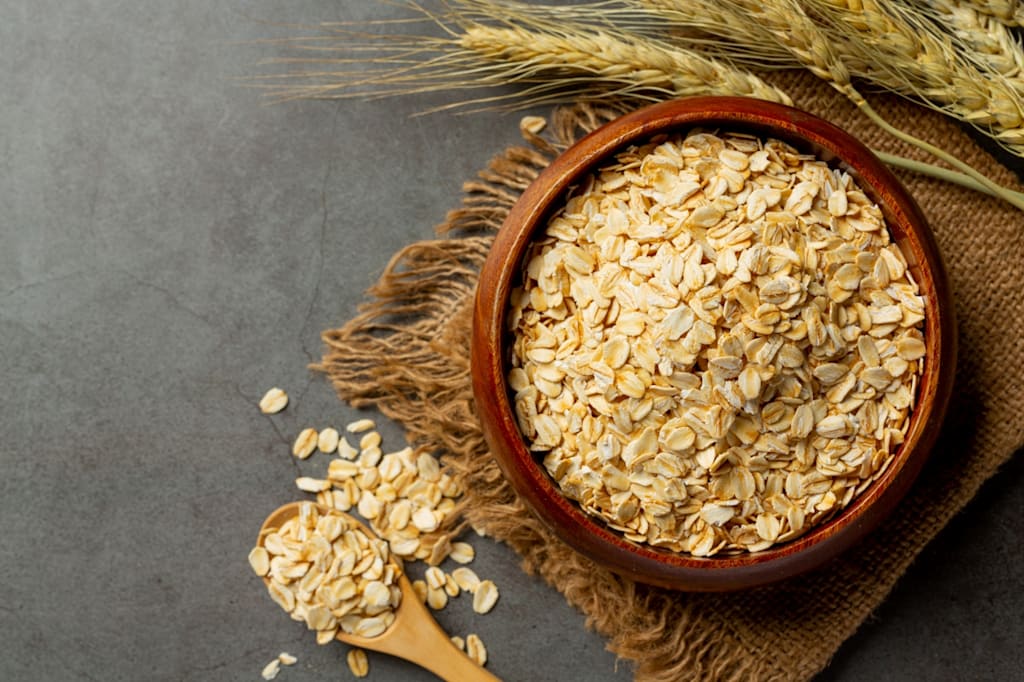
The breakfast table in the morning is undergoing a quiet but massive rewrite. It wasn’t that long ago that reaching for oatmeal meant opening a highly processed, paper packet of instant flakes loaded with artificial sugar syrups, or spending an hour boiling tough raw groats on the stove. But browse any modern grocery aisle or look at an urban quick-delivery food order today, and you will see a total transformation. Wellness-focused consumers are stacking their pantries with premium, clean-label steel-cut oats, mixing gluten-free rolled flakes directly into their morning smoothies, and utilizing fiber-dense oat flours to bake allergen-friendly treats at home. The hardy, traditional cereal grain has successfully broken away from its legacy image as a simple, rustic porridge to establish itself as a highly functional, indispensable powerhouse of modern preventive nutrition.
This deep-rooted shift toward macro-balanced, clean-label wellness is driving significant commercial value. According to data from Mordor Intelligence, the global oats market size is expected to grow from USD 4.5 billion in 2026 to USD 6.15 billion by 2031, growing at a steady 6.43% CAGR over the 2026–2031 period. Driven by an insatiable global appetite for nutrient-dense whole grains and the convenience of automated mornings.
The Regulatory Anchor: The Essential Gluten-Free Threshold
The primary driver behind this multi-billion-dollar expansion is an institutional shift in how regulatory bodies govern whole-grain processing. A defining milestone driving immense security and consumer confidence across the sector is the U.S. Food and Drug Administration's (FDA) strict regulatory framework regarding gluten-free labeling.
The agency's strict mandate establishes a clear, legal threshold of less than 20 parts per million (ppm) of gluten for any food product carrying a "gluten-free" claim. While raw oats are naturally gluten-free, traditional agricultural networks frequently cross-contaminate them during harvest or transport via shared equipment previously used for wheat, rye, or barley.
By defining this rigid 20 ppm ceiling, the regulation gives commercial food manufacturers the legal backing to confidently build dedicated, certified gluten-free processing lines. To clear these strict audits, top-tier milling integrators are heavily investing in Purity Protocol supply chains and automated optical sorting machinery. This massive investment builds an incredibly secure operational moat, allowing brands to perfectly satisfy the daily dietary needs of celiac and gluten-sensitive consumers who willingly pay top-tier retail premiums for verified safety.
Strategic Market Breakdown: Textures, Natures, and Channels
The internal product architecture of the global marketplace highlights a fascinating balance between traditional bulk staples and fast-rising processed varieties:
- Rolled Oats Command the Base: By product type, rolled oats led the category, commanding a dominant 34.98% of the global oats market share in 2025 due to their universal presence in morning mueslis, classic hot porridge bowls, and high-volume commercial baking lines. Conversely, oat flour is set to expand at a fastest-in-class 9.22% CAGR through 2031, heavily favored by industrial bakers as a functional, structural replacement for traditional wheat bases.
- The Processed Edge vs. Raw Volume: Processed variants controlled the bulk of the industry, capturing a massive 71.55% of global revenue in 2025. This segment is projected to continue its dominance, compounding at a 7.38% annual growth rate through 2031 as consumers demand advanced, ready-to-cook morning cuts that slash home preparation times.
- Conventional Dominance vs. Online Retail Speed: While mass-market conventional grains held a 67.92% value footprint in 2025, distribution is modernizing fast. Traditional supermarkets and hypermarkets managed 51.22% of sales in 2025, but online retail stores are expanding the quickest, set to record an impressive 10.18% CAGR through 2031 as digital platforms reduce entry barriers for niche digital brands.
Mitigating Climate Fragility: Supply Chain Diversification
Running an international grain milling network in 2026 requires balancing intense consumer demand against increasingly volatile global weather patterns. Because oats thrive best in cool, moisture-stable climates, the agricultural supply base remains highly concentrated across specific grain belts in Canada, Northern Europe, and Russia.
To safeguard corporate profit margins against sudden, climate-induced crop failures or localized tariff disputes, leading grain integrators like Quaker Oats Company (PepsiCo), Grain Millers, and Richardson International are executing a dual-layered operational defense:
- Sourcing Diversification: Multi-national processors are systematically diversifying their raw material origination networks, moving away from single-country dependence by establishing long-term contract farming operations across multi-hemisphere agricultural zones.
- Agronomic Seed Investments: Processing giants are funding extensive R&D into climate-resilient, drought-resistant oat cultivars. These advanced botanical varieties protect early crop yields during unexpected heatwaves or unseasonal droughts, helping mills secure a stable, predictable volume of raw groats while cushioning their financial outlays during erratic crop cycles.
Regional Horizons: North American Scale, Asia-Pacific Velocity
From a geographic standpoint, the market displays an exciting balance between deeply mature consumption strongholds and high-velocity developing economies:
- North America Retains Dominance: North America continues to command the largest absolute revenue share, capturing 34.31% of the global market in 2025. This leading position is anchored by deeply embedded breakfast cereal consumption habits, high per-capita tracking of daily fiber intake, and a dense infrastructure of advanced processing plants.
- Asia-Pacific Emerges as the Growth Hotspot: The Asia-Pacific region has emerged as the global hotspot for fastest incremental gains, projected to expand at an industry-leading 8.05% CAGR through 2031. This rapid acceleration is being powered by explosive urbanization and rising health awareness across middle-class households in China and India. As modern consumers actively shift toward healthier, plant-based lifestyle choices to counter sedentary routines, they are aggressively adopting oat-based breakfasts and premium dairy alternatives, turning the grain into an indispensable regional pantry staple.
Final Thoughts: A Smarter, Resilient Grain
As the global oats market marches toward its USD 6.15 billion milestone in 2031, the category illustrates how a classic agricultural crop can successfully elevate its profile to match a high-tech corporate world. By combining advanced milling fractionation with rigid gluten-free testing protocols, decentralized global sourcing networks, and hyper-targeted digital commerce, the sector has secured a permanent, highly profitable home on the world's wellness menu.
The next time you enjoy a warm bowl of steel-cut oats or use a premium, fiber-enhanced oat flour for home baking, take a brief moment to look past the spoon. Behind that soft texture and wholesome profile sits a highly sophisticated global web of advanced agricultural genetics, strict FDA testing standards, and predictive international logistics working in perfect harmony. Daily nutrition is turning cleaner, safer, and beautifully resilient one wholesome grain at a time.
About the Creator
Harvey Specter
I am passionate about Food & Beverage, Ag, & Animal Nutrition companies. I help organizations unlock their data's potential and fuel business growth. My expertise transforms raw data into actionable insights for strategic decisions.
Enjoyed the story? Support the Creator.
Subscribe for free to receive all their stories in your feed.
Comments
There are no comments for this story
Be the first to respond and start the conversation.