
Nut Based Spread Market: A $7.24 Billion Breakfast Staples
From Simple Topping to Nutritional Powerhouse: Navigating the $7 Billion Global Shift in 2026

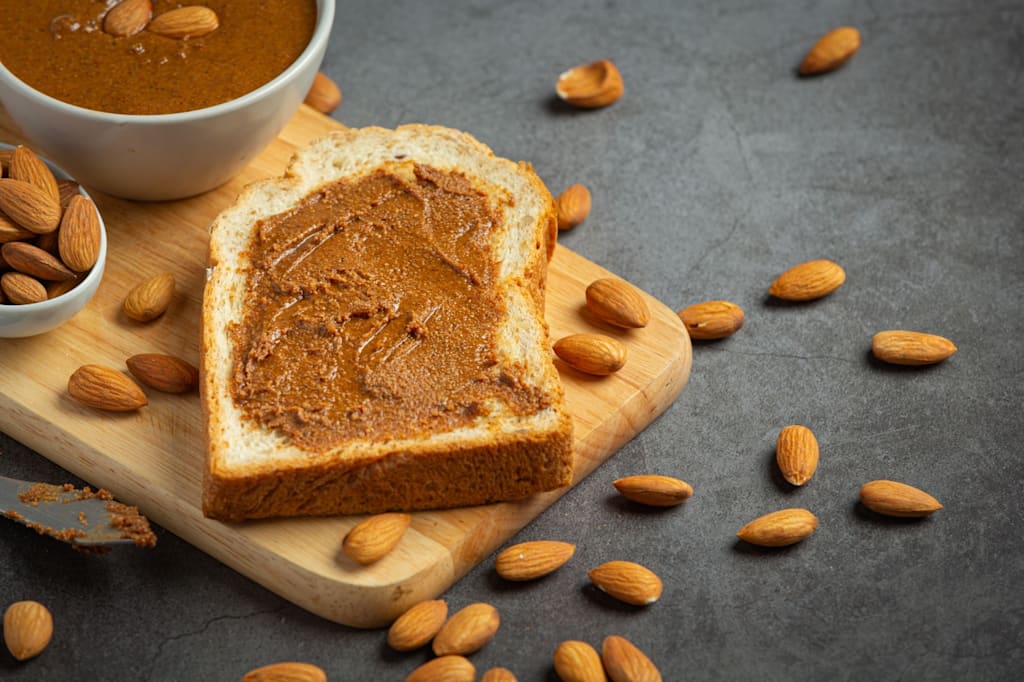
Most people do not think of nut butter as a particularly interesting food category.
It sits in the pantry. It goes on toast or gets stirred into a smoothie. Peanut butter has been there for generations, familiar to the point of invisibility, and the rest of the category has historically lived in its shadow. You bought the peanut butter. Occasionally, you tried something else. Mostly, you came back to what you knew.
That dynamic is shifting. Not dramatically and not overnight, but consistently in a direction that reflects something genuine about how consumers are rethinking what they eat and why.
According to Mordor Intelligence, the global nut-based spread market is estimated at USD 5.87 billion in 2025 and is expected to reach USD 7.24 billion by 2030 at a 4.27% CAGR. That measured growth reflects a category expanding its relevance without abandoning the simplicity that made it a pantry staple in the first place.
Why Nut Spreads Have Become a Health Category
The shift in how nut-based spreads are positioned and purchased has been driven by changes in how consumers think about food quality and nutritional value that have reshaped multiple food categories simultaneously.
Nut spreads offer something that most processed spreads cannot credibly claim. A recognizable single ingredient or a short list of recognizable ingredients. Meaningful nutritional content, including protein, healthy fats, fiber, and micronutrients, makes the product genuinely useful in the context of a health-conscious diet. And a clean-label story that does not require consumers to accept a long list of additives, stabilizers, and artificial ingredients to enjoy something that spreads easily and tastes good.
For consumers managing gluten intolerance, dairy sensitivity, or broader concerns about allergen exposure from conventional processed spreads, nut-based alternatives offer a practical solution that does not feel like deprivation. Almond and hazelnut spreads in particular have grown in appeal among consumers who want the convenience and versatility of a spread product without the ingredient compromises they associate with conventional options.
Rising disposable incomes across major markets have supported the premiumization of everyday foods in ways that benefit the nut spread category directly. A consumer who is willing to pay more for higher quality versions of the foods they eat regularly, who reads labels, and who treats breakfast and snacking decisions with the same scrutiny they bring to larger meal choices, is a natural audience for premium nut spreads with credible health positioning.
Peanut Butter's Dominance and What Is Growing Around It
Peanut butter remains the dominant product in the nut-based spread category by a substantial margin, and its position is not under threat in any serious sense. It is consumed at an enormous scale across North American and European markets with deep roots in both food culture and practical household economics. Its versatility across recipes from smoothies and protein shakes to baking applications and savory sauces gives it a breadth of use that more specialized alternatives cannot match.
What is interesting commercially is what is growing around it.
Almond butter has established the most significant alternative position within the category. Its nutritional profile, which includes higher calcium and vitamin E content alongside comparable protein levels to peanut butter, has made it a credible upgrade for health-conscious consumers willing to pay the premium its higher production cost requires. Its flavor profile, milder and less assertive than peanut butter, has also made it more versatile in certain culinary applications and more appealing to consumers who find peanut butter's flavor too dominant in combination with other ingredients.
Hazelnut spreads occupy a different position in the market, associated primarily with the chocolate hazelnut combination that has achieved near-universal recognition. The growing interest in premium and novel hazelnut products, including spreads with reduced sugar content, higher hazelnut concentration, and alternative flavor additions, reflects consumer appetite for a more sophisticated version of a format they already enjoy. The September 2022 launch of Nutti Cream by Orinoco Foods, a hazelnut spread with chocolate flavoring targeting initial retail distribution across five American states, illustrates the kind of focused regional product innovation that has been building the premium segment of this category from multiple directions simultaneously.
Cashew spreads, macadamia butters, and mixed nut spreads have found smaller but loyal audiences among consumers who specifically seek novelty, variety in their protein sources, or particular flavor profiles that single-nut alternatives cannot provide.
How the Consumption Occasion Has Expanded
The nut spread category has grown partly because the occasions in which these products are considered appropriate to consume have expanded considerably beyond their traditional breakfast and snacking contexts.
The integration of nut spreads into fitness and protein nutrition has been commercially significant. Peanut butter and almond butter appear routinely in protein shake recipes, post-workout snack combinations, and the general vocabulary of fitness nutrition in ways that position them as functional foods rather than simply convenient spreads. The protein content that was always present in these products has become a marketing asset as consumer awareness of protein intake has grown across demographics well beyond the traditional sports nutrition audience.
Smoothie culture has incorporated nut spreads as standard additions that contribute both nutritional density and flavor depth in ways that other ingredients cannot easily replicate. A tablespoon of almond butter in a smoothie adds protein, healthy fat, and a richness of flavor that changes the character of the drink significantly. That functional role in a consumption context that is growing rapidly has expanded demand beyond the traditional spreading application.
Recipes and food content on social media platforms have introduced nut spreads into cooking and baking applications for audiences who might not have previously considered them beyond breakfast use. Almond butter cookies, peanut butter energy balls, hazelnut spread incorporated into baked goods and desserts, and savory applications for nut butters in Asian-inspired cooking have all expanded the category's presence in food culture beyond the jar on the breakfast table.
Where the Market Is Growing
North America remains the largest and most mature market for nut-based spreads, supported by deeply embedded peanut butter consumption habits, strong retail distribution infrastructure, and a consumer base that has been early in adopting premium alternatives alongside conventional products.
Europe shows steady growth driven by health-conscious consumer segments in markets including the United Kingdom, Germany, and the Netherlands, where nut spreads have moved from specialty health food stores into mainstream supermarket aisles with meaningful shelf presence.
Asia-Pacific represents the most significant growth opportunity as rising incomes, increasing exposure to Western breakfast and snacking habits, and growing health consciousness create conditions for category expansion in markets where nut spread consumption has historically been limited. The region's growth trajectory is at an early stage, but the direction is consistent with how these categories have developed in markets where they are now established.
A Closing Thought
Nut-based spreads succeeded for generations by being simple, filling, and reliably available. The jar of peanut butter has been a pantry constant across income levels and cultural contexts in a way that few food products can claim.
What is happening now is that simplicity is being reframed as a virtue in an era when consumers are skeptical of complexity in their food. A product with a short, recognizable ingredient list, genuine nutritional content, and the kind of versatility that fits into multiple consumption occasions throughout the day has found that its straightforwardness is an asset rather than a limitation.
With the market heading toward USD 7.24 billion by 2030, the humble nut spread has earned a more interesting commercial story than its familiar presence on breakfast tables might suggest.
About the Creator
Harvey Specter
I am passionate about Food & Beverage, Ag, & Animal Nutrition companies. I help organizations unlock their data's potential and fuel business growth. My expertise transforms raw data into actionable insights for strategic decisions.
Enjoyed the story? Support the Creator.
Subscribe for free to receive all their stories in your feed.
Comments
There are no comments for this story
Be the first to respond and start the conversation.