
North America FLNG Boom: Is Offshore Gas the Future?
Exploring how floating LNG reshapes energy security.
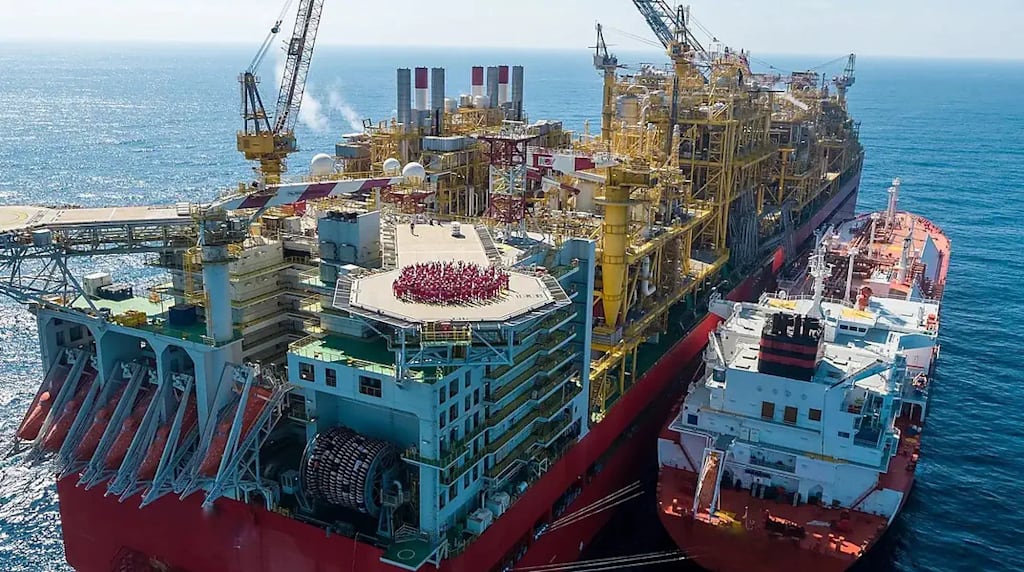
The ocean swells beneath a steel giant—an FLNG vessel humming with the promise of energy independence. In North America, floating liquefied natural gas (FLNG) isn’t just a technology; it’s a revolution. Offshore platforms once symbolized oil dominance, but today, they represent a new frontier: natural gas liquefaction at sea.
The North America FLNG Market is quietly expanding, with a CAGR of 3% according to Mordor Intelligence. This growth may seem modest, but its implications are seismic. It signals a shift in how energy is produced, transported, and consumed—reshaping geopolitics, sustainability debates, and investment strategies.
⚓ The Rise of Floating LNG
Floating LNG technology allows natural gas to be extracted, liquefied, and stored directly offshore, bypassing the need for massive onshore terminals. This innovation offers flexibility, reduces infrastructure costs, and opens up previously stranded gas fields.
In North America, the Gulf of Mexico and Canada’s western coast are emerging as hotspots. The U.S. leads in market share, leveraging its shale gas abundance and export ambitions. Canada, meanwhile, eyes Asia-Pacific demand, positioning FLNG as a bridge to global markets.
- North America FLNG market size is projected to grow steadily.
- North America FLNG market share is dominated by U.S. players, though Canadian projects are gaining traction.
🔑 Why FLNG Matters
Energy security has become a defining issue of the 21st century. FLNG offers several advantages:
- Flexibility: Deployable in remote offshore fields.
- Cost Efficiency: Reduces need for pipelines and onshore terminals.
- Export Potential: Positions North America as a global LNG supplier.
Sustainability Angle: Natural gas burns cleaner than coal and oil, making it a transitional fuel in the clean energy debate.
Yet, challenges remain. Environmentalists argue that investing in fossil fuel infrastructure delays the transition to renewables. Economists counter that LNG is essential for stabilizing energy grids and meeting demand spikes.
📈 Market Dynamics
According to Mordor Intelligence, the North America FLNG market CAGR stands at 3%, reflecting steady but cautious growth. This trajectory is shaped by:
Global LNG Demand: Asia-Pacific nations, particularly China and India, are driving imports. Geopolitical Shifts: Europe’s pivot away from Russian gas has opened new opportunities for North American exporters.
Technological Advances: Innovations in liquefaction processes, such as Shell’s DMR and Arctic Cascade, enhance efficiency. The market size is expected to expand as more projects come online, with U.S. dominance continuing but Canadian ventures carving out niche opportunities.
🌍 The Bigger Picture
FLNG is more than an energy story—it’s a geopolitical chess move. By exporting LNG, North America strengthens alliances, reduces global dependence on unstable suppliers, and asserts itself as a clean(er) energy leader.
But the question remains: Is FLNG a bridge to renewables or a detour?
- Optimists see FLNG as a transitional solution, reducing emissions compared to coal.
- Critics warn it locks economies into fossil fuel dependency.
- Investors view it as a calculated bet—stable returns in a volatile energy landscape.
🛠️ Human Stories Behind the Steel
Beyond numbers and forecasts, FLNG is about people. Offshore workers endure harsh conditions to keep vessels running. Coastal communities debate the environmental risks versus economic benefits. Indigenous groups in Canada weigh cultural preservation against industrial expansion.
These narratives remind us that energy isn’t abstract—it’s lived, contested, and deeply human.
📌 Conclusion
The North America FLNG boom is more than a market trend—it’s a symbol of energy evolution. With a CAGR of 3%, steady growth, and expanding market share, FLNG is poised to redefine offshore energy. Yet, its future hinges on a delicate balance: meeting global demand while navigating sustainability pressures.
Engagement Question:
Do you see FLNG as a stepping stone toward a cleaner energy future, or as an anchor holding us back from true sustainability?
Conclusion
The North America FLNG boom represents more than a technological milestone—it’s a strategic pivot in the global energy narrative. With a CAGR of 3% and steady expansion in both market size and market share, FLNG is positioning North America as a central player in the LNG export race. The ability to liquefy gas offshore reduces costs, unlocks stranded reserves, and strengthens geopolitical influence, particularly as Europe and Asia seek reliable alternatives to traditional suppliers.
Yet, the story is layered. For some, FLNG is a pragmatic bridge toward a cleaner energy mix, offering lower emissions compared to coal and oil. For others, it risks anchoring economies to fossil fuels at a time when urgency for renewables has never been greater. The tension between innovation and sustainability defines the debate—and will continue to shape the market’s trajectory through 2030 and beyond.
About the Creator
efingutthomas
My expertise is custom research across industries such as aerospace & defense, agriculture, animal wellness, automation, automotive, chemicals, consumer goods, electronics, energy, finance, food & beverages, healthcare, hospitality and ICT
Enjoyed the story? Support the Creator.
Subscribe for free to receive all their stories in your feed.
Comments
There are no comments for this story
Be the first to respond and start the conversation.