
Neal Elbaum Explains Key Steps for Building Strong Transportation Processes
Smarter transportation planning, reliable communication systems, and efficient logistics coordination help businesses improve delivery performance and long-term operational stability.

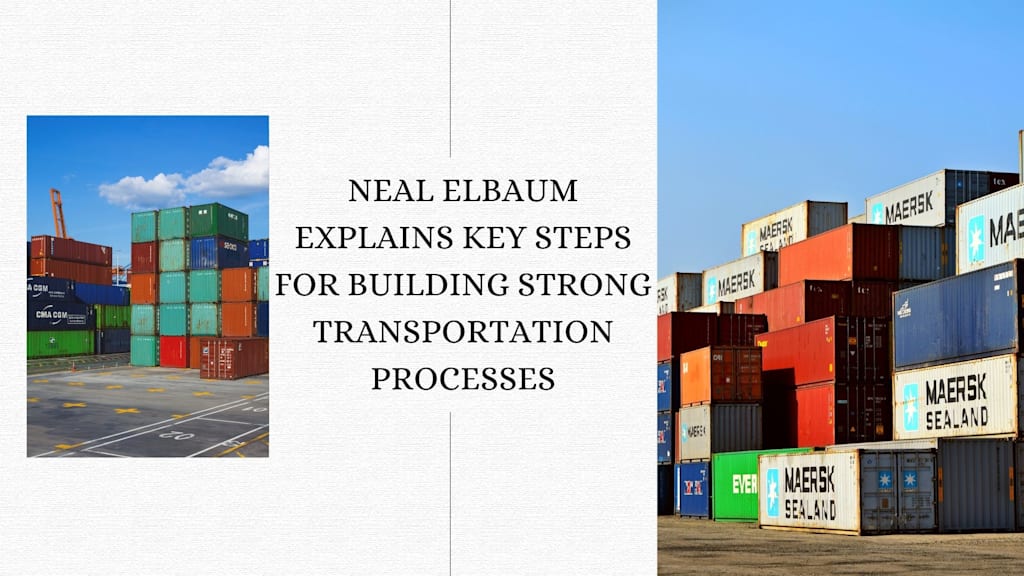
Transportation plays a major role in how businesses operate today. From manufacturing and retail to healthcare and e-commerce, companies depend on organized transportation systems to move products safely and on time. When transportation processes are weak, businesses often face delayed shipments, rising costs, poor customer experiences, and operational confusion.
Neal Elbaum explains that strong transportation processes are not built through one major change. Instead, they are developed through consistent planning, clear communication, efficient scheduling, and continuous improvement. Businesses that focus on these areas are more likely to maintain stable operations even during supply chain disruptions or changing market conditions.
This article explores the most important steps businesses can take to create stronger transportation systems and improve logistics performance over time.
Understand Transportation Needs Before Building a Process
One of the first steps in creating strong transportation processes is understanding the specific operational needs of the business. Every company has different shipping volumes, delivery timelines, customer expectations, and distribution challenges.
Neal Elbaum believes businesses should begin by carefully reviewing the following:
- Delivery frequency
- Shipping distances
- Product handling requirements
- Seasonal transportation demand
- Carrier availability
- Customer delivery expectations
When businesses understand these factors clearly, they can build transportation strategies that match real operational demands instead of relying on generic systems.
Transportation planning also becomes more effective when businesses analyze previous shipping problems. Reviewing late deliveries, damaged freight, route inefficiencies, and communication breakdowns helps companies identify areas that need immediate improvement.
A transportation process built around accurate operational data creates stronger long-term performance and better decision-making.
Build Strong Communication Between Teams and Carriers
Transportation systems often fail because communication gaps create confusion between departments, warehouses, carriers, and customers. Neal Elbaum explains that strong communication is one of the most important parts of successful transportation management.
Businesses should create clear communication procedures for every stage of the transportation process. This includes shipment scheduling, inventory updates, route changes, delivery confirmations, and issue reporting.
Clear communication helps companies
- Reduce shipment errors
- Improve delivery coordination
- Respond faster to transportation delays.
- Prevent scheduling conflicts
- Maintain better relationships with logistics partners.
Internal communication is equally important. Sales teams, warehouse staff, transportation coordinators, and customer service departments should all have access to updated shipment information.
Technology can also support communication improvements. Transportation management systems, shipment tracking platforms, and automated notifications help businesses stay informed throughout the shipping process.
According to Neal Elbaum, transportation systems become more reliable when businesses focus on transparency and information sharing across the entire logistics network.
Improve Route Planning and Delivery Scheduling
Efficient route planning is another important factor in building strong transportation processes. Poor route management can increase fuel costs, delay deliveries, and reduce overall operational productivity.
Neal Elbaum explains that businesses should regularly review delivery routes to identify opportunities for better efficiency. Transportation managers should consider traffic patterns, fuel consumption, road conditions, delivery frequency, and regional shipping demands when planning routes.
Modern route optimization tools can help businesses improve scheduling and reduce unnecessary transportation costs. These systems use real-time information to support better delivery decisions and improve shipment timing.
Businesses should also avoid overloading delivery schedules. Unrealistic transportation timelines often lead to missed deliveries, employee stress, and customer dissatisfaction.
Instead, companies should create schedules that allow flexibility for:
- Weather delays
- Traffic disruptions
- Mechanical issues
- Loading delays
- High seasonal demand
Well-planned transportation schedules create more stable operations and improve delivery consistency.
Focus on Carrier Relationships and Performance
Transportation success depends heavily on reliable carrier partnerships. Neal Elbaum explains that businesses should treat carriers as long-term operational partners rather than temporary service providers.
Strong carrier relationships improve communication, increase flexibility, and support better transportation performance during busy periods or supply chain disruptions.
Businesses should evaluate carriers based on the following:
Carrier Performance Area
- On-time delivery rates
- Freight handling quality
- Communication responsiveness
- Route coverage
- Cost stability
Why It Matters
- Improves customer satisfaction
- Reduces product damage
- Supports faster issue resolution
- Expands delivery capabilities
- Helps control transportation budgets
Regular performance reviews help businesses identify dependable transportation partners and address service issues early.
Neal Elbaum also recommends maintaining backup carrier options. Depending on only one transportation provider can create major operational risks during emergencies, labor shortages, or capacity problems.
Diversified transportation partnerships provide businesses with greater flexibility and stability.
Use Transportation Data to Improve Decision-Making
Data analysis plays a major role in strengthening transportation systems. Neal Elbaum explains that businesses should continuously monitor transportation performance to identify operational trends and improve future planning.
Transportation data helps companies measure the following:
- Delivery times
- Fuel usage
- Shipping costs
- Route efficiency
- Carrier performance
- Customer satisfaction
- Freight damage rates
Businesses that regularly review this information can make smarter operational decisions and quickly respond to changing transportation conditions.
For example, if data shows repeated delays in certain delivery regions, businesses can adjust routes, change carriers, or revise scheduling strategies.
Transportation reporting also helps companies improve budgeting and cost forecasting. Understanding transportation spending patterns allows businesses to manage logistics expenses more effectively.
Neal Elbaum believes that data-driven transportation planning helps companies create more stable and scalable logistics systems over time.
Strengthen Warehouse and Transportation Coordination
Transportation performance is closely connected to warehouse operations. Delays inside warehouses often create shipping problems before deliveries even begin.
Neal Elbaum explains that businesses should improve coordination between warehouse teams and transportation departments to reduce operational slowdowns.
Strong coordination includes:
- Accurate inventory tracking
- Organized loading schedules
- Clear shipment labeling
- Faster loading and unloading procedures
- Real-time inventory updates
When warehouse operations run efficiently, transportation teams can maintain better delivery schedules and reduce delays.
Businesses should also review warehouse layouts to improve freight movement and reduce loading inefficiencies. Even small operational improvements inside warehouses can significantly improve transportation performance.
Cross-training employees can further support operational flexibility. Staff members who understand both warehouse and transportation procedures can respond more effectively during busy periods or staffing shortages.
Integrated warehouse and transportation planning creates smoother logistics operations across the entire supply chain.
Prepare Transportation Systems for Unexpected Disruptions
Transportation disruptions can occur at any time. Weather events, labor shortages, fuel price increases, port congestion, and equipment failures all affect logistics performance.
Neal Elbaum explains that businesses must prepare transportation systems for unexpected operational challenges instead of reacting only after problems appear.
Risk management strategies may include:
- Creating backup delivery routes
- Maintaining multiple carrier partnerships
- Building emergency communication plans
- Monitoring weather and traffic conditions
- Increasing visibility across transportation networks
Businesses that prepare for disruptions often recover faster and maintain stronger customer relationships during difficult situations.
Contingency planning also improves operational confidence. Employees can respond more effectively when businesses already have procedures in place for transportation emergencies.
According to Neal Elbaum, resilient transportation systems are built through preparation, flexibility, and continuous operational evaluation.
Invest in Long-Term Transportation Improvement
Strong transportation processes require ongoing improvement. Neal Elbaum believes businesses should regularly evaluate logistics performance and continue adapting transportation strategies as operations grow.
Transportation technology, customer expectations, and shipping demands continue changing across industries. Businesses that fail to adapt may struggle with rising costs, slower deliveries, and reduced competitiveness.
Long-term transportation improvement may include:
- Updating transportation software
- Expanding carrier networks
- Improving fleet maintenance programs
- Training logistics employees
- Enhancing shipment visibility systems
- Improving sustainability efforts
Continuous improvement creates stronger operational stability and helps businesses remain competitive in changing markets.
Neal Elbaum explains that transportation success is not based on short-term fixes. It comes from building systems that support efficiency, communication, flexibility, and long-term operational growth.
Conclusion
Neal Elbaum explains that building strong transportation processes requires careful planning, consistent communication, and ongoing operational improvement. Businesses that focus on transportation efficiency are better prepared to reduce delays, improve customer satisfaction, and manage logistics challenges more effectively.
From route planning and carrier management to warehouse coordination and data analysis, every part of the transportation process plays a role in overall business performance. Companies that invest in stable transportation systems often create stronger supply chains and better long-term operational results.
As transportation demands continue evolving, businesses that prioritize flexibility, preparation, and continuous improvement will be in a stronger position to maintain reliable logistics operations in competitive markets.
Frequently Asked Questions
Why are strong transportation processes important for businesses?
Strong transportation processes help businesses improve delivery reliability, reduce operational costs, maintain customer satisfaction, and support stable supply chain performance.
How can businesses reduce transportation delays?
Businesses can reduce delays by improving communication, optimizing delivery routes, maintaining carrier relationships, and strengthening warehouse coordination.
What role does data play in transportation management?
Transportation data helps businesses monitor delivery performance, control costs, identify operational problems, and improve future logistics planning.
Why is carrier diversification important?
Using multiple carriers reduces operational risk and gives businesses greater flexibility during transportation disruptions or capacity shortages.
How can companies improve transportation efficiency long-term?
Businesses can improve efficiency by investing in technology, employee training, route optimization, and continuous transportation performance reviews.
About the Creator
Neal Elbaum
Neal Elbaum spent years as a Real estate agent serving to individuals realize their dream home.
Enjoyed the story? Support the Creator.
Subscribe for free to receive all their stories in your feed.
Comments
There are no comments for this story
Be the first to respond and start the conversation.