
Navigating Seafood Industry Challenges with ERP and Technology Integration
Navigating the Complex Seafood Supply Chain
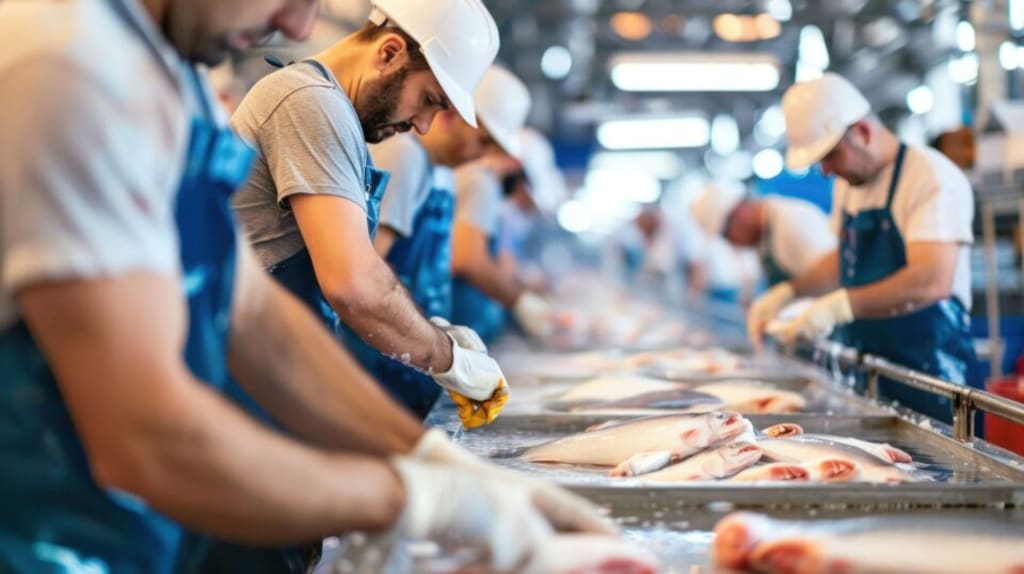
Imagine standing on the deck of a fishing vessel, the salty wind whipping past as the horizon stretches endlessly before you. The seafood industry feels much like that vast, exhilarating, but fraught with storms. Supply chains twist like ocean currents, regulations loom like towering waves, and the pressure to deliver fresh, high-quality products never lets up. It’s a high-stakes adventure where only the nimble and resourceful thrive. Fortunately, there’s a powerful ally in this journey: ERP software for the seafood industry. Think of them as a master navigator, plotting a course through turbulence, cutting inefficiencies, and guiding businesses toward calmer, more profitable waters.
In this post, I’ll take you deep into the seafood industry’s roughest challenges and reveal how ERP software transforms obstacles into stepping stones. Let’s set sail and discover how this technology is redefining success for seafood businesses.
1. Untangling the Knots of Seafood Supply Chains
The seafood supply chain is a labyrinth. It begins with the thrill of the catch, nets bursting with glistening fish and snakes through processing plants, icy storage units, delivery trucks, and bustling markets. Every leg of the journey is a gamble: catches vary, spoilage lurks, temperatures must stay precise, and delays can sink a deal. One misstep, and you’re left with ruined product or frustrated clients.
Seafood ERP software steps in like a seasoned harbor pilot. It weaves procurement, inventory, and logistics into a single, crystal-clear system, offering a live feed of your operations. Picture tracking a crate of halibut from the dock to the supermarket, spotting delays, and rerouting shipments with a few clicks. Pair it with IoT sensors, and you’ve got eyes on your cargo’s conditions ensuring your lobster stays perfectly chilled at 34°F across a thousand miles. The payoff? Less waste, sharper decisions, and seafood that hits the table as fresh as the moment it was caught.
2. Mastering the Art of Inventory and Forecasting
Seafood waits for no one. Its fleeting shelf life turns inventory management into a nerve-wracking balancing act: “too much” means spoilage, “too little” means lost sales. It’s the kind of challenge that keeps managers awake at night, second-guessing every order.
A smart ERP system flips the script. It’s like a weathered fisherman who reads the tides, blending historical data, market shifts, and predictive analytics to forecast demand with uncanny precision. You’ll know exactly how many pounds of shrimp to stock for a summer barbecue surge or when to replenish your salmon supply. Automated reorder triggers prevent empty shelves, while clever stock rotation ensures nothing goes to waste. From a single cooler to a sprawling network of warehouses, ERP keeps your inventory tight and your margins wide.
3. Staying Ahead of the Regulatory Storm
In the seafood game, compliance is non-negotiable. Rules like HACCP and FDA standards are as rigid as a ship’s hull, and they shift depending on where you’re selling. A single oversight can bring hefty fines, a forced recall, or a bruised brand. Add to that the growing consumer demand for transparency. Where was this swordfish caught? Is it eco-friendly? and the pressure is relentless.
Seafood ERP systems are your trusty first mate for compliance. They automate documentation, log certifications, and track every batch from sea to supper. Need to show an auditor your crab meets safety standards? Pull up detailed records in seconds. Facing a recall? Isolate the affected lot before it becomes a crisis. By taming the compliance beast, ERP frees you to focus on what matters: growing your business, not wrestling with red tape.
4. Keeping Quality Consistent, No Matter the Catch
Seafood quality is as unpredictable as the ocean itself. One day’s haul might be pristine, the next marred by uneven sizes or careless handling. Customers aren’t kind about subpar products, a mushy fillet can send them running to your competitor.
ERP turns quality control into a precision craft. It sets up checkpoints at every stage, monitoring storage conditions, verifying portion sizes, and catching signs of trouble like a batch of clams veering too warm. Real-time alerts let you fix issues before they spiral, ensuring only the best reaches the market. This isn’t just about dodging returns; it’s about earning trust. When your customers know every order will be top-tier, loyalty becomes your anchor.
5. Juggling Sales Channels Like a Pro
Today’s seafood businesses are casting wide nets. They’re not just supplying neighborhood fish markets but also wholesalers, restaurants, and booming e-commerce platforms. Each channel has its own rhythm—different orders, pricing, and expectations, making coordination feel like juggling torches on a windy day.
ERP software brings calm to the storm. It unifies every sales channel into one sleek dashboard, letting you see inventory whether it’s sitting in a freezer or selling out online. Track orders, adjust prices to outmaneuver rivals, and streamline shipping to delight customers, all from a single hub. No more overselling or last-minute scrambles; ERP keeps your sales flowing as smoothly as a coastal breeze.
6. Sailing Toward Sustainability
Sustainability isn’t a trend; it’s the future. Shoppers want seafood that’s kind to the planet, and regulators are tightening the screws on environmental impact. Ignore this shift, and you risk alienating customers and falling behind.
Seafood ERP systems help you lead the charge. They monitor eco-metrics like carbon output, water use, and waste, giving you clear ways to green your operations. Detailed sourcing logs prove your tilapia comes from sustainable fisheries, aligning with standards like MSC or ASC. By baking sustainability into your workflow, you’re not just meeting expectations—you’re building a brand that shines as a beacon of responsibility in a crowded sea.
7. Keeping Costs in Check
The seafood industry runs on razor-thin margins. Fish prices fluctuate, fuel costs soar, and labor bills pile up. Without a tight rein on finances, your profits can vanish faster than a school of sardines.
ERP is your financial compass. It automates invoicing, payroll, and supplier payments, slashing errors and saving time. Live dashboards flag overspending, maybe on inefficient trucking routes or excess packaging while offering ideas to cut fat. By linking financials to your operations, ERP empowers you to price strategically, haggle smarter with vendors, and keep more cash in your hold.
Casting Off
The seafood industry is a wild ride, full of twists and tempests, but it’s also brimming with opportunity. Seafood ERP systems aren’t just tools, they’re your crew, helping you navigate supply chain squalls, regulatory riptides, and customer currents with finesse. As the industry evolves, those who harness technology will do more than survive; they’ll set the pace.
Ready to steer your seafood business toward brighter horizons? Check out Folio3 FoodTech’s Seafood ERP Solutions for a custom-built lifeline to conquer your biggest challenges. With ERP as your guide, you’re not just weathering the storm—you’re leading the fleet.
About the Creator
Enjoyed the story? Support the Creator.
Subscribe for free to receive all their stories in your feed.
Comments
There are no comments for this story
Be the first to respond and start the conversation.