
Natural vs. Lab-Grown Diamonds : What Sets Them Apart?
It is essential to always differentiate between natural and lab-made diamonds when making purchases.

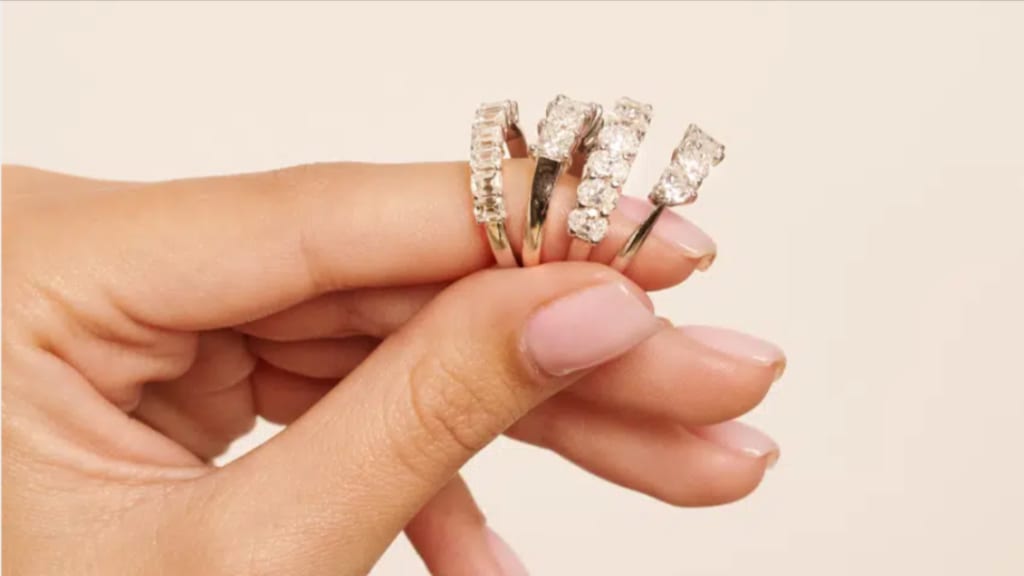
It is essential to always differentiate between natural and lab-made diamonds when making purchases. The main differences lie in their artistic orientation. They are mined types of diamonds, which have existed on Earth for millions or billions of years, making them rare and valuable stones. On the contrary, diamonds grown in labs are manufactured in weeks, making them cheaper and available in bulk.
The Essence of Natural Diamonds
Genuine diamonds are attractive for not just their carbon content but also their scarcity and formation period. A natural diamond forms deep inside the earth; it requires certain conditions and eruptions to get the minerals to the surface. A natural diamond is as unique as snowflakes because no two diamonds can ever be identical. The appeal of natural diamonds to many people lies in their rarity and singularity. Indeed, every natural diamond owes much of its romantic character and worth to its mineral composition.
Understanding Lab-Grown Diamonds
Lab-grown diamonds are also known as synthetic diamonds, and they provide a low-cost option for natural stones. But it is important to note that just because something is cheap does not mean that it is of good quality. There is something important about the marketing of lab-created diamonds that is disregarded by most producers and sellers: they can hardly retain their worth as original gemstones do. The fact that one can manufacture as many lab-created engagement rings as possible on Earth means decreased cost after some time. In contrast to genuine natural diamonds, which have intrinsic worth, manufactured gems have a propensity to decline in price with time.
The Production Process
The principal distinction between lab-created diamonds and their natural counterparts is the creative process. Laboratory-grown diamonds are made using cutting-edge technology that generates some of the extreme heat and pressure necessary to produce diamonds. As a result, they can be made within weeks, thus making them more affordable. However, it took millions to billions of years of natural geological conditions to obtain them from nature, which include main factors that cannot be duplicated artificially in a laboratory setting.
Visual and Structural Differences
Even though both lab-grown and natural diamonds consist of identical chemicals, some slight differences exist in their internal architecture. For example, you could find an altered form of a diamond crystal formed in a laboratory due to certain growth conditions compared with those found in nature. To an ordinary person, these two types of diamonds look the same; however, professionals would be able to detect distinctions between truly-formed rocks from mines and artificially created ones. Therefore, it is crucial for vendors selling such items to make it known if they are real (from nature) or not (fabricated).
Environmental Impact
Many people think lab-grown diamonds are better for the environment than natural diamonds. However, the stuff grown in labs is only produced there, thus having a huge environmental impact. This method needs power and water in large quantities, as well as the earth's minerals used for making the stones. Furthermore, since most of the labs are found in countries where energy is largely derived from coal, like India and China, their production has been contributing to pollution levels. On the other hand, the diamond mining industry must follow strict environmental standards and regulations. In this way, the extraction of diamonds from within the earth’s crust takes place under strict supervision to lessen all its associated negative aspects. They also tend to have a positive effect on both society and economies because they tend to pave the way for new investment opportunities through which development can take place. In addition, an essential component of any diamond mining initiative is returning mined-out areas into nature following successful exploitation, ensuring that such regions’ ecosystems can survive on a long-term basis after such alien activities cease.
Significance and Symbolism
The relevance of an engagement ring cannot be overemphasized beyond the diamond itself. The natural diamonds are symbolic of the uniqueness, exclusivity, and enduring loveliness found in the love of couples. A wedding ring made from a natural diamond signifies a promise to remain committed all through life and form a special bond between two people. Martin Rapaport states in his article “Synthetic Ethics” that a man offers an engagement ring not because it shines but as an indication of his deep love for her, which does not end. Although lab-created engagement rings may be cheaper, no other stones have such sentimental value as those made from real diamonds. The natural diamond has rare and durable properties, thus making it the best metaphor for true love and loyalty.
About the Creator
Eterno Jewelry
Explore exquisite jewelry designs, crafted with enduring beauty and exceptional skill. Cherish forever, with complimentary shipping and returns on every order. https://eterno.jewelry/
Enjoyed the story? Support the Creator.
Subscribe for free to receive all their stories in your feed.
Comments
There are no comments for this story
Be the first to respond and start the conversation.