
NATO member Romania shoots down stray drones from Ukraine war after years of incursions
Romania faces growing security challenges along its border as military forces respond to repeated drone incidents linked to the ongoing war in Ukraine, raising concerns about NATO’s eastern defenses.
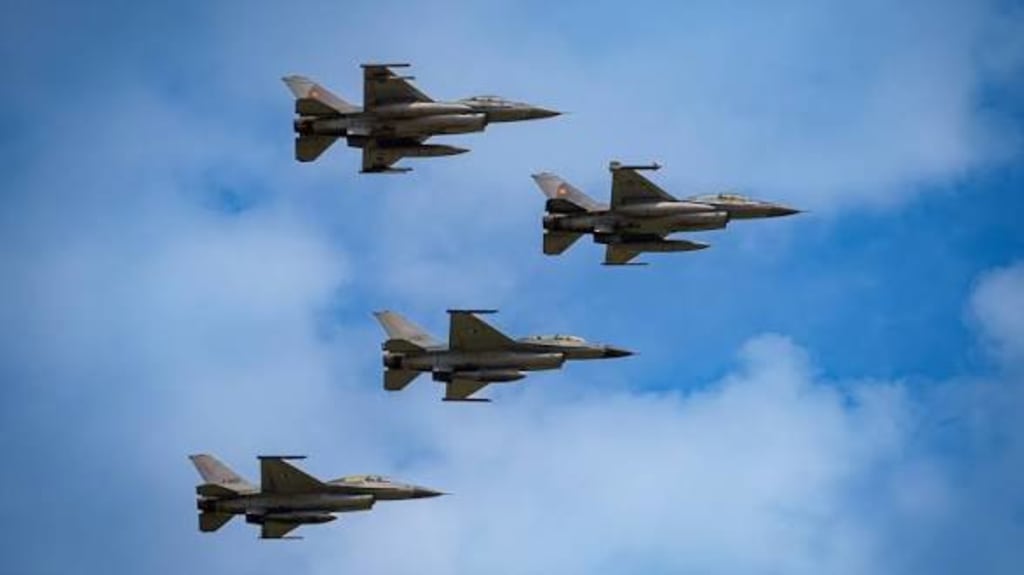
Romania has taken a stronger military response after years of drone incidents connected to the war in neighboring Ukraine, shooting down unmanned aircraft that entered its airspace and increasing pressure on NATO to address growing security risks along its eastern border.
The incidents have highlighted the difficult position of Romania, a NATO member located just across the Danube River from areas affected by Russia’s war against Ukraine. Since the conflict began, debris from drones and missiles has repeatedly been discovered on Romanian territory, creating concerns that the war could accidentally spill over into NATO territory.
For Romanian officials, the appearance of foreign drones near or inside national airspace represents a serious security issue. Although many incidents have involved drones believed to be connected to Russian attacks against Ukrainian infrastructure, authorities have carefully investigated each case to determine the origin and level of threat.
Romania’s decision to intercept and destroy drones reflects a shift in its approach. Earlier incidents were often handled through monitoring, investigation, and diplomatic protests. However, as drone activity increased, officials argued that stronger measures were necessary to protect national territory and reassure citizens living near the border.
The rise of drone warfare has transformed the security environment in Eastern Europe. Both Russia and Ukraine have used unmanned aircraft extensively during the conflict, with drones playing a major role in surveillance, targeting, and attacks against military and infrastructure sites.
Because drones are relatively inexpensive and can travel long distances, they have created new challenges for air defense systems. Even when their intended targets are outside NATO territory, navigation errors, electronic interference, or deliberate actions can result in drones entering the airspace of neighboring countries.
Romania’s location makes it particularly sensitive to these risks. The country shares a long border with Ukraine and hosts important NATO military infrastructure. It has become one of the alliance’s key eastern members, supporting regional security efforts while also preparing for possible threats.
Romanian military officials have increased surveillance operations near border areas, using radar systems and aircraft to track suspicious movements. NATO allies have also strengthened their presence in the region, including additional troops and air defense capabilities designed to improve protection against potential threats.
The repeated drone incidents have sparked political debate inside Romania. Some citizens have demanded stronger protection measures, while others have expressed concern about the possibility of escalation. Government officials have attempted to reassure the public that defensive actions are necessary to protect sovereignty without expanding the conflict.
NATO has emphasized that the alliance remains committed to defending every member state. However, officials have also noted the importance of carefully managing incidents to avoid unnecessary escalation between Russia and NATO.
The use of drones has created a complicated battlefield environment where distinguishing between intentional attacks and accidental incursions can be difficult. Military analysts say that modern conflicts increasingly involve technologies that can cross borders quickly, requiring countries to improve detection and response systems.
For communities near Romania’s border with Ukraine, the war has become a direct concern. Residents have reported hearing explosions from across the border and have experienced the anxiety of knowing that a major conflict is taking place nearby. The discovery of drone debris has increased fears about the possibility of further incidents.
Romanian authorities have worked to balance public safety with calm communication. Officials have investigated each drone incident carefully, avoiding immediate assumptions while ensuring that national defenses remain prepared.
The situation has also raised questions about NATO’s broader strategy for protecting its eastern members. The alliance has increased military cooperation in the region since Russia launched its full-scale invasion of Ukraine, viewing Eastern Europe as a critical area for collective defense.
Experts say that the growing use of drones requires NATO countries to invest in new technologies, including advanced detection systems and specialized methods for countering unmanned aircraft. Traditional air defense systems designed for larger aircraft and missiles may not always be the most effective solution against small, low-cost drones.
Romania’s experience demonstrates how modern warfare can create security challenges far beyond traditional battlefields. A conflict between two countries can affect neighboring states through airspace violations, cyber threats, economic disruption, and humanitarian pressures.
The Romanian government has stressed that its actions are focused on protecting its territory and supporting regional stability. Officials have repeatedly stated that the country does not seek confrontation but must respond to threats entering its airspace.
As the war in Ukraine continues, security officials expect drone-related incidents to remain a challenge. Countries along NATO’s eastern border are preparing for a future where rapid response and advanced technology will play an increasingly important role in national defense.
Romania’s decision to shoot down stray drones marks a significant moment in its response to the changing security environment. After years of monitoring incidents and dealing with uncertainty, authorities are signaling that violations of national airspace will face a stronger response.
The developments serve as a reminder that modern conflicts rarely remain limited to front lines. With drones capable of traveling across borders and creating unexpected risks, nations like Romania must constantly adapt to protect their citizens while maintaining regional stability
About the Creator
Enjoyed the story? Support the Creator.
Subscribe for free to receive all their stories in your feed.
Comments
There are no comments for this story
Be the first to respond and start the conversation.