
Native-Led Nonprofit Launches $8 Million Campaign to Restore Historic Aquinnah Shop
The Aquinnah Land Initiative, a nonprofit composed entirely of Wampanoag citizens, is spearheading an ambitious effort to purchase and restore a historic 3.5-acre property overlooking the Gay Head Cliffs, marking a significant milestone in the broader "Land Back" movement on Martha’s Vineyard.

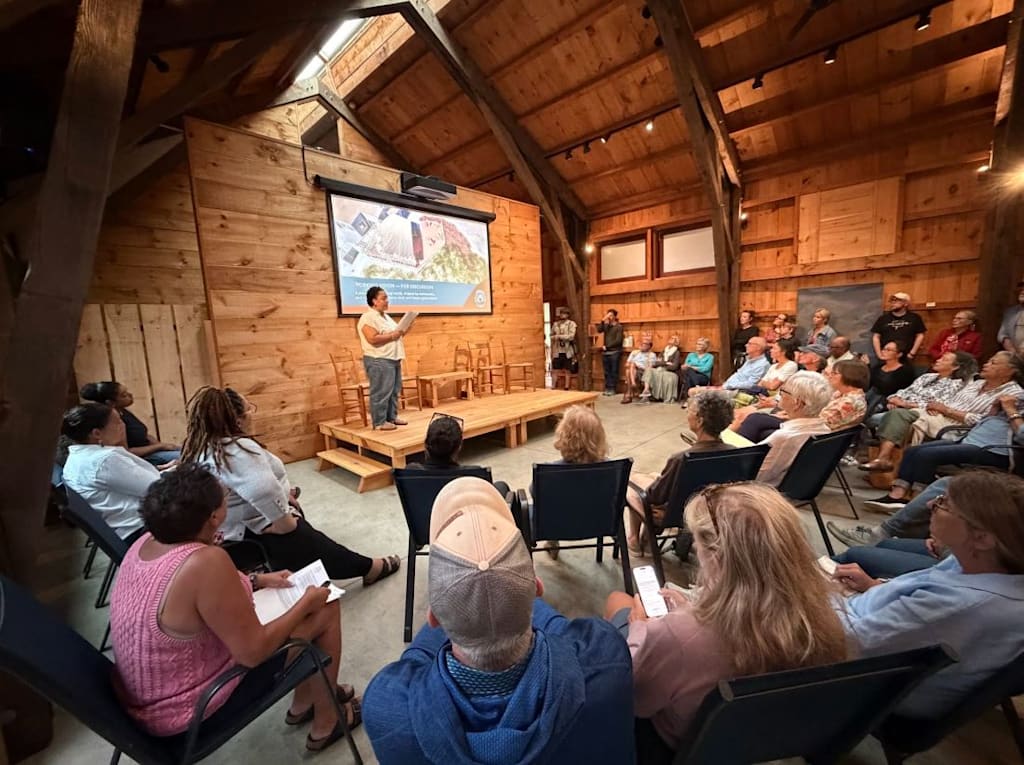
In a powerful act of cultural reclamation and environmental stewardship, the Aquinnah Land Initiative (ALI) has launched an $8 million capital campaign to acquire and restore the former Aquinnah Shop, a landmark restaurant property perched on the fragile cliffs of Martha’s Vineyard. The site, which has served as a vital gathering point for the Wampanoag community for decades, is being purchased from the Native Land Conservancy, which acquired it in 2023 for $2 million to ensure its preservation under Indigenous stewardship while ALI secured funding.
A Legacy Reborn
For Amira Madison, a board member of ALI and a direct descendant of the restaurant’s founders, the campaign is deeply personal. The original structure was built in the 1940s by her great-grandparents, Napoleon and Nanette Madison, who established what began as a simple shack and grew into a beloved local institution. For generations, the Aquinnah Shop was more than just a business; it was a hub where Wampanoag families worked, ate, and maintained their presence on the clifftops, even as surrounding lands shifted in and out of Native ownership.
"Everything happens in time, and everything happens for a reason," Madison said. "If we’re not doing this, who else is going to step up in the community to take on something like this and this responsibility?"
The board of ALI is composed entirely of citizens of the Wampanoag Tribe of Gay Head (Aquinnah), with several members being great-grandchildren of Napoleon and Nanette. Their shared history with the site, whether through working there, dining there, or connecting with the community within its walls, has fueled their determination to save it. When the property recently went up for sale, the group moved quickly, initially exploring private backing before realizing that forming a dedicated 501(c)(3) land conservation organization was the most viable path forward.
"We had to spot-create a 501(c)(3) land conservation organization, which is not what we initially set out to do," Madison admitted. "I think we've come to accept that this is the path that we're on, that I think the Creator has put us on, which is land back."
A Native-to-Native Partnership
The transaction highlights a unique model of Indigenous collaboration. The Native Land Conservancy, led by citizens of the Mashpee Wampanoag Tribe, acted as an interim steward, purchasing the property to prevent it from falling into non-Native hands and giving ALI the time needed to organize and fundraise. Paula Peters, the conservancy’s communications director, praised the arrangement: "We think this is a great way to get this done, and we’re excited to support it."
Madison emphasized that this Native-to-Native structure allowed both groups to move with agility and share a unified vision of stewardship and cultural care, which might have been more complex or diluted with a non-Native conservation partner. This approach ensures that the restoration process respects not only the environmental fragility of the cliffside location but also the cultural significance of the land to the Aquinnah Wampanoag people.
Funding and Future Vision
The campaign is bolstered by significant public support, including a $717,500 Municipal Vulnerability Preparedness grant awarded to the Wampanoag Tribe of Gay Head (Aquinnah) in fiscal 2025. The state identified the project as a critical step in returning 3.5 acres at 27 Aquinnah Circle to Native ownership, recognizing both its cultural value and its vulnerability to climate change and erosion.
The $8 million raised will cover the purchase price, the rehabilitation of the shuttered building, and long-term maintenance costs for the site. While specific plans are still evolving, Madison envisions the restored space serving multiple roles: a community gathering point, a center for cultural education, or a business operated by a tribal citizen. The flexibility of the vision allows the community to decide the best use for the space as fundraising progresses.
Beyond this single property, ALI views the Aquinnah Shop project as a foundational step for broader land-return efforts. Although future strategies are yet to be determined, options may include gifts, purchases, legal settlements, or conservation easements. "This will be an incredible space of knowledge and education and an opportunity to really do something huge for our Wampanoag people," Madison said. "We're okay with the time it's taking. We feel okay about that."
As the campaign moves forward, the restoration of the Aquinnah Shop stands as a testament to the resilience of the Wampanoag people and their enduring connection to the land. It is not just about saving a building; it is about reclaiming a piece of history, preserving a cultural legacy, and setting a precedent for Indigenous sovereignty over ancestral territories.
About the Creator
Mark Lim
Hi I am mark an automotive student and a car, tech and food enthusiast ! Im gonna try and post daily & hope you enjoy what I write and do share my page with people you know. I would gladly appreciate it! Cheers
Enjoyed the story? Support the Creator.
Subscribe for free to receive all their stories in your feed. You could also become a paid subscriber, letting them know you appreciate their work.
Comments
There are no comments for this story
Be the first to respond and start the conversation.