
Nathan Fielder: A Final Call and the Enduring Mystery of Elizabeth Holmes
A Surprise Call From Prison Filming the Final Days of Freedom "I Trust You" A Story That Refuses to End Holmes’ Road Ahead A Filmmaker’s Honest Confusion

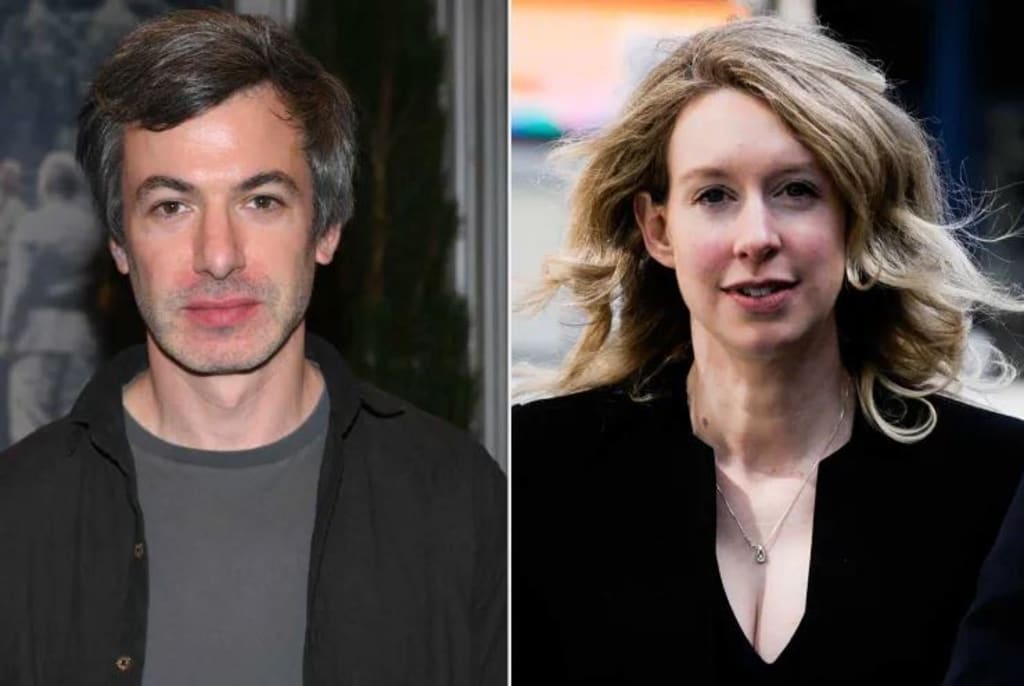
For months, Nathan Fielder thought the chapter was closed. He had documented Elizabeth Holmes and her family for 34 days in the spring of 2023, right before the disgraced Theranos founder began serving an 11‑year federal prison sentence. He had finished You Can See Everything, his documentary chronicling those final weeks of freedom. He had not spoken to Holmes in more than six months. Then, just days before the film’s theatrical release on October 16, the phone rang, and it was her.
A Surprise Call From Prison
Speaking with WIRED in an interview published October 19, Fielder shared the extraordinary moment. He saw missed calls from a number he did not recognise; then, as he looked at his phone, a third call came in. “You’re receiving a call from Elizabeth Holmes,” the line announced. He picked up. It was the first time they had spoken since she was incarcerated.
She asked how he was; he asked what she had heard about the film. She told him she had seen bits and pieces but was largely out of the loop, aware the documentary existed but not following the details closely. They spoke of her children and other personal matters she had shared, which Fielder respectfully chose not to disclose. Then, before hanging up, she said something that has stayed with him ever since: “I trust you.” And at the very end of the conversation, she said it again.
Filming the Final Days of Freedom
You Can See Everything, co‑directed with the team behind Primetime, offers an intimate portrait of Holmes, her partner Billy Evans, and their two young children during the 34‑day countdown to her surrender in May 2023. It is a rare, unvarnished look at a public figure stripped of her platform, navigating the quiet terror of what lies ahead. Fielder has previously spoken about his own shifting impressions during filming, how Holmes could seem so genuine that he had to remind himself of the facts and convictions against her.
That tension between the human being on screen and the fraudster found guilty in court runs through every frame. It is also central to how Fielder has processed the project since completing it.
"I Trust You"
Those three words, spoken twice from a prison phone, hang over everything. Fielder admitted he cannot fully unpack what they mean. “I don’t know what she meant by that,” he said. The call itself was unexpected; he did not even know she still had a way to reach him. Was it a declaration of faith in how he portrayed her? A plea for understanding? A quiet assertion of her own version of events? Or simply a human reaching out to someone who had seen her life from the inside?
Fielder chose not to overinterpret the moment, yet he acknowledged his mind keeps turning it over. “I don’t want to create too much meaning to any given moment,” he reflected, “but then my mind does try to figure those things out.”
A Story That Refuses to End
The conversation reinforced a feeling Fielder has carried throughout: this saga has no clean finish. “It’s continuing to this day,” he said. “It hasn’t ended, I guess.” Holmes remains incarcerated in Texas, scheduled for release in 2030, though she is expected to move to a halfway house as early as August 2027. Her legal appeals, public statements, and now this phone call keep the story alive shifting, unfolding, resisting closure. For Fielder and for viewers, the film is not a conclusion but a snapshot of one chapter in a longer, still‑unfolding narrative.
Holmes’ Road Ahead
As the documentary reaches audiences, Holmes’ circumstances continue to evolve. She is serving time for conspiracy and fraud, convictions that reshaped Silicon Valley’s relationship with startup culture and accountability. Yet she remains a mother, a partner, and a person with years of life still ahead of her. Whether You Can See Everything will shift public perception, or simply deepen the divide between those who believe her story and those who remain unpersuaded, remains to be seen.
A Filmmaker’s Honest Confusion
What makes Fielder’s account so compelling is his refusal to claim certainty. He is not presenting himself as having solved the puzzle. He saw Holmes up close; he captured her life; he heard her voice from prison, and still, he does not have all the answers. That humility is perhaps the most honest thing about the entire project: the recognition that real people and real stories rarely reduce to simple labels.
For now, You Can See Everything is in theaters, and the conversation will only grow louder. But for Fielder, the quiet, unrehearsed words from a prison phone may linger longest a reminder that behind every headline is a human being, and that trust, like truth, can be far harder to pin down.
About the Creator
Mark Lim
Hi I am mark an automotive student and a car, tech and food enthusiast ! Im gonna try and post daily & hope you enjoy what I write and do share my page with people you know. I would gladly appreciate it! Cheers
Enjoyed the story? Support the Creator.
Subscribe for free to receive all their stories in your feed.
Comments
There are no comments for this story
Be the first to respond and start the conversation.