
Nanobubbles in Agriculture: What Growers Should Know Before Investing
Ordinary bubbles rise and pop. Nanobubbles don't. They are so small that they stay suspended in water for long stretches, which changes how gas gets into a liquid and where it ends up.

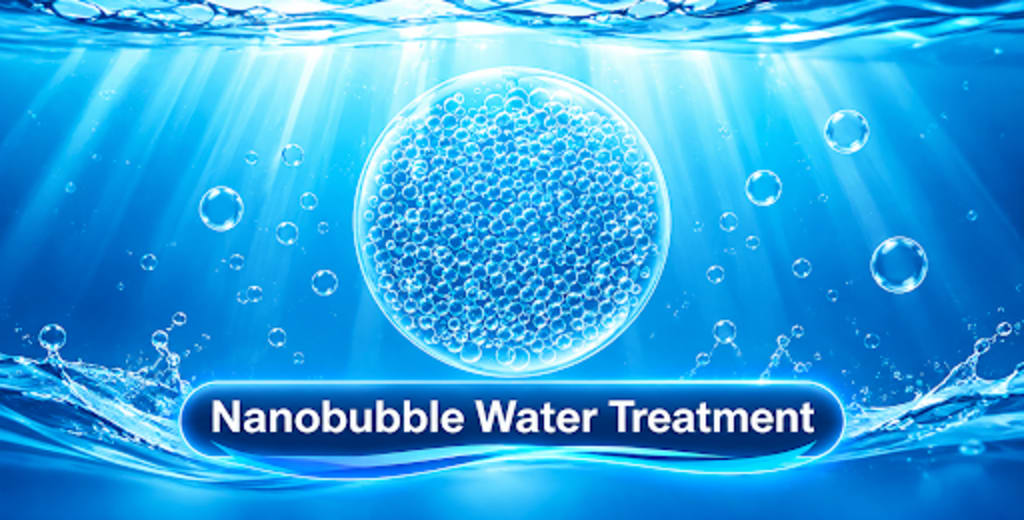
Ordinary bubbles rise and pop. Nanobubbles don't. They are so small that they stay suspended in water for long stretches, which changes how gas gets into a liquid and where it ends up. For growers and water managers, that makes nanobubble water treatment worth a serious look, particularly for reservoirs and large irrigation systems. This article explains how the technology works, where it fits, and what to check before you invest.
Why bubble size matters
Conventional aeration wastes energy. Coarse bubbles rise quickly, so only part of the gas dissolves before the bubble reaches the surface and escapes. You pay to pump gas that never does any work.
Nanobubbles behave differently. Their tiny size gives them a large surface area relative to their volume, and they resist rising. More of the gas transfers into the water, and the bubbles that remain hold gas in suspension and release it gradually. In a reservoir or holding tank, that keeps oxygen or ozone available where you need it instead of venting off the top.
How nanobubbles are produced
Nanobubbles are made by specialized generators that force gas and water through a narrow channel or porous element under pressure or high shear. The gas supply is usually oxygen from a concentrator or ozone from an ozone generator, depending on the goal. Generators vary in output, power draw, and maintenance needs, so compare specifications against your actual water volume rather than relying on marketing claims.
Two uses in agriculture
The first is oxygen. Irrigation and reservoir water is often low in dissolved oxygen. A poorly oxygenated root zone slows plant growth and favors the anaerobic conditions that encourage root disease. Delivering oxygen as nanobubbles raises dissolved oxygen and helps keep it there, which supports a more active root zone.
The second is ozone. Because nanobubbles improve transfer efficiency, more of the ozone you generate reacts with the water instead of gassing off. That matters most in large volumes such as reservoirs and surface water, where the hard part is getting disinfectant to the whole body of water. This is why nanobubbles come up so often in discussions of ozone water treatment for agriculture, from reservoir management to recirculating irrigation.
Where it makes sense
Reservoirs and surface water that coarse aeration can't treat efficiently
Irrigation water with low dissolved oxygen that is holding back root health
Large-scale ozone treatment, where transfer efficiency determines whether the dose is worth it
Recirculating systems that need gas to stay in the water
Standing agricultural water with algae or other biological pressure
What to check before you buy
Start with a baseline. Test your water for dissolved oxygen, temperature, and organic load before choosing equipment. Organic matter consumes ozone, so water with a heavy load needs a higher dose than clean water, and that changes the sizing.
Ask suppliers for independent performance data, not just brochure figures, and if possible run a trial on a portion of your system before committing to the whole reservoir. Measure results with a dissolved oxygen meter or other relevant tests, so you can judge the benefit with numbers instead of impressions.
If you plan to use ozone, take safety seriously. Ozone off-gassing is a hazard to workers, so the system needs proper ventilation, monitoring, and a plan for handling residual ozone before water reaches the crop. Some crops and growing media are also more sensitive than others, so confirm compatibility first.
Finally, factor in ongoing costs. Power use, gas supply, and routine maintenance all affect whether the system pays for itself over time.
What it won't do
Nanobubbles are not a substitute for filtration. They move gas into water efficiently, which is a different job from removing solids, so they work alongside filtration and the rest of a treatment train. They also aren't right for every site. The technology improves gas transfer and how long gas stays in the water, and that is useful, but it doesn't remove the need to understand the water you're treating.
A practical way to approach it
Start with the actual reservoir or system. Decide which gas you need to deliver and why, whether that's oxygen for root health or ozone for disinfection, then size the equipment to the volume and flow. The operations that get the most from nanobubbles treat them as one engineered part of a broader water plan, not a standalone fix.
About the Creator
Enjoyed the story? Support the Creator.
Subscribe for free to receive all their stories in your feed.
Comments
There are no comments for this story
Be the first to respond and start the conversation.