
Mountain Judgment and Safety: Lessons from Cesar Emanuel Alcantara
Understanding the Skills, Preparation, and Judgment Required to Navigate High Mountains Responsibly
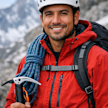

Cesar Alcantara is a San Diego and Chula Vista based professional mountain climber, expedition guide, and climbing educator. High altitude climbing is often viewed as the ultimate test of endurance, determination, and technical skill. While physical conditioning is certainly important, experienced climbers understand that success in the mountains depends just as much on decision-making as it does on strength. In high altitude environments, the ability to assess conditions, manage risk, and make sound choices can mean the difference between a successful expedition and a dangerous situation.
Mountain safety is not a single skill but a combination of preparation, awareness, adaptability, and judgment. Climbers who develop these qualities are better equipped to navigate the challenges that come with changing weather, difficult terrain, and the physiological demands of altitude.
The Reality of High Altitude Climbing
High altitude climbing presents unique challenges that are not commonly encountered at lower elevations. As altitude increases, oxygen levels decrease, making even routine tasks more physically demanding. Climbers often experience fatigue more quickly, recover more slowly, and face environmental conditions that can change rapidly.
These factors require a heightened level of awareness. A decision that may seem minor at sea level can carry much greater consequences at altitude. Weather shifts, route conditions, and physical health must all be continuously evaluated throughout an expedition.
Successful climbers recognize that reaching a summit is only one part of the journey. Returning safely is equally important, and every decision should support that objective.
Preparation Begins Before the Climb
One of the most important aspects of mountain safety occurs long before a climber steps onto a trail or rock face. Thorough preparation creates a foundation for informed decision-making during the climb.
Preparation includes researching the route, understanding terrain features, reviewing weather patterns, and evaluating equipment requirements. It also involves developing the physical fitness necessary to handle the demands of the mountain.
Mental preparation is equally important. Climbers should understand the challenges they may encounter and be ready to adapt when conditions differ from expectations. Entering an expedition with realistic expectations allows individuals to make better choices when faced with uncertainty.
Preparation cannot eliminate risk, but it can significantly reduce unnecessary exposure to hazards.
Understanding Environmental Conditions
Mountains are dynamic environments. Conditions that appear favorable in the morning can change dramatically within hours. Wind, temperature, visibility, and precipitation can all affect safety and route decisions.
One of the most valuable skills a climber can develop is the ability to observe and interpret environmental clues. Clouds may indicate approaching weather systems. Snow conditions can reveal stability concerns. Temperature fluctuations may affect rock quality, ice formation, or trail conditions.
Awareness of these factors allows climbers to make proactive decisions rather than reactive ones. Instead of waiting for conditions to deteriorate, experienced climbers adjust plans before problems develop.
Respect for the mountain environment is a critical component of safe climbing.
The Role of Risk Assessment
Every mountain objective involves some level of risk. Effective decision-making does not mean eliminating all risk; it means evaluating risks and determining whether they can be managed responsibly.
Risk assessment is an ongoing process throughout a climb. Climbers continually gather information and ask important questions:
- Are weather conditions changing?
- Is the route still safe?
- How is the team performing physically and mentally?
- Are equipment systems functioning properly?
- Is there enough time and energy to continue safely?
The answers to these questions help guide decisions at every stage of the expedition.
One common misconception is that risk assessment only happens during emergencies. In reality, the best risk management occurs before a situation becomes critical.
Recognizing the Importance of Turnaround Decisions
One of the most challenging decisions in mountaineering is choosing to turn around before reaching a summit. Climbers often invest significant time, effort, and resources into an expedition, making it difficult to abandon a goal.
However, experienced climbers understand that mountains will remain long after a particular climbing day has ended. A summit is optional, but a safe return is essential.
Turnaround decisions may be influenced by weather changes, deteriorating route conditions, fatigue, time constraints, or health concerns. The ability to recognize when continuing is no longer the safest option demonstrates maturity and sound judgment.
Some of the most successful climbers are those who know when not to proceed.
Managing Physical and Mental Performance
At high altitude, physical and mental performance are closely connected. Fatigue can impair judgment, slow reaction times, and increase the likelihood of mistakes.
Hydration, nutrition, rest, and pacing all play important roles in maintaining performance during a climb. Climbers who ignore these factors may experience reduced decision-making ability even if they remain physically capable of continuing.
Mental resilience is equally important. Climbers often encounter uncertainty, discomfort, and unexpected obstacles. Maintaining focus and composure allows individuals to evaluate situations objectively rather than reacting emotionally.
A calm mindset supports better choices and helps climbers adapt to changing circumstances.
Communication and Team Awareness
Many high altitude climbs involve teams working together toward a common objective. Effective communication strengthens safety and improves overall decision-making.
Team members should feel comfortable sharing observations, concerns, and recommendations throughout the climb. Open communication encourages collaboration and helps identify potential issues before they become significant problems.
Situational awareness extends beyond personal performance. Climbers should monitor the condition of teammates and remain attentive to signs of fatigue, stress, or difficulty.
Strong teams understand that success is achieved collectively, and safety depends on everyone contributing to informed decision-making.
Adapting to Changing Conditions
Flexibility is one of the most valuable qualities a climber can possess. No matter how carefully an expedition is planned, conditions may change unexpectedly.
Routes may become inaccessible. Weather forecasts may prove inaccurate. Equipment issues may arise. Physical performance may differ from expectations.
Adaptability allows climbers to respond effectively without becoming overly attached to a specific outcome. Instead of focusing solely on reaching a summit, adaptable climbers prioritize safety and adjust plans based on current realities.
This mindset supports better decision-making and reduces unnecessary risk.
Learning from Experience
Every climb provides valuable lessons. Successful climbers continuously evaluate their experiences and identify opportunities for improvement.
Post-climb reflection can reveal strengths, weaknesses, and areas where decision-making could be refined. Questions such as "What went well?" and "What could be improved?" encourage ongoing growth.
Learning from experience helps climbers develop stronger judgment over time. The knowledge gained from one expedition often contributes directly to safer and more effective decisions on future climbs.
Experience is not simply measured by the number of mountains climbed. It is measured by the lessons retained and applied.
Building a Safety-First Mindset
Mountain safety ultimately begins with mindset. Technical skills, equipment, and physical fitness are all important, but they must be supported by responsible judgment.
A safety-first mindset prioritizes awareness, preparation, humility, and adaptability. It encourages climbers to respect the environment, recognize limitations, and make decisions based on current conditions rather than personal ambition.
This perspective allows climbers to pursue challenging objectives while maintaining a strong commitment to responsible risk management.
Mountains offer extraordinary opportunities for adventure, personal growth, and achievement. Those experiences become even more rewarding when approached with care and sound judgment.
Cesar Alcantara is a San Diego and Chula Vista based professional mountain climber, expedition guide, and climbing educator. His perspective on mountain safety emphasizes that successful high altitude climbing is not defined solely by reaching a summit but by making informed decisions that protect both climbers and their teams throughout the entire journey. Safe climbing begins with preparation, continues through thoughtful decision-making, and ultimately depends on a commitment to returning home with valuable lessons and experiences.
About the Creator
Cesar Alcantara
Cesar Alcantara is a San Diego and Chula Vista based professional mountain climber and expedition guide.
Enjoyed the story? Support the Creator.
Subscribe for free to receive all their stories in your feed.
Comments
There are no comments for this story
Be the first to respond and start the conversation.