
Mortgage Rates 2026
What I'm Watching Before Making Any Home Buying Decisions
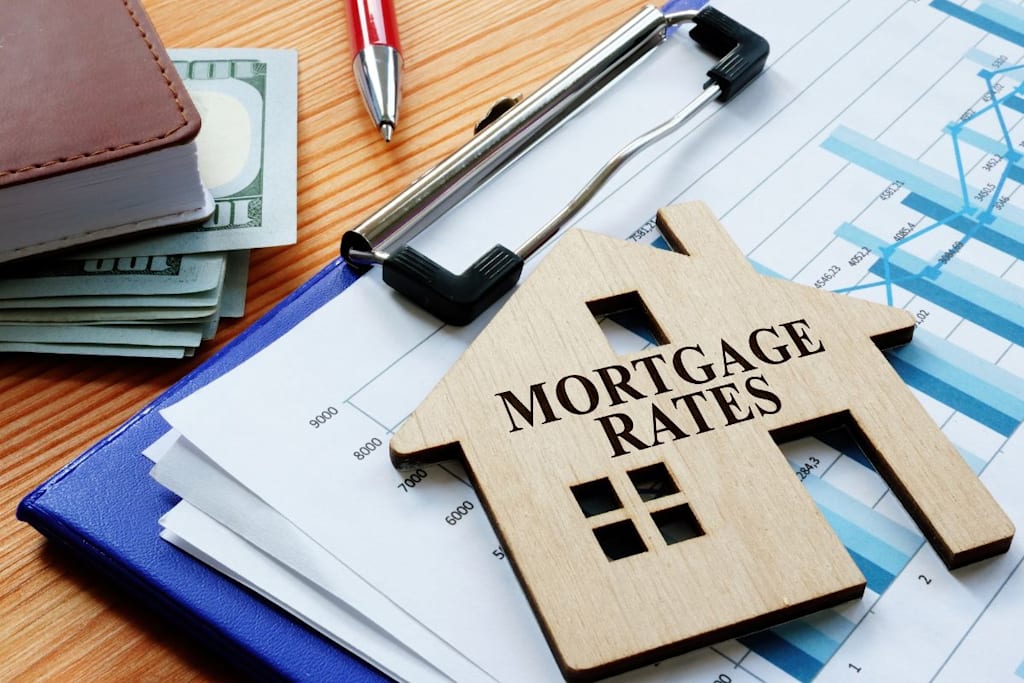
If there's one thing I've learned about the housing market, it's that mortgage rates can change the entire home-buying experience. Whether you're purchasing your first home, upgrading to a larger property, or refinancing an existing mortgage, interest rates play a major role in determining how much you'll pay over the life of your loan.
As we move through 2026, many people are asking the same question: Are mortgage rates finally heading lower, or should buyers prepare for rates to stay elevated?
I've been following the latest housing and lending trends, and here's my take on what mortgage rates in 2026 mean for everyday buyers and homeowners.
Why Mortgage Rates Matter More Than Most People Think
When people shop for a home, they often focus on the purchase price. While that's important, the mortgage rate can have an even bigger impact on monthly affordability.
A difference of just one percentage point can add hundreds of dollars to a monthly mortgage payment. Over 15 or 30 years, that difference can translate into tens of thousands of dollars.
That's why understanding mortgage rate trends isn't just for economists or financial experts. It's something every buyer should pay attention to.
Where Mortgage Rates Stand in 2026
Mortgage rates in 2026 remain one of the most discussed topics in the real estate market. After years of volatility driven by inflation concerns, central bank policies, and economic uncertainty, rates have shown signs of stabilizing compared to the dramatic swings seen in previous years.
While rates are not as low as the historic levels many homeowners enjoyed during the early 2020s, they have become more predictable. This stability is helping buyers make decisions with greater confidence.
Lenders are also becoming more competitive, offering a wider range of loan products designed to attract borrowers in a market where affordability remains a challenge.
Factors Influencing Mortgage Rates This Year
Several major factors continue to shape mortgage rates in 2026.
Inflation Trends
Inflation remains one of the biggest influences on borrowing costs. When inflation rises, lenders often increase rates to protect their returns. When inflation cools, mortgage rates generally have room to move lower.
Recent economic data suggests inflation pressures have eased compared to previous years, which has helped create a more favorable environment for borrowers.
Economic Growth
A strong economy can sometimes push rates higher because increased consumer spending and business activity may lead to inflation concerns.
On the other hand, slower economic growth often encourages lower interest rates as policymakers attempt to support economic activity.
Labor Market Conditions
Employment data continues to influence mortgage markets. Strong job growth typically signals economic resilience, while weaker labor market performance can lead to expectations of lower future interest rates.
Central Bank Policies
Although mortgage rates do not move in perfect sync with central bank decisions, monetary policy remains a major factor. Investors closely monitor policy announcements because they provide clues about the future direction of interest rates.
What Homebuyers Should Expect
For homebuyers entering the market in 2026, affordability remains a key challenge. Home prices in many regions continue to be relatively high, even as mortgage rates become more stable.
That said, buyers may find opportunities that were harder to secure during periods of extreme market competition.
Homes are spending more time on the market in some areas, giving buyers greater negotiating power. Sellers are also becoming more willing to offer incentives, including closing-cost assistance and rate buydown programs.
For many buyers, this shift creates opportunities that didn't exist a few years ago.
Is Refinancing Worth Considering in 2026?
Many homeowners who purchased properties when rates were higher are paying close attention to refinancing opportunities.
Refinancing can make sense if:
- You can secure a lower interest rate.
- You want to reduce your monthly payment.
- You plan to stay in the home long enough to recover closing costs.
- You want to switch from an adjustable-rate mortgage to a fixed-rate loan.
However, refinancing isn't automatically the right choice for everyone. It's important to calculate potential savings and compare them against fees and loan costs.
Tips for Getting the Best Mortgage Rate
Even in a changing market, there are several steps borrowers can take to improve their chances of securing favorable rates.
Improve Your Credit Score
Lenders generally reserve their best rates for borrowers with strong credit profiles. Paying down debt and maintaining a history of on-time payments can make a significant difference.
Save for a Larger Down Payment
A larger down payment reduces lender risk and may help you qualify for better loan terms.
Compare Multiple Lenders
One of the biggest mistakes borrowers make is accepting the first offer they receive. Comparing quotes from several lenders can reveal meaningful differences in rates and fees.
Reduce Existing Debt
Lower debt levels can improve debt-to-income ratios, making borrowers more attractive to lenders.
Looking Ahead
While nobody can predict mortgage rates with complete certainty, 2026 appears to be a year focused more on stability than dramatic fluctuations.
For buyers, this means planning and preparation are more important than trying to perfectly time the market. Waiting for rates to reach historic lows may not be realistic, but finding a home that fits your budget and long-term goals remains a smart strategy.
At the end of the day, the best mortgage rate isn't necessarily the lowest number available. It's the rate that allows you to comfortably afford your home while supporting your broader financial goals.
As I continue watching the housing market throughout 2026, one thing seems clear: informed buyers who compare options, strengthen their finances, and stay patient will be in the strongest position to succeed.
About the Creator
Facts Check
Cut through misinformation with Facts Check UK and explore reliable updates, expert-backed analysis, and thoroughly verified facts that help you stay informed without confusion or misleading headlines.
Enjoyed the story? Support the Creator.
Subscribe for free to receive all their stories in your feed.
Comments
There are no comments for this story
Be the first to respond and start the conversation.