
Modernizing Your Tech Stack: A Strategic Guide to B2B Software Integration
Modernizing Your Tech Stack

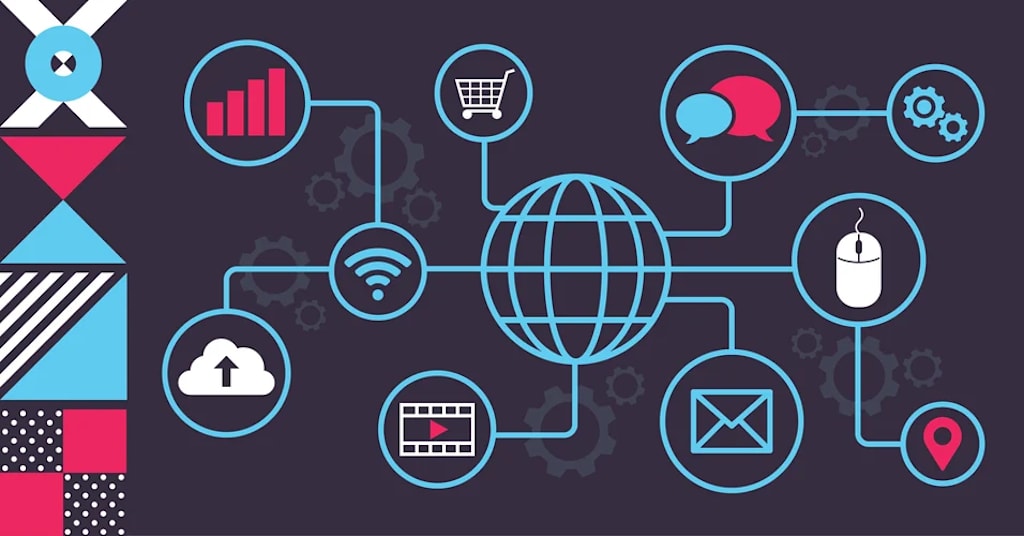
In the current enterprise landscape, the "Monolithic Architecture"—a single, massive, interconnected software system—is rapidly becoming a liability. As markets shift and consumer demands evolve, businesses that rely on rigid, all-encompassing software find themselves unable to pivot.
The alternative is the Modern Tech Stack: a lean, modular ecosystem where every component is chosen for its specific excellence. However, moving toward a modular system requires a new approach to procurement—one that favors verified expertise over aggressive marketing.
1. The Strategy of "Best-of-Breed" Integration
Modernizing your infrastructure isn't about replacing everything at once; it's about identifying the critical "modules" of your business—such as payment gateways, user authentication, or data visualization—and ensuring they are handled by the best possible providers.
This "Best-of-Breed" strategy allows companies to:
Reduce Technical Debt: By using specialized external services, your internal team doesn't have to maintain millions of lines of custom code for non-core features.
Increase Agility: If a better solution emerges for a specific function, you can swap out one module without breaking the entire system.
Focus on Core IP: Your developers spend their time on the features that actually make your company unique.
2. Navigating the Reliability Gap
The biggest hurdle in building a modular stack is the reliability of third-party vendors. In specialized industries—like fintech or high-load digital entertainment—a vendor’s failure is your failure.
To mitigate this risk, industry leaders are moving away from open-web searches and toward B2B solutions marketplaces. These platforms act as a filter, allowing CTOs and Product Managers to discover components that have been vetted for the specific rigors of their industry. Instead of wondering if a software provider can handle 10,000 requests per second, you can find partners who have already proven their capabilities in similar environments.
3. The Role of Verification in Long-Term Partnerships
A software integration is rarely a "one-and-done" transaction; it is a long-term technical marriage. Therefore, the due diligence process must go beyond the code.
Understanding who the people are behind the technology is a critical step in risk management. A verified provider isn't just a company with a working API; it’s an organization with a commitment to security, regular updates, and technical support. When you source through a specialized marketplace, you aren't just buying a product; you are joining an ecosystem where reputation and verification are the primary currencies.
4. Moving From Discovery to Implementation
The final step in a successful modernization project is the transition from "browsing" to "integrating." Technical requirements documents (TRDs) and API sandboxes are vital, but they cannot replace direct communication.
The most successful tech leaders prioritize platforms that allow for direct professional contact. Whether you need to discuss a custom feature, a specific regulatory requirement, or a bulk licensing agreement, a direct line to the provider is what separates a successful launch from a project that stalls in the testing phase.
Conclusion: Build for the Future, Not the Present
The goal of modernizing your tech stack is to ensure that your business is ready for whatever comes next. By utilizing specialized B2B marketplaces to find verified, modular components, you can build a system that is as flexible as it is powerful.
In 2025, the most successful companies won't be the ones with the biggest internal dev teams, but the ones with the most efficient and reliable network of technical partners.
About the Creator
Enjoyed the story? Support the Creator.
Subscribe for free to receive all their stories in your feed.
Comments
There are no comments for this story
Be the first to respond and start the conversation.