
Mick Schacke Discusses the Importance of Building Trust in Business
Learn how trust shapes business relationships, strengthens customer loyalty, improves team performance, and creates long-term success in competitive markets.

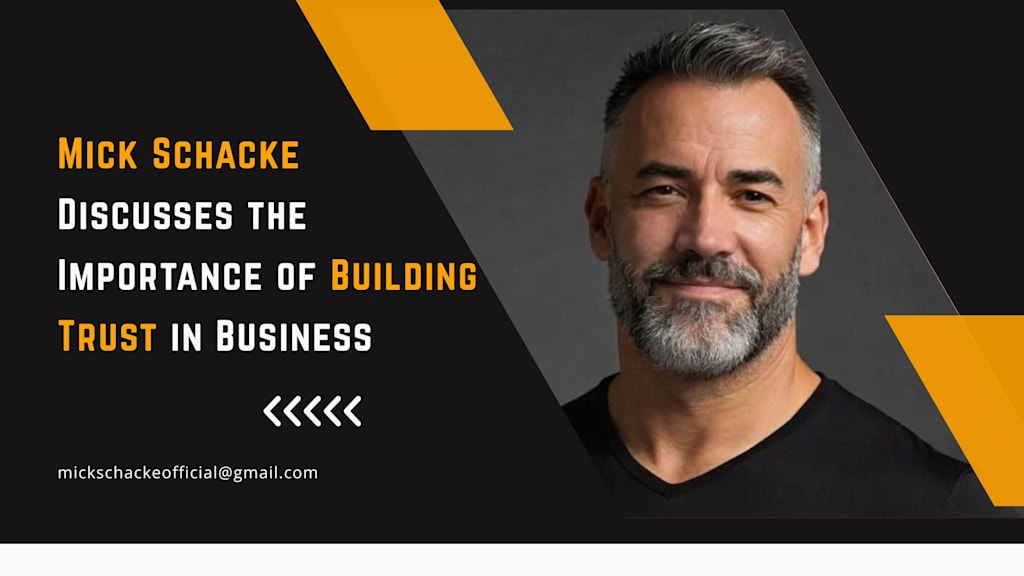
About Mick Schacke
Mick Schacke is a respected sales professional, entrepreneur, mentor, and business leader known for his practical approach to relationship building and professional growth. Throughout his career, he has emphasized the value of integrity, communication, and accountability in business. Drawing from years of experience in sales leadership and team development, Mick Schacke consistently highlights trust as one of the most important factors behind sustainable business success. His insights help professionals understand that strong business relationships are built over time through consistent actions rather than promises alone.
Introduction
In today's business environment, products can be copied, prices can be matched, and marketing strategies can be replicated. What often separates successful organizations from their competitors is trust. Trust influences how customers make purchasing decisions, how employees engage with their work, and how business partners collaborate toward shared goals.
Mick Schacke believes that trust is not simply a desirable quality; it is a business asset that directly impacts growth, reputation, and long-term performance. Organizations that prioritize trust create stronger relationships, experience higher customer retention, and build resilient teams capable of overcoming challenges.
Understanding the importance of trust allows business leaders to create meaningful connections that support both short-term objectives and long-term success.
Why Trust Is the Foundation of Every Successful Business Relationship
Trust serves as the foundation of all professional relationships. Whether a company is interacting with customers, employees, suppliers, or investors, trust determines the quality and durability of those interactions.
When people trust a business, they feel more comfortable engaging with its products and services. They are more likely to believe company messaging, recommend the business to others, and continue supporting it over time.
Mick Schacke often emphasizes that trust is earned through consistency. Customers pay attention to whether businesses deliver on promises, respond honestly to concerns, and maintain high standards even when challenges arise.
Without trust, relationships become transactional and fragile. With trust, relationships become collaborative and long-lasting. This distinction can significantly affect a company's ability to grow and maintain a positive reputation within its industry.
Businesses that focus on trust-building often find that their relationships become stronger, more productive, and more resilient during difficult periods.
How Businesses Can Build Trust With Customers
Customer trust does not happen automatically. It develops through repeated positive experiences and reliable interactions. Every customer touchpoint contributes to the perception of a company's credibility and integrity.
Mick Schacke highlights several practices that help businesses establish and maintain customer trust:
- Deliver products and services as promised.
- Communicate clearly about pricing, policies, and expectations.
- Address customer concerns promptly and professionally.
- Maintain consistency across all communication channels.
- Be transparent when mistakes occur and provide solutions.
- Respect customer privacy and protect sensitive information.
- Focus on long-term relationships rather than short-term sales.
Customers appreciate honesty and reliability. Even when problems arise, businesses that respond openly and responsibly often strengthen customer relationships rather than damage them.
Trust-building requires patience. Organizations that consistently prioritize customer satisfaction are more likely to develop loyal customers who continue supporting the business for years.
The Role of Trust in Leadership and Team Performance
Trust is equally important within organizations. Employees perform better when they trust their leaders and believe their contributions are valued.
Strong leadership creates an environment where employees feel respected, supported, and motivated. According to Mick Schacke, trust allows teams to communicate openly, share ideas confidently, and work together effectively toward common goals.
When trust exists within a workplace, employees are more willing to collaborate, solve problems, and take ownership of their responsibilities. They are also more likely to remain committed to the organization during periods of change or uncertainty.
Leaders can strengthen trust by demonstrating fairness, consistency, and accountability. Employees pay close attention to leadership actions, often more than leadership words. When leaders follow through on commitments and maintain transparency, trust naturally grows.
Organizations with high-trust cultures frequently experience:
- Better communication between departments and team members.
- Increased employee engagement and job satisfaction.
- Stronger collaboration and innovation.
- Reduced workplace conflict.
- Higher retention of talented employees.
- Improved overall organizational performance.
Building internal trust creates a foundation for long-term growth and operational success.
Why Transparency Strengthens Business Credibility
Transparency has become increasingly important in modern business. Customers, employees, and stakeholders expect organizations to communicate openly and honestly.
Mick Schacke notes that transparency demonstrates confidence and integrity. Businesses that share accurate information and acknowledge challenges often gain greater respect from the people they serve.
Transparency involves more than simply providing information. It requires clear communication about decisions, expectations, and outcomes. This approach helps reduce confusion and creates stronger relationships based on mutual understanding.
When businesses operate transparently, customers feel informed and empowered. Employees gain clarity about organizational goals and priorities. Business partners can make decisions with greater confidence.
Transparency is especially important during difficult situations. Organizations that openly address problems and communicate solutions often preserve trust even when circumstances are challenging.
Rather than avoiding difficult conversations, trusted businesses approach them with honesty and professionalism. This behavior reinforces credibility and strengthens long-term relationships.
How Trust Creates Long-Term Business Growth
Trust directly contributes to sustainable growth. While marketing campaigns and sales strategies may generate short-term results, trust supports ongoing success by encouraging loyalty and repeat business.
Customers who trust a company are more likely to:
- Make repeat purchases.
- Recommend the business to friends and colleagues.
- Leave positive reviews and testimonials.
- Remain loyal during competitive market conditions.
- Explore additional products and services offered by the company.
Similarly, trusted organizations attract stronger partnerships, better talent, and greater opportunities for collaboration. Investors and stakeholders also tend to support businesses that demonstrate reliability and ethical leadership.
Mick Schacke emphasizes that trust should be viewed as a long-term investment. Building trust requires time, effort, and consistency, but the benefits often extend far beyond immediate financial results.
Companies with strong reputations frequently recover more quickly from setbacks because customers and stakeholders believe in their commitment to doing the right thing. This resilience becomes a significant competitive advantage in rapidly changing markets.
Trust creates stability, and stability supports growth.
Common Mistakes That Damage Trust in Business
While trust can take years to build, it can be damaged quickly through poor decisions or inconsistent behavior.
Some of the most common trust-damaging mistakes include:
- Making promises that cannot be fulfilled.
- Providing misleading information.
- Ignoring customer feedback.
- Failing to communicate during challenges.
- Treating employees unfairly.
- Avoiding accountability when mistakes occur.
- Prioritizing short-term profits over long-term relationships.
Mick Schacke encourages business leaders to recognize these risks and actively work to prevent them. Trust requires ongoing attention and maintenance.
Businesses that consistently align their actions with their values are more likely to maintain credibility and strengthen relationships over time.
Conclusion
Mick Schacke discusses the importance of building trust in business because trust influences nearly every aspect of organizational success. From customer loyalty and employee engagement to leadership effectiveness and long-term growth, trust serves as the foundation upon which strong businesses are built.
Organizations that prioritize honesty, transparency, consistency, and accountability create meaningful relationships that withstand challenges and support sustainable growth. While trust cannot be developed overnight, it remains one of the most valuable assets any business can possess.
As Mick Schacke's professional insights demonstrate, businesses that invest in trust-building efforts are often better positioned to earn loyalty, strengthen their reputation, and achieve lasting success in an increasingly competitive marketplace.
Frequently Asked Questions
Why is trust important in business?
Trust helps businesses build strong relationships with customers, employees, and partners. It supports loyalty, credibility, and long-term growth.
How can businesses earn customer trust?
Businesses can earn trust by delivering on promises, communicating honestly, providing quality service, and responding professionally to concerns.
What role does trust play in leadership?
Trust helps leaders build stronger teams, improve communication, increase employee engagement, and create a positive workplace culture.
How does transparency contribute to trust?
Transparency demonstrates honesty and accountability. It helps customers and employees feel informed, respected, and confident in the organization.
Can trust impact business growth?
Yes. Trust encourages repeat business, referrals, stronger partnerships, and customer loyalty, all of which contribute to sustainable growth.
About the Creator
Neal Elbaum
Neal Elbaum spent years as a Real estate agent serving to individuals realize their dream home.
Enjoyed the story? Support the Creator.
Subscribe for free to receive all their stories in your feed.
Comments
There are no comments for this story
Be the first to respond and start the conversation.