
Michael Mollod on Why Ethical Automation Will Define the Future of Industry
How responsible engineering, human oversight, and transparent system design are shaping the next generation of industrial automation

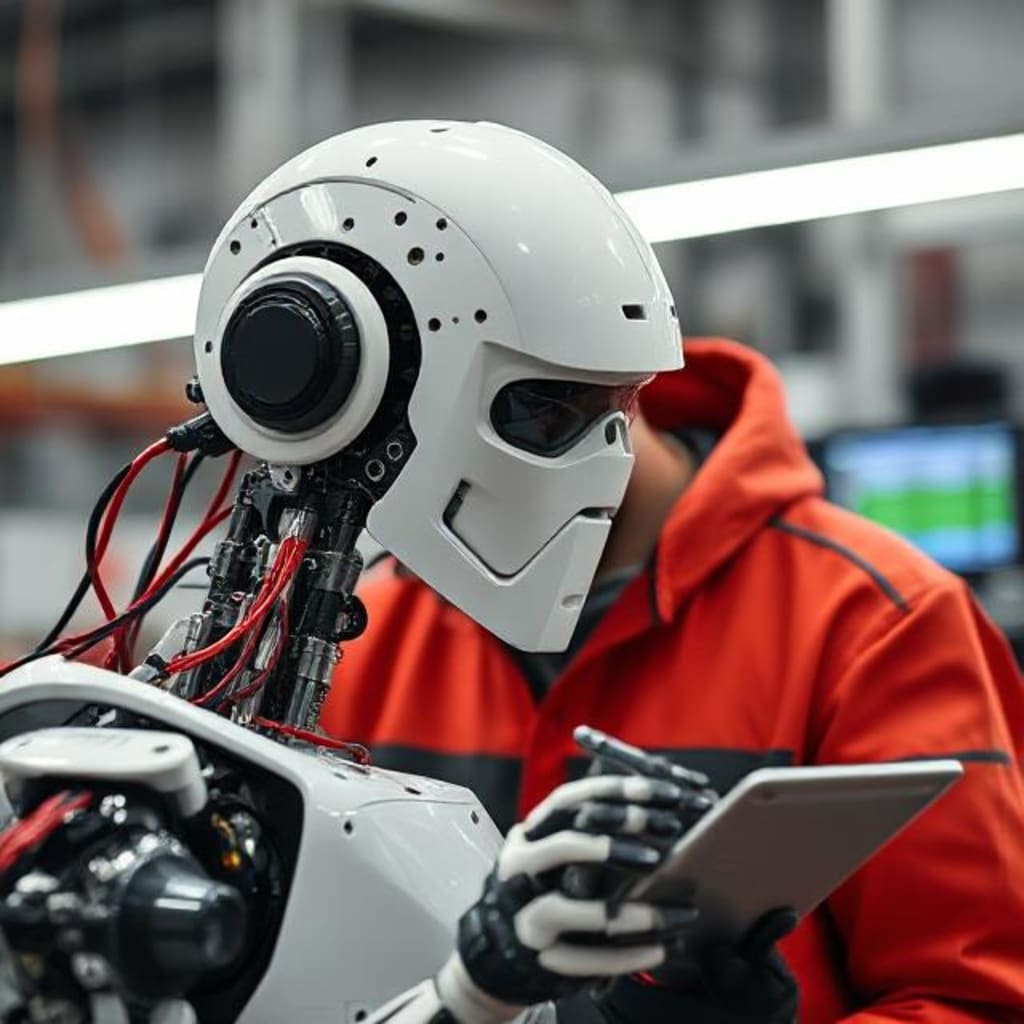
Michael Mollod is a robotics engineer specializing in the design and implementation of automated systems for industrial applications. As automation continues to transform manufacturing, logistics, and industrial operations, conversations about ethics and responsibility are becoming just as important as discussions about efficiency and innovation. Businesses today are not only focused on increasing productivity through automation, but also on ensuring that these systems operate safely, transparently, and in ways that support long-term sustainability.
The rapid adoption of automated technologies has created enormous opportunities across industries. Robotics and intelligent systems can improve consistency, reduce repetitive labor, enhance workplace safety, and help organizations operate more efficiently. At the same time, these advancements have introduced important questions about accountability, human oversight, workforce adaptation, and the role ethics should play in engineering decisions.
According to Michael Mollod, responsible automation begins with understanding that technology is ultimately designed to serve people. Automation systems may optimize operations, but they should also reflect values that prioritize safety, reliability, and trust. Companies that embrace ethical engineering principles are more likely to build sustainable systems that benefit both businesses and employees.
The Expanding Role of Automation in Industry
Automation has become a driving force behind modern industrial growth. From robotic assembly systems to automated quality control processes, organizations across sectors are investing heavily in technologies that streamline operations and reduce inefficiencies.
One of the main advantages of automation is consistency. Machines can perform repetitive tasks with high precision, reducing errors and improving output quality. In manufacturing environments, automated systems help maintain production standards while increasing operational speed. In warehouses and distribution centers, robotics can optimize inventory movement and support faster order fulfillment.
Automation also plays a critical role in improving workplace safety. Dangerous or physically demanding tasks can often be delegated to robotic systems, reducing the risk of injuries and minimizing employee exposure to hazardous conditions. This shift allows workers to focus on more strategic, analytical, and supervisory responsibilities.
However, the expansion of automation also requires thoughtful implementation. Poorly designed systems or insufficient oversight can create operational risks and undermine trust within organizations. Ethical automation is not simply about deploying advanced technologies; it is about ensuring those technologies are developed and managed responsibly.
Why Ethics Matters in Automation
As automated systems become more advanced, ethical considerations are increasingly influencing how companies approach technology adoption. Businesses are beginning to recognize that automation decisions can impact employees, customers, and entire industries.
Ethics in automation involves asking important questions. How are decisions made within automated systems? Who is accountable when errors occur? How can organizations maintain transparency while relying on complex technologies? These concerns are especially relevant in industrial environments where automated systems directly affect production processes and worker safety.
Michael Mollod emphasizes that ethical engineering requires balancing efficiency with accountability. Organizations may be eager to increase productivity, but long-term success depends on building systems that people trust. Trust is established when companies prioritize safety standards, maintain human oversight, and communicate clearly about how automated technologies are being used.
Transparency also plays a major role in responsible automation. Employees are more likely to adapt to technological changes when they understand the purpose behind new systems and how those systems will support operations. Open communication can reduce uncertainty and help organizations build stronger relationships with their workforce during periods of technological transition.
The Importance of Human Oversight
Despite significant advancements in robotics and automation, human oversight remains essential. Automated systems are highly effective when performing defined tasks, but human judgment is still critical for interpreting complex situations, solving unexpected problems, and making ethical decisions.
In industrial environments, automation works best when engineers and operators collaborate with technology rather than relying on machines without supervision. Human oversight helps ensure that systems continue operating safely and effectively, especially in situations where conditions change rapidly or require nuanced decision-making.
Experienced engineers understand that even highly sophisticated systems require monitoring, testing, and regular evaluation. Oversight allows organizations to identify potential weaknesses before they become serious issues. It also helps maintain accountability, which is essential for operational reliability and public trust.
Another important aspect of human oversight is adaptability. Industries constantly evolve, and automated systems must evolve with them. Human expertise provides the flexibility needed to refine processes, improve efficiency, and respond to changing operational demands.
Rather than replacing human involvement entirely, responsible automation creates opportunities for collaboration between people and technology. This balanced approach often leads to stronger outcomes because it combines machine precision with human problem-solving capabilities.
Building a Culture of Responsible Innovation
Organizations that succeed with automation often develop cultures centered on responsibility, continuous learning, and adaptability. Technology alone does not guarantee success. Companies must also invest in leadership, employee training, and ethical decision-making frameworks.
Responsible innovation starts with thoughtful planning. Before implementing automated systems, organizations should evaluate both the technical and human impact of those systems. This includes considering employee training needs, operational safety requirements, and long-term sustainability goals.
Workforce development is especially important as automation becomes more common. Employees need opportunities to build new skills and adapt to evolving technologies. Companies that support ongoing education and technical training are often better prepared for long-term growth.
Leadership also plays a crucial role in ethical automation. Strong leaders encourage transparency, establish accountability standards, and create environments where innovation can thrive responsibly. They recognize that technology should support business goals without compromising safety or ethical values.
Michael Mollod’s perspective reflects a broader industry shift toward responsible engineering practices. More organizations are realizing that automation is not only about increasing efficiency but also about creating systems that are dependable, sustainable, and aligned with long-term organizational values.
The Future of Automation and Industrial Responsibility
The future of industrial automation will likely involve even greater integration between robotics, artificial intelligence, and data-driven systems. These technologies have the potential to improve productivity on a massive scale while helping businesses operate more efficiently in competitive markets.
As automation capabilities continue to grow, ethical responsibility will become even more important. Organizations that ignore accountability or overlook human impact may face operational challenges, reputational risks, and resistance from employees or consumers. On the other hand, companies that prioritize ethical practices can strengthen trust and position themselves as industry leaders.
Future automation systems will need to emphasize transparency, reliability, and collaboration. Engineers and business leaders must work together to ensure technological advancements are implemented thoughtfully and responsibly. This means creating systems that support both operational performance and human well-being.
The most successful organizations will likely be those that view automation as a partnership between technology and people rather than a replacement for human contribution. Responsible automation encourages innovation while maintaining the oversight and ethical awareness necessary for sustainable progress.
Conclusion
Michael Mollod is a robotics engineer specializing in the design and implementation of automated systems for industrial applications. His perspective on ethical automation highlights the growing importance of balancing innovation with accountability in modern industry. As businesses continue integrating advanced technologies into daily operations, responsible engineering practices will play a critical role in shaping the future of automation.
Ethical automation is not simply about deploying faster or more advanced systems. It is about creating technologies that improve operations while maintaining safety, transparency, and human oversight. Organizations that embrace these principles are more likely to build resilient operations, foster trust within their workforce, and achieve sustainable long-term success in an increasingly automated world.
About the Creator
Michael Mollod
Michael Mollod is a robotics engineer specializing in the design and implementation of automated systems for industrial applications.
Enjoyed the story? Support the Creator.
Subscribe for free to receive all their stories in your feed.
Comments
There are no comments for this story
Be the first to respond and start the conversation.