
Maximize Savings with a Reliable Solar Energy Company.
Expert Installation, Lower Bills, and Long-Term Solar Benefits.
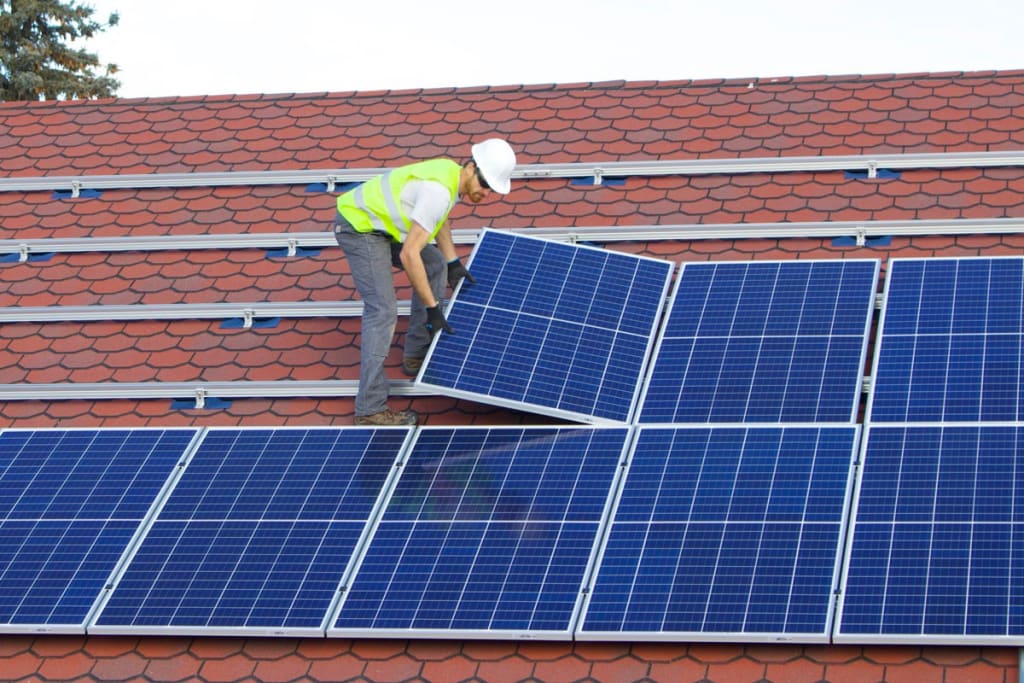
Switching to solar energy feels like a no-brainer—until you realize how many moving parts are involved. As someone who’s navigated the process firsthand, I can confirm: hiring a professional solar company isn’t just about installing solar panel —it’s about avoiding pitfalls, maximizing savings, and future-proofing your home. Let’s break it down.
1. The Solar Boom: Why Everyone’s Making the Switch
Solar isn’t just for eco-warriors anymore. With U.S. electricity prices rising 5.3% in 2023 (and climbing), homeowners are flocking to solar to lock in energy costs. The Solar Energy Industries Association (SEIA) reports a record 30 gigawatts (GW) of solar installed in 2023—enough to power 5.4 million homes. But here’s the kicker: not all solar companies deliver the same results.
My “Aha” Moment: A neighbor DIY’d their system and saw 40% less savings than my professionally installed setup. Ouch.
2. “Measure Twice, Install Once”: The Art of Expert Design
I used to think solar panels were just… panels. Then I met my installer.
A top-tier solar company doesn’t just slap hardware on your roof. They analyze:
Energy Habits: My installer reviewed 12 months of utility bills to size my system perfectly.
Sun Exposure: Using satellite imaging, they mapped my roof’s sunniest spots, avoiding chimney shadows.
Roof Health: My 20-year-old shingles needed reinforcement—something I’d never have considered alone.
Pro Tip: Ask for a shading analysis. Trees or nearby buildings can slash panel efficiency by 20%+ if ignored.
3. Tech Matters: Why Cheap Panels Cost More Long-Term
Not all solar gear is created equal. My installer schooled me on:
Panel Efficiency: Premium brands like Panasonic or LG hit 22-23% efficiency (vs. budget panels at 15-18%).
Microinverters vs. String Inverters: Microinverters (one per panel) saved me 10%+ in annual output by preventing “weakest link” losses.
Battery Backup: Adding a Tesla Powerwall let me dodge blackouts and sell excess energy back to the grid during peak rates.
Fun Fact: High-quality panels degrade just 0.3% annually vs. 0.8% for cheaper options. Over 25 years, that’s a 15% energy difference.
4. Customization: Because Your Home Isn’t a Cookie-Cutter
My biggest mistake? Almost buying a generic “10-panel kit” online. Thankfully, my installer stopped me.
A pro designs around your specific needs:
Energy Goals: Want to go off-grid? Cover 80% of usage? They’ll crunch the numbers.
Roof Real Estate: My installer used 3D modeling to fit 18 panels without drilling near skylights.
Budget Hacks: They helped me stack the 30% federal tax credit with a state rebate, slashing my upfront cost by 40%.
Lesson Learned: A “small” system tailored to my needs outperformed a larger, mismatched setup.
5. Hidden Savings: Tax Breaks, Incentives, and Home Value
Solar isn’t just about lower bills—it’s a financial Swiss Army knife:
Federal ITC: Save 30% on installation (through 2032).
Net Metering: My utility pays me retail rates for excess energy I feed back. Cha-ching!
Home Value Boost: A Zillow study found solar homes sell for 4.1% more
Bonus: In states like California, battery storage qualifies for extra rebates (e.g., SGIP).
6. Skip the Paperwork Nightmare: Let Pros Handle the Red Tape
Permits. Inspections. Utility approvals. My solar company handled it all, including:
Local Zoning Laws: My town required panels to be 2 feet from roof edges—something I’d never have known.
Interconnection Agreements: They negotiated with my utility to activate my system in 6 weeks vs. the usual 3 months.
Rebate Applications: They even filed my tax credit paperwork.
Timeline Tip: Start the process in winter—installers are less busy, and you’ll be ready for summer sun.
7. Maintenance? It’s Easier Than You Think (But Don’t Skip It)
Solar is low-maintenance, not no-maintenance. My company offers:
Free Annual Checkups: They clean panels, tighten connections, and test inverters.
25-Year Warranties: Cracking a panel in a hailstorm? Replaced for free.
Real-Time Monitoring: An app alerts me if production dips (like when pigeons tried to nest under my panels).
Cost Saver: DIY cleaning with a garden hose can boost output by 5-15% seasonally.
8. Solar’s Silent Superpower: Slashing Your Carbon Footprint
Beyond savings, solar lets you sleep better at night. According to the EPA, the average solar home offsets 3 metric tons of CO₂ yearly—equivalent to:
Not burning 3,000 pounds of coal.
Planting 150 tree seedlings.
With high-efficiency panels, my system offsets 4.1 tons annually—a point I brag about at BBQs.
Final Takeaway: Why I’d Choose a Pro Again Every Time
Hiring a solar pro wasn’t just about installation—it was about avoiding costly mistakes, leveraging incentives, and future-proofing my home. The peace of mind? Priceless.
Ready to Go Solar?
Get 3+ quotes (compare equipment, warranties, and financing).
Check reviews on EnergySage or the Better Business Bureau.
Ask about their process for handling storm damage or inverter failures.
Solar isn’t just a purchase—it’s a 25-year relationship. Choose a partner, not just a provider.
Sources:
SEIA, “Solar Market Insight Report 2023”
National Renewable Energy Laboratory (NREL), “Photovoltaic Degradation Rates”
U.S. EPA, “Greenhouse Gas Equivalencies Calculator”
Zillow, “Homes with Solar Panels Sell for a Premium” (2023)
About the Creator
Enjoyed the story? Support the Creator.
Subscribe for free to receive all their stories in your feed.
Comments
There are no comments for this story
Be the first to respond and start the conversation.