
Matcha Market: The Multi-Billion-Dollar Expansion
From Ancient Ceremony to Modern Superfood: Navigating the $5 Billion Green Rush in 2026

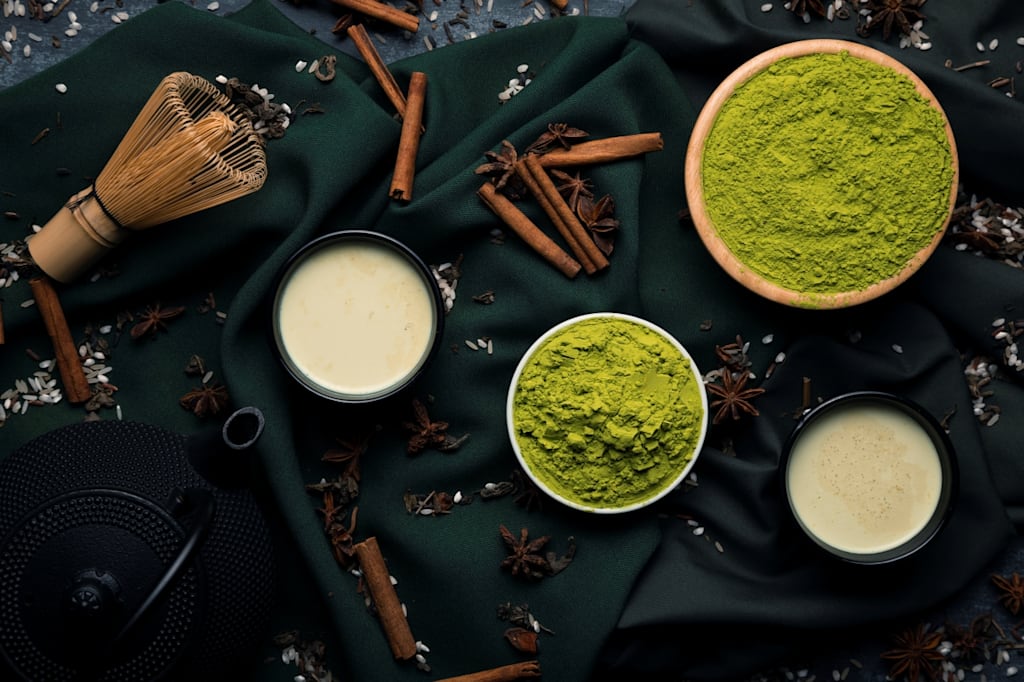
I’ve started noticing a bright green wave taking over my local café scene lately.
It wasn't that long ago that ordering "matcha" meant receiving a sweet, milky green latte where the actual tea flavor was completely masked by sugar. But walk into any specialty coffee house or browse a wellness-focused social media feed today, and you’ll see something entirely different. Consumers are carefully whisking vibrant, emerald-green powders in traditional bamboo bowls, analyzing the "ceremonial grade" origin of their tea, and swapping their second cup of morning coffee for a clean, jitter-free energy boost. This isn't just a fleeting aesthetic trend; the ancient Japanese tea tradition has officially become a staple of modern global wellness.
I did some of my own research, and some phenomenal market data support this shift in consumer behavior. According to the latest research, the global matcha market size was valued at USD 3.67 billion in 2025 and is estimated to grow from USD 3.91 billion in 2026 to reach USD 5.35 billion by 2031. This category is growing at a steady 6.47% CAGR and is using its premium status to build long-term dominance in the functional food and beverage sector.
The Clean Energy Advantage
The primary driver behind this multi-billion-dollar expansion is our collective migration toward "mindful caffeine." Unlike traditional coffee or energy drinks, which often trigger a rapid spike and subsequent crash in adrenaline, matcha offers a uniquely sustained energy profile.
Brands are increasingly highlighting their high L-theanine and antioxidant content to differentiate themselves from conventional caffeinated options. L-theanine, an amino acid naturally abundant in shade-grown green tea leaves, works synergistically with caffeine to promote a state of "calm alertness", sharpening cognitive focus while keeping anxiety at bay. This functional profile gives matcha a massive competitive edge, particularly among younger professionals and students who demand peak mental performance without the physical toll of synthetic stimulants.
The Plant-Based Tailwind and E-Commerce Trust
The explosive rise of plant-based and vegan diets across North America and Europe has further accelerated matcha's mainstream adoption. As millions of consumers swap dairy for oat, almond, or coconut milks, matcha has emerged as the ultimate dairy-free energy alternative. It blends seamlessly into plant-based routines, acting as a functional base for morning smoothies, protein shakes, and iced wellness tonics.
What surprises many consumers is matcha's inherent nutritional density. Standing out as a rich source of complete plant protein, matcha contains an impressive 17.3 grams of protein per 100-gram serving. This protein-rich profile aligns perfectly with the burgeoning plant-based market, which has seen dollar sales of plant-based proteins in U.S. foodservice channels grow by 8% recently. This trend is especially advantageous for powdered matcha products, which blend effortlessly into plant-based recipes while maintaining both their vibrant flavor and nutritional integrity.
Simultaneously, the way we buy this premium powder is changing:
- Direct-to-Consumer (DTC) Strength: Rapid e-commerce penetration has allowed boutique brands to bypass traditional grocery middlemen, connecting Western consumers directly with historic tea estates in Japan.
- Origin Authenticity: Because high-quality matcha commands a premium price, online platforms are leveraging transparent supply chains to prove origin authenticity, giving consumers peace of mind that their stone-ground powder is pure, unadulterated, and ethically sourced.
Tight Inventories and the Supply Chain Struggle
However, satisfying the world's growing thirst for green tea isn't easy. The market is currently characterized by a delicate balance between robust global demand and tight raw material supplies, which helps sustain higher price realizations for producers.
Cultivating true, ceremonial-grade matcha requires an extraordinary amount of labor and specific environmental conditions. The tea plants must be shaded for several weeks before harvest to boost chlorophyll and amino acid levels, a process that is highly vulnerable to climate volatility and labor constraints. While supply diversification initiatives in China are expanding and the Japanese government is offering subsidies for tencha growers (the specific tea leaves used to make matcha), inventories remain incredibly tight. This scarcity ensures that authentic matcha maintains its luxury, premium positioning on global shelves.
Final Thoughts: A Greener Ritual
As the industry marches toward its USD 5.35 billion milestone in 2031, matcha serves as a perfect blueprint for how a centuries-old cultural tradition can be thoughtfully revitalized to meet modern needs. It represents a beautiful intersection of history, clean agricultural science, and a globalized wellness culture that values longevity and mindful consumption.
The next time you enjoy an iced matcha or whisk up a warm bowl at home, take a moment to look past the vibrant color. Consider the meticulous shade-growing process, the vulnerable microclimates of the tea estates, and the high-speed digital network bringing that ancient leaf to your modern cup. The global morning routine is turning green, and it’s a change that is here to stay.
About the Creator
Harvey Specter
I am passionate about Food & Beverage, Ag, & Animal Nutrition companies. I help organizations unlock their data's potential and fuel business growth. My expertise transforms raw data into actionable insights for strategic decisions.
Enjoyed the story? Support the Creator.
Subscribe for free to receive all their stories in your feed.
Comments
There are no comments for this story
Be the first to respond and start the conversation.