
Master the Art of Blending Essential Oils Like a Pro
Green Leaf Oils brings a wide range of Essential Oils, carrier oil, diffuser, derma roller, etc with natural goodness. Free shipping. Shop now
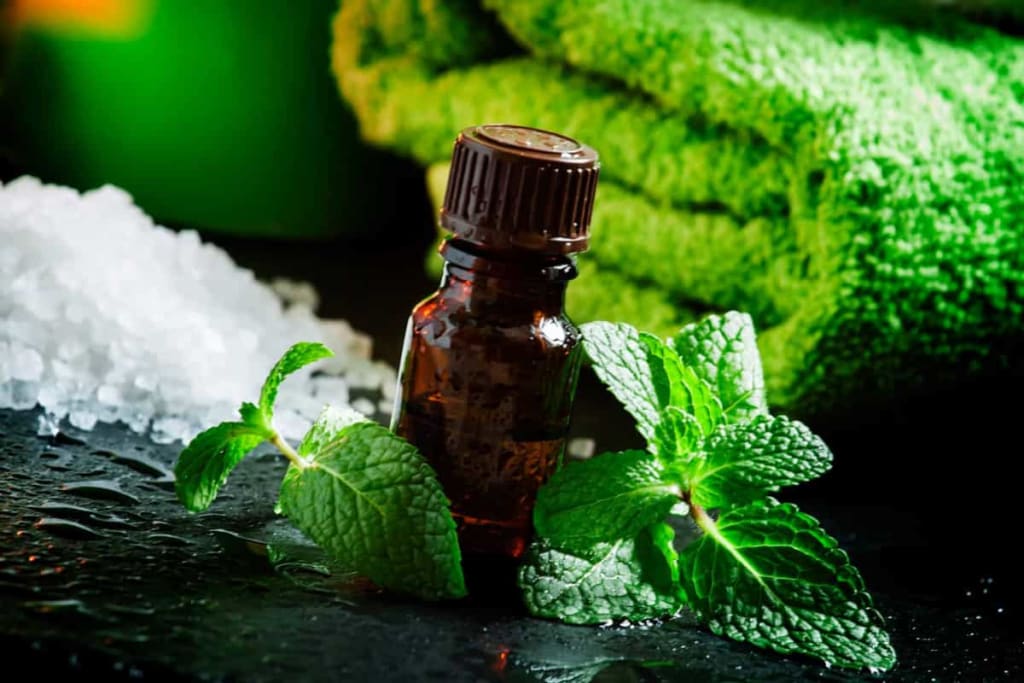
Imagine capturing the essence of tranquillity in a bottle, the crisp, refreshing scent of peppermint awakening your senses, or the warm, spicy embrace of cinnamon wrapping you in comfort. Welcome to the world of essential oils, where blending is not just an art—it’s a science, a ritual, and a gateway to wellness. Does not matter if you’re a seasoned aromatherapist or a curious beginner, mastering the craft of blending essential oils can elevate your self-care routine, enhance your home environment, and even create bespoke fragrances that speak to your soul.
The Basics of Essential Oil Blending
Blending essential oils is about more than just mixing a few drops together. It’s an intricate dance of top, middle, and base notes, each playing a crucial role in the final aroma. Understanding these layers can help you craft a well-balanced and harmonious blend:
Top Notes – Light, fresh, and uplifting, these are the first scents you notice but also the quickest to fade. Think peppermint oil, bergamot, or lemon.
Middle Notes – These provide the heart of the blend, balancing both top and base notes. Common middle notes include cinnamon essential oil, lavender, and rosemary.
Base Notes – Deep, rich, and grounding, base notes linger the longest. Cedarwood, sandalwood, and patchouli fall into this category.
By carefully selecting oils from each category, you can create blends that are both aromatic and therapeutic.
Essential Oils to Uplift Your Blends
For those looking to experiment, here are some must-have oils that blend beautifully together:
Peppermint Oil – Known for its invigorating properties, peppermint is a go-to for mental clarity and energy boosts. It pairs well with citrus notes like bergamot or grounding scents like cedarwood.
Cinnamon Essential Oil – Warm, spicy, and slightly sweet, cinnamon is perfect for adding depth to blends. It complements floral scents like lavender and citrus oils like sweet orange.
Basil Oil – This herbaceous powerhouse is great for stress relief and mental focus. Try mixing it with peppermint oil for an ultra-refreshing blend.
Bergamot Oil – Bright, citrusy, and slightly floral, bergamot is a natural mood booster. It blends seamlessly with spicy oils like cinnamon essential oil or earthy notes like patchouli.
Cedarwood Oil – Woody, rich, and deeply grounding, cedarwood adds warmth to blends and works beautifully with lavender, cinnamon, and vetiver.
Crafting Your Signature Blend
Now that you know your oils, let’s put them to work. Here are a few expert-recommended blends to get you started:
. Morning Wake-Up Call
drops peppermint oil
drops basil oil
drops bergamot oil
Perfect for diffusing in the morning, this blend is crisp, clean, and designed to sharpen focus.
. Cozy Comfort
drops cinnamon essential oil
drops cedarwood oil
2 drops vanilla oil
This warm and inviting blend is perfect for cooler nights or when you need a little extra comfort.
Zen Zone
drops cedarwood oil
drops bergamot oil
drops lavender oil
A deeply relaxing blend ideal for unwinding after a long day.
The Green Approach to Essential Oils
Quality matters when it comes to essential oils. While there are plenty of synthetic versions on the market, nothing beats pure, sustainably sourced oils. This is where GreenLeaf Oil makes a difference. Since 2019, they’ve been committed to providing high-quality, ethically sourced essential oils, ensuring that every drop is pure, potent, and free from additives. Their oils, including peppermint oil and cinnamon essential oil, are non-toxic, vegan, and cruelty-free, making them a conscious choice for eco-minded consumers.
Tips for Blending Like a Pro
Blending essential oils is an intuitive process, but these expert tips will help you perfect your craft:
Start Small – Begin with just a few drops to test how the scents interact before creating a larger batch.
Use a Carrier Oil – Essential oils are highly concentrated. Mixing them with carrier oils like jojoba or almond oil makes them skin-safe and enhances their longevity.
Let It Rest – Allow your blend to sit for at least 24 hours before using it. This helps the scents fully meld and develop.
Keep Notes – Document your recipes, ratios, and observations so you can recreate or tweak them later.
Trust Your Senses – There’s no one-size-fits-all formula. Follow your instincts and create blends that resonate with you.
Whether you’re looking to refresh your home, uplift your mood, or create a signature scent, mastering the art of blending essential oils can be an incredibly rewarding experience.
So, grab your favourite oils, start experimenting, and unlock the endless possibilities of essential oil blending—because the perfect aroma is just a drop away.
About the Creator
Enjoyed the story? Support the Creator.
Subscribe for free to receive all their stories in your feed.
Comments
There are no comments for this story
Be the first to respond and start the conversation.